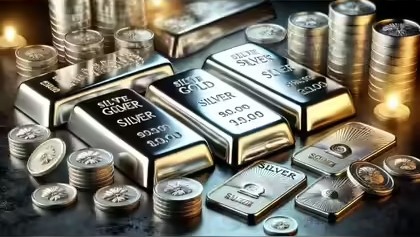
India's silver imports have experienced a severe downturn after the government raised import duties to 15% and shifted the metal to the "restricted" category. The regulatory measures, enforced by the Directorate General of Foreign Trade (DGFT), require mandatory import authorizations, significantly reducing domestic availability and driving local physical silver premiums to six-month highs.
NEW DELHI — India’s silver imports have slumped dramatically in recent months after the Union Government introduced mandatory licensing conditions and increased import duties to curb non-essential capital outflows and prevent trade arbitrage.
The crackdown, executed by the Directorate General of Foreign Trade (DGFT) under the Ministry of Commerce and Industry, moved key silver bar, powder, and grain categories from the "free" import regime to the "restricted" list. Following an initial hike in basic import tariffs from 6% to 15%, inbound silver shipments plummeted by over 80% month-on-month, dropping to approximately $76 million.
Regulatory Tightening and Duty Arbitrage Loopholes
The government's intervention followed a massive surge in silver imports during the preceding fiscal year, when total inbound silver bills reached $12.05 billion—up nearly 150% year-on-year.
According to analysis by the Global Trade Research Initiative (GTRI), raising the standard tariff to 15% created an unintended 8 percentage-point duty gap against the 7% concessional tariff available under the India-UAE Comprehensive Economic Partnership Agreement (CEPA). To prevent bullion traders from rerouting global shipments through Dubai to exploit this tariff advantage, the DGFT issued notifications requiring non-bank agencies to secure specific Import Authorizations before landing consignments at Indian ports.
Key regulatory conditions outlined by the DGFT include:
Restricted Classification: Inbound shipments under ITC (HS) codes covering silver bars, grains, and powders now require prior authorization from the DGFT.
Banking Exceptions: Banks authorized directly by the Reserve Bank of India (RBI) retain permission to import without individual DGFT licenses.
Exporters Safeguarded: Units operating within Special Economic Zones (SEZs), 100% Export-Oriented Units (EOUs), and Advance Authorisation holders servicing export markets remain exempt to protect industrial jewelry manufacturing.
Market Impact and Rising Domestic Premiums
The sudden drop in overseas shipments has tightened local physical supply across major bullion centers like Mumbai, Ahmedabad, and Zaveri Bazaar. With domestic stocks dwindling, local physical silver premiums surged to nearly $6.50 per ounce over international benchmark prices—representing a 10% domestic markup and a sharp reversal from earlier discounts.
While industrial users in solar panel manufacturing and electronics face higher raw material procurement costs, retail investment demand through Silver Exchange Traded Funds (ETFs) has temporarily stabilized as investors take profits amid elevated domestic prices.
Broader Economic and Trade Strategy
The silver import curbs reflect a broader macroeconomic strategy by the Finance Ministry and the Reserve Bank of India to defend the Indian rupee and manage the country's current account deficit. By tightening quantitative controls on precious metals, policymakers aim to reduce pressure on foreign exchange reserves while encouraging domestic recycling and official trade channels.
Official Sources Section
The information detailed in this news report is sourced directly from statutory notifications, trade reports, and regulatory filings issued by:
Quote Section
According to official trade analysis from the Global Trade Research Initiative (GTRI) and policy guidelines issued by the Ministry of Commerce:
"The widening tariff gap between the standard 15% import duty and the preferential rate under the India-UAE CEPA created significant incentive for trade arbitrage. By shifting silver to the restricted category, the government has instituted tighter controls over the quantity and timing of imports to protect foreign exchange reserves and maintain market order."
Why It Matters
For Consumers & Investors: Reduces local physical availability and drives up domestic silver purchase premiums above international spot prices.
For Industrial Manufacturers: Increases input cost pressures for solar module, automotive, and electronics manufacturers relying on imported silver grains and powders.
For Bullion Traders: Mandates strict licensing approvals from the DGFT, restricting unauthorized routing through free-trade partner nations.
Key Facts at a Glance
Import Slump: Monthly silver imports plunged over 80% following new regulatory controls.
Duty Structure: Import tariffs raised from 6% to 15% on precious metals.
Policy Shift: DGFT placed silver bars, powders, and grains into the "restricted" import category.
Market Effect: Physical silver premiums spiked to six-month highs of $6.50 per ounce above global spot rates.
Exemptions: RBI-approved banks and 100% export-oriented manufacturing units retain import access.
Frequently Asked Questions (FAQs)
Why did India restrict silver imports?
The government restricted silver imports to curb massive capital outflows, protect foreign exchange reserves, and close trade loopholes created by tariff differentials under free trade agreements.
What is the current import duty on silver in India?
The combined import duty on silver stands at approximately 15%, following recent tariff revisions.
Can businesses still import silver into India?
Yes, but non-bank importers must obtain a specific Import Authorization from the DGFT. Exemptions apply to RBI-nominated banks and export-oriented units (EOUs/SEZs).
How have the curbs affected domestic silver prices?
The resulting supply shortage has pushed local silver prices higher than international benchmark rates, with physical premiums reaching six-month highs.
Source: Official notifications from the Directorate General of Foreign Trade (DGFT), trade analysis from the Global Trade Research Initiative, and disclosures from the Ministry of Commerce and Industry.