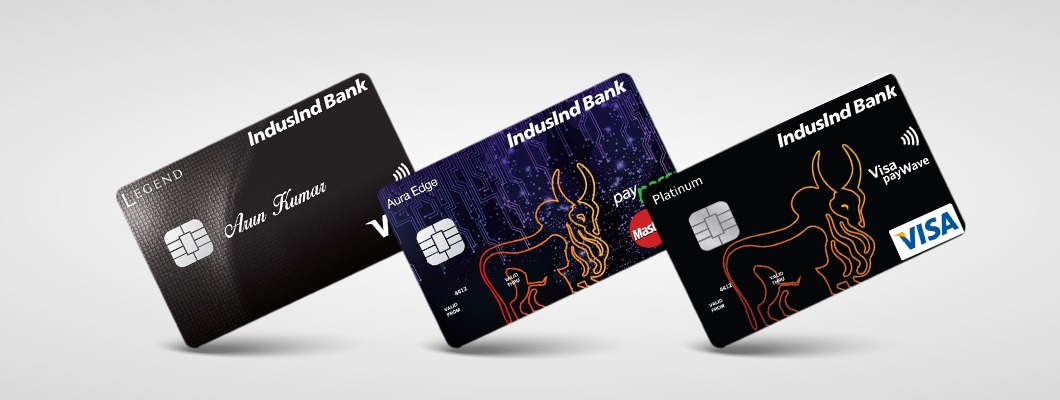
IndusInd Bank will implement major changes to its credit card terms starting 15 June 2026. The modifications include a revised late payment fee structure peaking at ₹1,300, a stricter interest-free reset period requiring two consecutive months of full payments, and new 1% surcharge caps on fuel and transport transactions.
IndusInd Bank has announced an extensive revision to its retail credit card guidelines, implementing structural updates across payment cycles, penalty metrics, and core merchant category parameters. These sweeping changes take effect on 15 June 2026 and alter how late fees, fuel transaction surcharges, and interest-free credit periods apply across almost all card categories. Consumers and retail investors navigating credit products face stricter penalty slabs and revised thresholds for transport and foreign exchange spending.
Revised Late Payment Slabs and Varied Fees
According to the updated Most Important Terms & Conditions (MITC) published by IndusInd Bank, the institution has recalibrated its late payment penalties based on the customer’s total outstanding balance. While an outstanding balance under ₹100 remains free of penalty charges, standard accounts carrying dues between ₹501 and ₹1,000 will face a late fee of ₹500, up from the previously capped rates.
The revised schedule outlines tiered penalty steps starting at ₹100 for low-range defaults and climbing to a maximum of ₹1,300 for outstanding sums exceeding ₹50,000. Super-premium variants, specifically the Pioneer Private, Pioneer Heritage, and Indus Solitaire credit cards, remain fully exempt from the updated late payment fee mechanics.
Stricter Interest Calculation and Reduced Surcharges
The structural updates notably overhaul how interest accumulates on revolving accounts. Under the upcoming 15 June guidelines, if a cardholder chooses to make only a partial bill settlement, interest will apply on the remaining principal as well as all subsequent new purchases.
Furthermore, the bank is tightening its interest-free grace window resetting protocol. Cardholders who revolve their balances can now only regain their interest-free period after clearing their total statement dues in full for two consecutive billing cycles.
Additionally, standard utility thresholds are tightening for merchant spending:
Fuel Transactions: The threshold to avoid extra fees on standard credit cards is falling to ₹30,000 per cycle. Spends above this limit face a 1% fee plus GST. Premium variants like the Tiger Credit Card retain a slightly higher cap of ₹50,000.
Transport Expenses: A newly instituted 1% processing fee plus GST will apply to cumulative transport-related spending (such as railways, cabs, buses, and toll payments) exceeding ₹40,000 within a statement window. Core airline ticketing remains explicitly excluded from this transport penalty cap.
Dynamic Currency Conversion (DCC): Overseas or international terminal transactions using native currencies will trigger an explicit mark-up fee of 1% to 2% plus GST, calculated directly by card variant.
Official Regulatory Guidance
"Cardholders are advised that making only the minimum payment every month will result in interest being levied on all subsequent transactions from the transaction date itself. Effective 15th June 2026, the updated schedules for late payment penalties and category caps will be systematically applied to monthly billing cycles."
— IndusInd Bank Card Services Division
Why It Matters
The widespread adjustments by IndusInd Bank match a broader national trend where banking institutions are systematically tightening unsecured credit terms to protect margins amid evolving central directives. For retail consumers, the practical implication is immediate: failure to clear complete monthly statements now incurs significantly higher compounding costs. For high-frequency travelers and regular transport users, tracking monthly statement cycle thresholds becomes critical to avoiding cascading 1% transactional penalties.
Key Facts at a Glance
Effective Date: The revised fee architecture takes effect across India starting 15 June 2026.
Late Fee Cap: Maximum late payment penalty is established at ₹1,300 for balances over ₹50,000.
Interest Grace Reset: Restoring a card’s interest-free period now requires full statement clearing for two consecutive months.
Fuel Caps Lowered: The standard 1% surcharge waiver threshold drops from ₹50,000 down to ₹30,000 per statement cycle.
Transport Levy: A new 1% platform fee is levied on non-airline transport transactions crossing ₹40,000.
Frequently Asked Questions
What are the new late payment charges for IndusInd Bank credit cards?
Starting 15 June 2026, late fees are tier-based: nil for amounts under ₹100, ₹500 for balances between ₹501 and ₹1,000, and scaling up to a maximum penalty of ₹1,300 for outstanding statement dues exceeding ₹50,000.
How does the new interest-free reset rule work?
Previously, clearing your total dues in full immediately restored your interest-free grace period for the next month. Under the new rule, you must pay your total balance fully and on time for two consecutive billing cycles to reset the interest-free period.
Are any specific credit cards exempt from these fuel and transport fees?
Yes. Ultra-premium cards, including the Pioneer Private, Pioneer Heritage, and Indus Solitaire credit card variants, remain exempt from the revised late payment scales, fuel transaction caps, and certain domestic merchant fee limits.
Source: Official credit card policy updates filed by IndusInd Bank, operational data tracking from the National Stock Exchange of India (NSE), and monetary guidelines archive from the Reserve Bank of India (RBI).