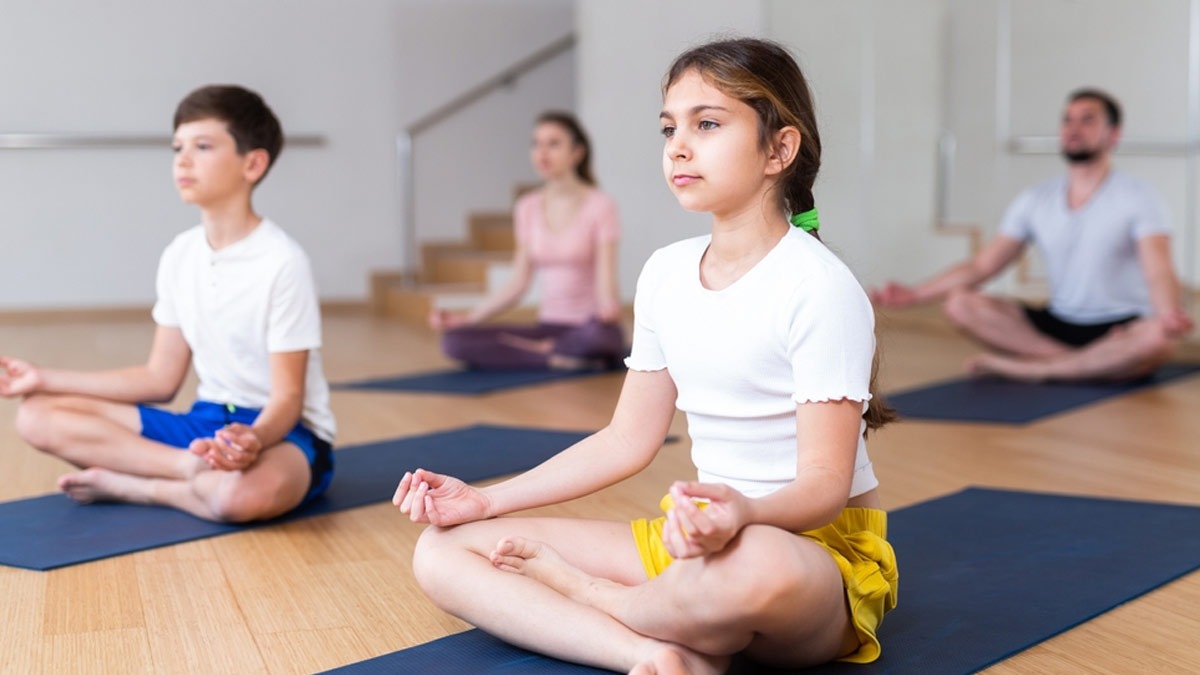
Ahead of International Day of Yoga 2026, experts from the Ministry of Ayush noted that while children can start playful movements early, age eight is ideal for structured asanas. Incorporating simple poses like Tree and Child’s Pose helps children improve focus, correct posture, and build long-term emotional resilience.
NEW DELHI — As millions globally prepare to celebrate the 12th annual International Day of Yoga on June 21, 2026, the Ministry of Ayush has placed a renewed national focus on introducing holistic wellness habits to the youngest demographic. While this year's central global theme, "Yoga for Healthy Ageing," primarily addresses longevity and preserving physical-mental faculties across the human lifespan, public health officials emphasize that healthy ageing fundamentally begins during early development. Consequently, pediatric healthcare professionals and certified yoga acharyas have issued updated operational guidelines delineating exactly when children should start structural yoga routines and which beginner-friendly asanas offer the safest physiological benefits.
The Optimal Age Milestones for Early Childhood Practice
According to consensus statements from senior specialists at the Morarji Desai National Institute of Yoga (MDNIY), children can safely interact with playful, movement-based yoga concepts as early as three to five years old. However, experts note a clear difference between casual movement games and structured, breath-synchronized hatha yoga.
Medical researchers point out that the age of eight represents a critical physiological milestone for children. By this stage, the total number of pulmonary air sacs (alveoli) in a child's respiratory system stabilizes, the foundational immune architecture matures, and cognitive faculties evolve to absorb systematic postural alignments. Traditionally marked in India by historical developmental rites, modern sports scientists confirm that eight years of age is the ideal baseline to introduce structured pranayama (breathwork) and precise postural holds. Practiced consistently at this juncture, it aids in physical endurance and helps prepare children emotionally for the upcoming hormonal changes of puberty.
4 Beginner-Friendly Asanas Tailored for Children
For parents and educators introducing children to yoga on the International Day of Yoga 2026, experts from the Central Council for Research in Yoga and Naturopathy (CCRYN) recommend starting with highly visual, nature-inspired postures. These four foundational asanas improve structural alignment, coordination, and mental focus without overtaxing developing joints:
1. Vrikshasana (Tree Pose)
How to Execute: Stand upright on one leg, placing the sole of the opposite foot along the inner thigh or calf of the standing leg (avoiding the knee joint), and bring hands together at the chest or stretch them overhead.
Clinical Benefits: Vrikshasana directly targets Neuromuscular coordination and vestibular balance. For school-aged children, holding this posture requires focused visual concentration, which helps expand attention spans and builds pelvic girdle stability.
2. Marjariasana-Bitilasana (Cat-Cow Stretch)
How to Execute: Begin on all fours on a padded mat. Synchronize the breath to alternate between arching the spine toward the ceiling while dropping the head (Cat) and dropping the abdomen downward while lifting the chest and gaze upward (Cow).
Clinical Benefits: This dynamic combination provides gentle mobilization for the thoracic and lumbar spine. It helps correct postural imbalances caused by prolonged sitting in classrooms and carrying heavy school backpacks.
3. Adho Mukha Svanasana (Downward-Facing Dog Pose)
How to Execute: From a prone position, press firmly through the palms and balls of the feet to elevate the hips toward the ceiling, creating an inverted "V" shape with the body while relaxing the neck.
Clinical Benefits: This foundational inversion increases blood flow to the cerebral cortex, stretches the hamstrings and calves, and builds upper-body strength across the scapular region and wrists.
4. Balasana (Child's Pose)
How to Execute: Kneel on the floor, sit back onto the heels, and bow forward to rest the torso between the thighs, extending the arms completely forward or resting them alongside the body with the forehead touching the mat.
Clinical Benefits: Balasana serves as a vital restorative mechanism. It down-regulates the sympathetic nervous system, lowers cortisol production, and offers children a reliable physical outlet to manage academic stress or sensory overload.
Impact on Families, Schools, and Public Health Frameworks
The systematic integration of early-stage wellness protocols carries measurable benefits for multiple sectors of society:
Parents and Guardians: Introducing short, 15-minute daily routines provides families with a screen-free tool to improve emotional regulation and reduce behavioral anxieties in children.
Educational Institutions: Schools aligning with the Ministry of Education directives are increasingly replacing traditional stationary assemblies with short, structural yoga flows, reporting immediate improvements in classroom focus and decreased peer-to-peer friction.
Healthcare Systems: By encouraging preventive fitness routines during early childhood, public health frameworks can better manage long-term pediatric lifestyle challenges, including early-onset juvenile obesity, posture issues, and childhood stress.
Official Sources Section
The developmental age parameters, physical benefits, and regional event schedules highlighted in this article are adapted from official guidelines issued by the Ministry of Ayush and instructional manuals from the Morarji Desai National Institute of Yoga. National educational integration policies are cross-referenced with public releases from the Ministry of Education.
Quote Section
"Healthy ageing is not a practice that begins in our sixties; it is a life-long trajectory that yields maximum results when seeded during youth. Introducing our children to foundational, non-strenuous asanas ensures the development of robust respiratory health and emotional resilience from an early age."
— Prataprao Jadhav, Union Minister of State (Independent Charge) for Ayush
Why It Matters
In an increasingly digital era characterized by high screen times and sedentary lifestyles, children face rising rates of postural strain and focus difficulties. Implementing accessible yoga routines early in life offers a practical solution to these modern challenges. Unlike highly competitive sports, yoga provides a non-competitive environment focused on self-awareness. This helps children develop a healthy relationship with physical activity and equips them with lifelong tools for emotional regulation and stress management.
Key Facts at a Glance
Milestone Timing: Playful, movement-based yoga can begin at age 3–5, while structured postural practices and breathwork are ideally introduced at age 8.
Global Celebration: June 21, 2026, marks the 12th annual International Day of Yoga, featuring massive events across 2,500 locations worldwide.
Core Core Theme: The 2026 global theme is "Yoga for Healthy Ageing," highlighting the importance of building healthy habits early in life.
Pediatric Recommendations: Core starter poses for children include Vrikshasana, Marjariasana, Adho Mukha Svanasana, and Balasana.
FAQ Section
Q1: Can practicing yoga stunt a child's physical growth? No. When practiced correctly under qualified guidance, gentle stretching and bodyweight asanas improve flexibility and joint health without damaging epiphyseal growth plates. Children should avoid intense power yoga or extreme backbends until their skeletal systems mature.
Q2: How long should a typical yoga session be for a young child? For beginners aged five to ten, sessions should remain brief and engaging, lasting between 15 to 20 minutes. The focus should be on fun, imagination-based movement rather than rigid alignment rules.
Q3: Where are the primary national events for International Day of Yoga 2026 being hosted in India? The main national demonstration is scheduled to take place on June 21 at Kolkata's historic Red Road, with additional cultural programs hosted across 100 iconic landmarks by the Ministry of Culture.
Source: