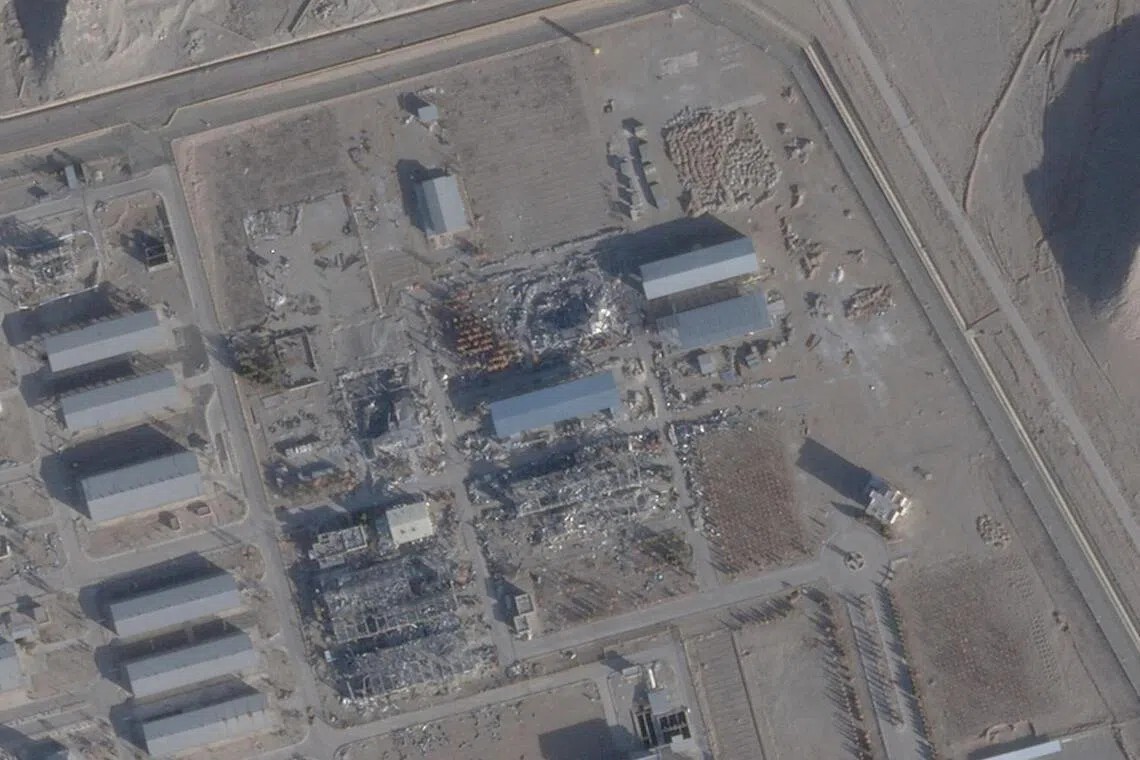
Iran’s Supreme Leader Ayatollah Ali Khamenei has firmly declared that enriched uranium stockpiles will remain inside Iran, escalating tensions around ongoing nuclear negotiations with Western powers. Iranian sources suggest Tehran sees uranium enrichment as a non-negotiable sovereign right, complicating diplomatic efforts aimed at reviving nuclear agreements and easing sanctions.
The latest statement from Iran’s leadership signals a tougher stance in the already fragile geopolitical landscape surrounding the country’s nuclear program. As international pressure mounts, Tehran’s insistence on retaining enriched uranium domestically could intensify concerns among the United States, European nations, and global nuclear watchdogs.
Tehran’s Nuclear Position Hardens
Iranian officials have reportedly communicated that enriched uranium is central to the country’s strategic and energy policies. Supreme Leader Ayatollah Ali Khamenei emphasized that Iran will not surrender control over its nuclear materials, despite international calls for tighter monitoring and restrictions.
The remarks come amid renewed discussions over sanctions relief and attempts to restore diplomatic engagement after years of strained relations between Tehran and Western governments.
Global Powers Watch Closely
Western nations, particularly the United States and European allies, have repeatedly expressed concern over Iran’s uranium enrichment levels, warning that higher-grade enrichment could shorten the timeline for potential nuclear weapons capability.
However, Iran maintains that its nuclear program is intended for peaceful purposes, including energy production and scientific research. Tehran also argues that retaining enriched uranium within its borders is essential for national security and technological independence.
Nuclear Standoff Highlights
- Iran insists enriched uranium will remain under domestic control
- Supreme Leader calls nuclear sovereignty a “national right”
- Diplomatic talks over sanctions and nuclear restrictions remain uncertain
- Western nations fear further escalation in uranium enrichment levels
- Global energy markets and Middle East stability remain under close watch
The latest developments add fresh uncertainty to international nuclear diplomacy, with analysts warning that stalled negotiations could deepen geopolitical tensions across the Middle East while impacting global energy security and regional stability.
Sources: Reuters, International Atomic Energy Agency (IAEA), Al Jazeera, Associated Press