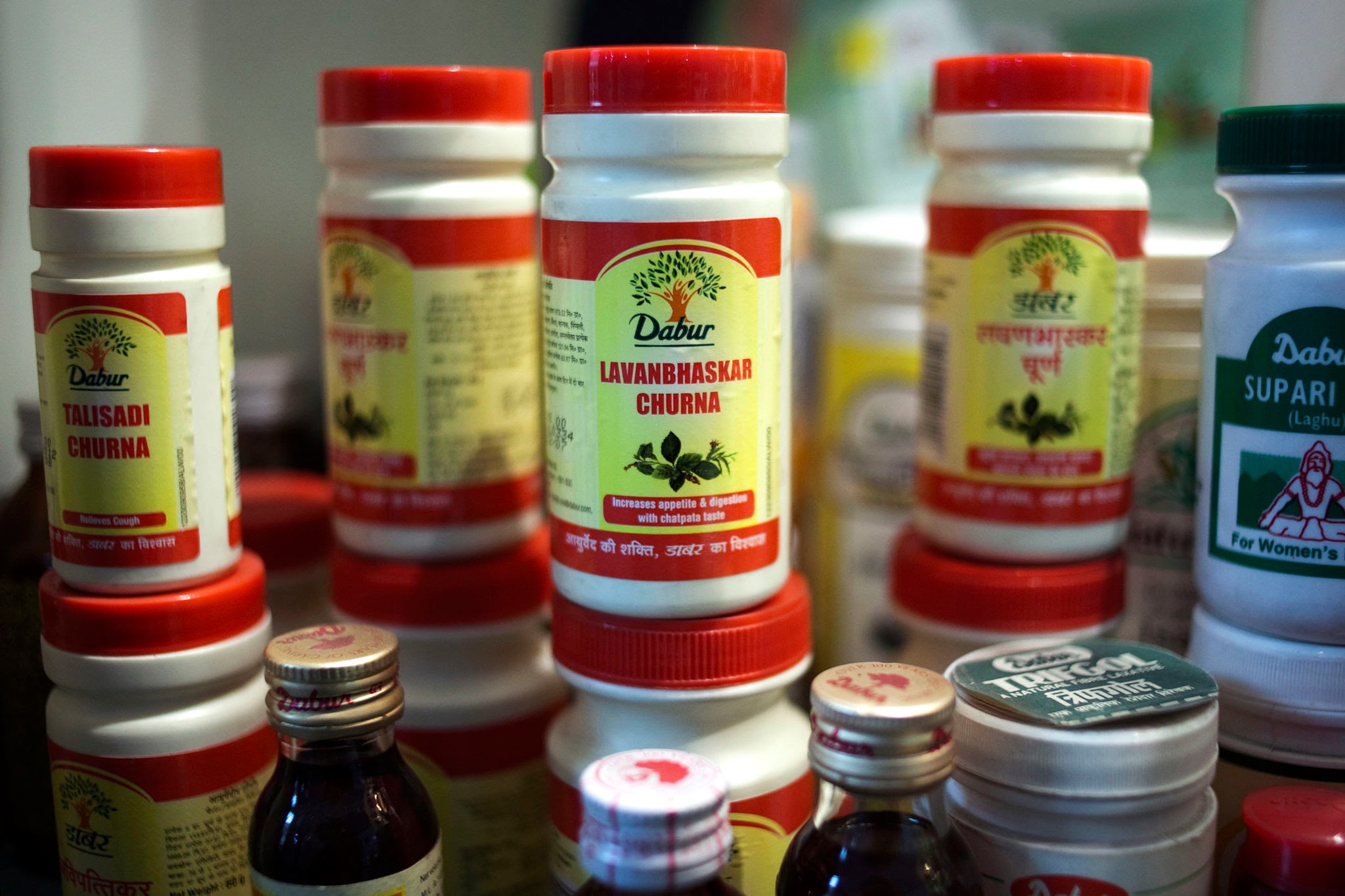
India's food regulator FSSAI prohibited Dabur India from selling several food products including honey, ghee, and coconut oil carrying misleading "100% Pure" and "100% Natural" claims. Citing advertising regulations, the regulator ordered an immediate sales halt and required an Action Taken Report within 15 days.
NEW DELHI, India — India’s apex food safety regulator, the Food Safety and Standards Authority of India (FSSAI), issued a prohibition order against fast-moving consumer goods giant Dabur India Limited on August 3, 2026, directing the immediate suspension of sales for several food products carrying misleading "100%" claims.
The regulatory action covers prominent household items sold on the company's website including honey, cow ghee, apple cider vinegar, virgin coconut oil, sesame oil, coconut water, and coconut milk that feature labels such as "100% Natural", "100% Pure", "100% Purity Guaranteed", "100% Organic", and "100% Tender Coconut Water".
The decision is important today as it signals an intensified regulatory enforcement campaign against deceptive labeling in India's packaged food sector, forcing consumer goods companies to realign product marketing with statutory standards.
Regulatory Violations and Scope of the Prohibition Order
According to the official communication released by the regulator, the usage of numerical purity claims on food packaging directly contravenes the Food Safety and Standards (Advertising and Claims) Regulations, 2018. The authority stated that claims implying complete absolute purity are ambiguous, scientifically unverifiable, and likely to deceive retail buyers.
In its audit of the company’s digital catalog, the regulator highlighted multiple specific compliance failures across product categories:
Uncertified Organic Markings: Products such as Dabur Himalayan Organic Apple Cider Vinegar and Dabur Organic Honey displayed the official Jaivik Bharat logo without obtaining valid organic endorsements or required regulatory approvals.
Impermissible Claims on Compound Foods: Dabur Hommade Coconut Milk carried a "100% Purity" claim, which is explicitly prohibited for multi-ingredient or compound food products under existing advertising statutes.
Unresolved Advisory Compliance: The regulator noted that a prior notice instructing the company to discontinue "100%" claims yielded no satisfactory corrective action, necessitating the issuance of a formal prohibition order.
Under the terms of the order, Dabur India must immediately halt sales of the identified items and submit a formal Action Taken Report (ATR) within 15 days. The authority explicitly clarified that the enforcement action pertains strictly to labeling, packaging claims, and marketing disclosures, rather than issues concerning physical product safety, adulteration, or chemical contamination.
Broader Industry Crackdown on Food Labeling
The order against Dabur builds upon an industry-wide advisory issued by the central regulator instructing all food business operators (FBOs) to eliminate "100 per cent" claims from packaging, advertising, and e-commerce product listings. Regulatory authorities have reiterated that numerical purity descriptors lack legal definitions under Indian food law and risk instilling unfounded beliefs among buyers regarding product composition.
The crackdown mirrors similar enforcement actions taken across the beverage industry. In a related regulatory precedent, the food authority previously directed juice manufacturers to drop the phrase "100% Fruit Juice" from reconstituted juice cartons, leading to packaging modifications across major retail brands.
Market and Consumer Impact
The regulatory directive carries immediate operational implications for consumer goods manufacturers, retail distributors, and everyday households:
Consumer Transparency: Retail shoppers gain protection against misleading marketing terminology, encouraging brands to provide accurate ingredient percentages on front-of-pack labels.
E-Commerce and Retail Logistics: Online grocery platforms and physical retailers must audit stock keeping units (SKUs) to remove non-compliant packaging from digital listings and store shelves.
Corporate Governance and FMCG Investors: Equity analysts note that compliance adjustments could trigger short-term packaging redesign costs and temporary inventory write-downs across affected product lines.
Official Sources Section
Regulatory filings, official statements, and statutory framework guidelines have been referenced from official government and corporate releases:
Official enforcement updates published by the Food Safety and Standards Authority of India (FSSAI).
Corporate disclosures and investor notifications from Dabur India Limited.
Food safety legislation overseen by the Ministry of Health and Family Welfare.
Official Statement
According to officials from the food safety authority, commercial manufacturers are required to uphold strict accuracy in product descriptions to prevent consumer deception.
"According to officials, the use of absolute terms like '100 per cent pure' or '100 per cent natural' cannot be substantiated under current testing protocols, and food business operators must align all promotional material with statutory labeling standards immediately".
In response to the prohibition order, Dabur India confirmed receipt of the regulatory notice. "We have received the FSSAI notice and are in the process of checking the content mentioned in the notice on our website," the company stated.
Why It Matters
When FSSAI orders Dabur to remove '100% Pure' claims, it establishes a firm regulatory precedent that redefines consumer product marketing across India's FMCG sector. By enforcing strict adherence to advertising laws, the regulator protects consumers from deceptive marketing, ensures fair competition among manufacturers, and accelerates the adoption of clear, factual labeling across all packaged food categories.
Key Facts at a Glance
Regulatory Action: FSSAI prohibition order issued against Dabur India over misleading "100%" product claims.
Flagged Terminology: Prohibits terms including "100% Pure", "100% Natural", "100% Organic", and "100% Purity Guaranteed".
Affected Products: Includes honey, cow ghee, apple cider vinegar, virgin coconut oil, sesame oil, and coconut water.
Logo Misuse: Highlights unauthorized display of the Jaivik Bharat organic logo on select products without valid endorsement.
Compliance Timeline: Requires immediate halt of non-compliant sales and an Action Taken Report within 15 days.
Frequently Asked Questions (FAQ)
Why did FSSAI order Dabur to remove '100% Pure' claims from its products?
The regulator determined that claims like "100% Pure" or "100% Natural" violate the Food Safety and Standards (Advertising and Claims) Regulations, 2018, because they are ambiguous, legally unbacked, and misleading to consumers.
Does this prohibition order mean the affected Dabur products are unsafe or contaminated?
No. The regulator explicitly noted that the enforcement action relates exclusively to product packaging, labeling, and promotional claims, not to product quality, safety, or contamination.
Which Dabur products are affected by the order?
The order covers several food items listed on Dabur's website, including honey, organic honey, cow ghee, apple cider vinegar, virgin coconut oil, sesame oil, coconut water, and coconut milk.
What is the Jaivik Bharat logo violation mentioned in the order?
The regulator found that certain products, such as Dabur Organic Honey and Dabur Himalayan Organic Apple Cider Vinegar, displayed the Jaivik Bharat organic certification mark without holding a valid FSSAI organic endorsement.
Source: Official notices published by the Food Safety and Standards Authority of India (FSSAI), regulatory press reports from Press Trust of India (PTI), and corporate statements from Dabur India Limited.