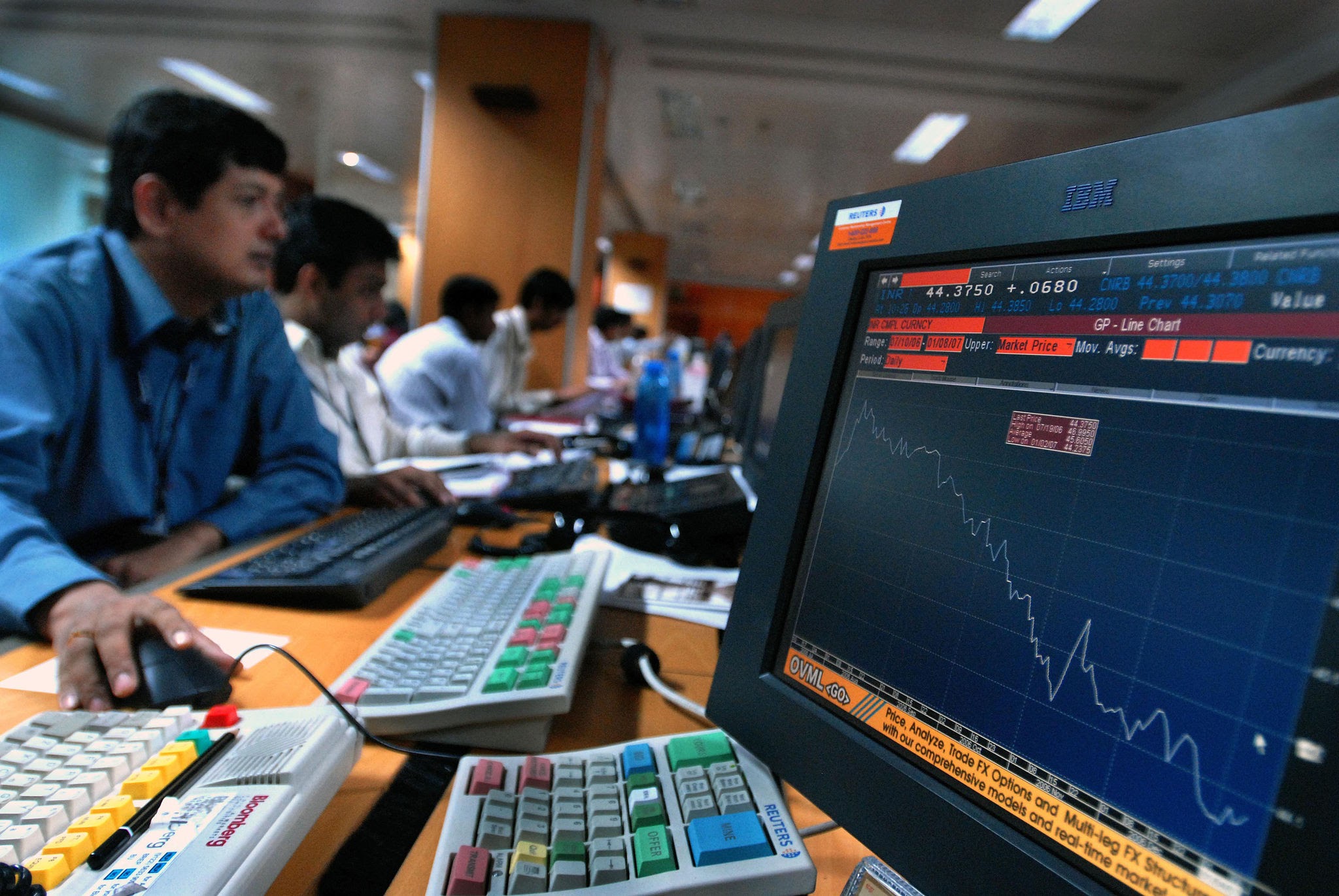
Indian equity markets witnessed early buying interest on Monday, August 3, 2026. Pre-open trading showed Nifty Bank futures (.NBNc1) gaining 0.57%, while the Nifty Auto index (.NIFTYAUTO) advanced 1.09%. Favorable global cues, steady institutional flows, and robust monthly auto sales performance supported early market momentum across major domestic trading desks.
MUMBAI, India — Indian equity market indicators pointed to a firm opening session on Monday, August 3, 2026, driven by early gains in key sectoral indices and derivative contracts. In pre-open trade on the National Stock Exchange of India (NSE), Nifty Bank futures (.NBNc1) rose 0.57%, while the Nifty Auto index (.NIFTYAUTO) climbed 1.09%. The positive start reflects expanding buyer volume across rate-sensitive financial counters and commercial vehicle manufacturers as investors prepare for key macroeconomic events later in the week.
The upbeat opening trade comes as the Reserve Bank of India’s (RBI) Monetary Policy Committee (MPC) begins its three-day bi-monthly deliberations. With global stock markets showing resilience and domestic institutional buying remaining steady, early derivative trends provide critical momentum for Indian benchmark indices heading into the new trading week.
Banking Futures and Auto Equities Lead Early Advance
The early morning trade data highlights concentrated strength in banking derivatives and automobile equities. Nifty Bank futures (.NBNc1) maintained a 0.57% premium in pre-open trade, reflecting institutional positioning in major public and private sector lenders ahead of the central bank's rate decision. Financial market strategists note that the banking sector index continues to build a stable base above key support levels, encouraging long positions in index futures.
Simultaneously, the Nifty Auto index (.NIFTYAUTO) emerged as a top sectoral performer, advancing 1.09% in pre-open trade. The surge builds upon positive momentum established at the end of July, supported by strong monthly sales disclosures from leading vehicle manufacturers, including Mahindra & Mahindra, Bajaj Auto, and Eicher Motors. Robust dispatches in two-wheelers and commercial vehicles have reinforced earnings expectations for the automotive manufacturing ecosystem.
Extended F&O Trading Hours Effective Today
In addition to sector-specific price action, Monday, August 3, 2026, marks the official implementation of extended trading hours for equity derivatives on the National Stock Exchange. Under regulatory directives issued by the Securities and Exchange Board of India (SEBI), standard market closing for equity futures and options contracts has been shifted from 3:30 PM to 3:40 PM IST.
The 10-minute trading extension introduces the Closing Auction Session (CAS) to compute official Volume-Weighted Average Price (VWAP) benchmarks. Market regulators and exchange operators designed the operational shift to align Indian derivative markets with international financial centres, allowing market participants additional flexibility to manage portfolio risks during closing hours.
Economic Context and Market Impact
Impact on Retail and Day Traders
The positive momentum in Nifty Bank futures and the Nifty Auto index in pre-open trade offers tactical intraday opportunities. However, technical analysts advise retail traders to monitor key resistance hurdles near 24,430 on the Nifty 50 and 57,450 on the Bank Nifty before committing fresh capital.
Impact on Institutional Investors and Capital Markets
Foreign institutional investors (FIIs) and domestic mutual funds have maintained net buying activity in the equity cash segment. The combination of a calm volatility index (India VIX) and steady derivative expansion indicates sustained confidence in medium-term corporate earnings growth.
Official Sources Section
Market data, pre-open ticks, and regulatory updates were verified against official statistics published by the National Stock Exchange of India (NSE) and market notifications from the Securities and Exchange Board of India (SEBI).
Quote Section
"According to officials and exchange disclosures, early derivative price trends reflect steady liquidity inflows, while the extension of equity derivative trading hours to 3:40 PM IST provides market participants with enhanced price discovery mechanisms."
Why It Matters
Pre-open trade movements in Nifty Bank futures and the Nifty Auto index serve as reliable barometers for overall market sentiment in India. Because financial and auto stocks constitute a major weight in equity benchmarks, early strength in these sectors helps set a positive tone for retail investors, institutional portfolios, and global funds tracking South Asian equity assets.
Key Facts at a Glance
Banking Futures: Nifty Bank futures (.NBNc1) moved up 0.57% in pre-open trade.
Auto Index: Nifty Auto (.NIFTYAUTO) gained 1.09% in early market indications.
Policy Trigger: RBI Monetary Policy Committee begins its 3-day policy session on August 3, 2026.
Regulatory Update: NSE equity derivatives trading hours extended by 10 minutes to close at 3:40 PM IST starting today.
Frequently Asked Questions (FAQ)
What does a 0.57% gain in Nifty Bank futures indicate?
A 0.57% rise in Nifty Bank futures during pre-open trade indicates early buying demand among institutional traders anticipating strong performance across major private and public sector banking stocks.
Why is the Nifty Auto index rising today?
The Nifty Auto index gained 1.09% in pre-open trade driven by strong monthly vehicle sales reports for July 2026 and positive consumer demand trends across commercial and passenger vehicle segments.
What major regulatory change takes effect on the NSE on August 3, 2026?
Effective August 3, 2026, the NSE has extended standard equity futures and options (F&O) market closing time from 3:30 PM to 3:40 PM IST to facilitate the Closing Auction Session (CAS).
Source: Live market data provided by the National Stock Exchange of India (NSE), regulatory updates from the Securities and Exchange Board of India (SEBI), trading disclosures from the Bombay Stock Exchange (BSE), and monetary policy schedules from the Reserve Bank of India (RBI).