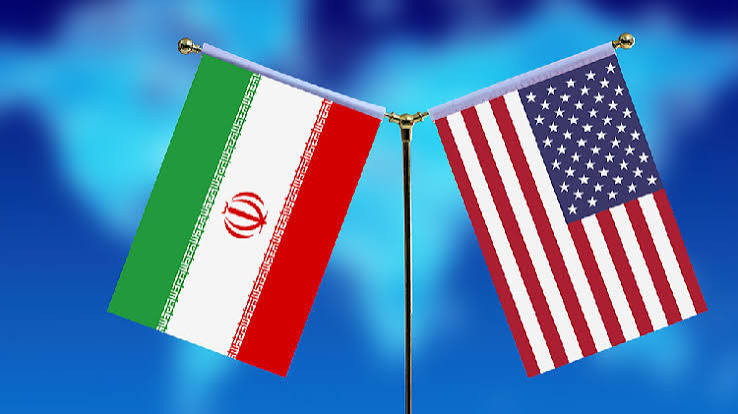
The newly signed U.S.-Iran Islamabad Memorandum has successfully halted active hostilities and reopened the Strait of Hormuz. However, a strategic reading of the text reveals that Tehran secured immediate oil export waivers and kept its uranium down-blending on domestic soil, limiting U.S. leverage as the 60-day final negotiation window begins.
Islamabad Memorandum Analysis: Reading Between the Lines of the U.S.-Iran MoU
As the 60-day diplomatic window opens, the preliminary framework provides strategic economic concessions while kicking long-term nonproliferation and proxy concerns down the road.
WASHINGTON — A critical analysis of the newly signed "Islamabad Memorandum of Understanding" between the United States and the Islamic Republic of Iran reveals a complex web of pragmatic compromises that fall far short of initial Western military objectives. Following its formal remote signing by U.S. President Donald Trump and Iranian President Masoud Pezeshkian on Wednesday, June 17, 2026, the 14-point preliminary peace agreement successfully halted nearly four months of intense, devastating conflict in West Asia. However, as the 60-day window for negotiating a permanent settlement formally commences today, June 19, 2026, a closer examination of the text indicates that while Washington secured immediate maritime relief, Tehran engineered significant economic safeguards that limit future U.S. diplomatic leverage.
Tactical Concessions: Swapping Oil Flow for Enrichment Compromises
The primary immediate breakthrough of the Islamabad Memorandum is the stabilization of global energy corridors. Under the core terms of the pact, Iran committed to unconditionally reopening the crucial Strait of Hormuz to commercial shipping toll-free and removing naval mines within 30 days. In return, the United States authorized the immediate dismantling of its punitive naval blockade of Iranian ports, which had severely restricted regional commerce.
However, a deeper reading of the text highlights a stark compromise regarding Iran's nuclear infrastructure. The memorandum mandates that Iran down-blend its 440-kilogram stockpile of highly enriched uranium (HEU) to lower levels. Crucially, this dilution will occur entirely on Iranian soil under the supervision of the United Nations' International Advisory Body, the International Atomic Energy Agency (IAEA).
Security analysts point out that this represents a notable shift from Washington’s long-standing demand that all highly enriched materials be physically shipped out of the country. By keeping the material within its sovereign borders, Tehran retains its underlying domestic technical capabilities while offering a reversible gesture of temporary compliance.
The Status Quo Clause: A Shrewd Iranian Lever
Strategic analysts are focusing intently on the memorandum's strict "status quo" clause, which establishes the operational boundaries for the 60-day negotiation phase. The clause dictates that pending a final agreement, Iran will freeze its nuclear expansion at current levels, while the United States is legally barred from introducing new economic sanctions or reinforcing its military presence in the Middle East.
According to a comprehensive evaluation published by the Institute for the Study of War (ISW), this specific paragraph represents a tactical victory for Iranian negotiators led by Parliamentary Speaker Mohammad Bagher Ghalibaf. By effectively freezing Washington's ability to apply additional economic or military pressure during the high-stakes talks, the text limits the United States' capacity to extract deeper concessions regarding long-term enrichment caps.
Furthermore, the document contains an immediate oil sanctions waiver issued by the U.S. Department of the Treasury. This waiver permits the unhindered export of Iranian crude oil, petroleum products, and associated banking transactions the moment the document takes effect, providing Tehran with an immediate economic lifeline when its internal finances are most strained.
Silent Provisions: The Omission of Proxies and Regional Allies
The most glaring omissions within the 14-point framework involve regional proxy networks and the state of Israel. While the text explicitly declares an "immediate and permanent termination of military operations on all fronts, including in Lebanon," it remains entirely silent on the long-term disarmament of non-state actors such as Hezbollah or the Houthi movement in Yemen.
Instead, the text envisions an Iranian-Omani led regional dialogue with neighboring Gulf states to establish permanent maritime traffic protocols once the temporary 60-day window expires.
Critically, Israel is not a signatory to the Islamabad Memorandum, which was mediated primarily by Pakistani Prime Minister Shehbaz Sharif and Qatari diplomats. While U.S. officials maintain that the inclusion of Lebanon implicitly forces Iran to restrain Hezbollah, the lack of explicit language or direct Israeli endorsement creates a volatile statutory environment. This ambiguity was underscored when several Iranian merchant vessels immediately broke through the dissolving blockade lines on June 18, demonstrating that local commanders are moving quickly to assert their interpretation of the agreement.
Official Sources Section
The clauses, strategic omissions, and operational timelines detailed in this analytical report were compiled from the unclassified text of the Islamabad Memorandum of Understanding released by the Pakistani Mediating Team and confirmed by the Swiss Foreign Ministry at Burgenstock. Supplemental strategic assessments were sourced from the American Enterprise Institute's Critical Threats Project and administrative press briefings conducted by U.S. Vice President JD Vance.
Quote Section
"According to officials familiar with the closed-door sessions in Islamabad, the agreement was designed to establish a rapid baseline of stability rather than solve decades of systemic rivalry," stated a senior diplomatic correspondent tracking the Swiss transition. "The true test of the framework will occur over the next 60 days, as both sides attempt to define what a permanent nuclear settlement actually looks like."
Why It Matters
For global commodity traders, international shipping lines, and macroeconomic investors, the nuances of the U.S.-Iran MoU are of paramount importance. The immediate lifting of the naval blockade and the reopening of the Strait of Hormuz eliminate the extreme insurance risk premiums that have driven global crude oil and liquefied natural gas (LNG) prices to record highs over the past four months. However, because the memorandum defers the contentious issues of missile restrictions and proxy financing to a later date, businesses must prepare for renewed market volatility if the upcoming comprehensive talks stall before the August deadline.
Key Facts at a Glance
The Mandate: The Islamabad Memorandum establishes a 60-day ceasefire extension to negotiate a permanent end to the 2026 U.S.-Iran war.
Maritime Relief: Iran must restore the Strait of Hormuz to pre-war shipping volumes within 30 days; the U.S. must end its naval blockade.
Nuclear Terms: Highly enriched uranium will be diluted directly on Iranian soil under strict UN/IAEA supervision.
Financial Lifeline: The U.S. Treasury issued immediate waivers for Iranian crude oil exports and associated international banking services.
Omissions: The document is entirely silent on specific ballistic missile limits, proxy funding restrictions, and Israel's long-term defense parameters.
FAQ Section
Q: Does the Islamabad Memorandum mean the U.S.-Iran war is officially over? A: No. The memorandum functions as a temporary 14-point framework agreement and a 60-day ceasefire extension. It provides immediate relief—such as reopening shipping lanes—but leaves the permanent structural terms of a peace treaty to be negotiated over the next two months.
Q: What does Iran gain financially from signing this preliminary document? A: Iran receives immediate, conditional economic relief via U.S. Treasury waivers on its crude oil and petroleum exports, along with access to crucial cross-border banking services, allowing the regime to generate revenue before the final nuclear terms are finalized.
Q: Why are security experts concerned about the "status quo" clause in the MoU? A: The clause prevents the United States from enacting new sanctions or deploying additional military forces to the region during the 60-day negotiation period. Critics argue this eliminates Washington's primary tools of economic and military leverage, making it harder to pressure Iran during the final talks.
Source: * Swiss Federal Department of Foreign Affairs (FDFA) Burgenstock Summit Disclosures
Institute for the Study of War & Critical Threats Project Special Report (June 16, 2026)
White House Office of the Press Secretary Bilateral Briefing Transcript