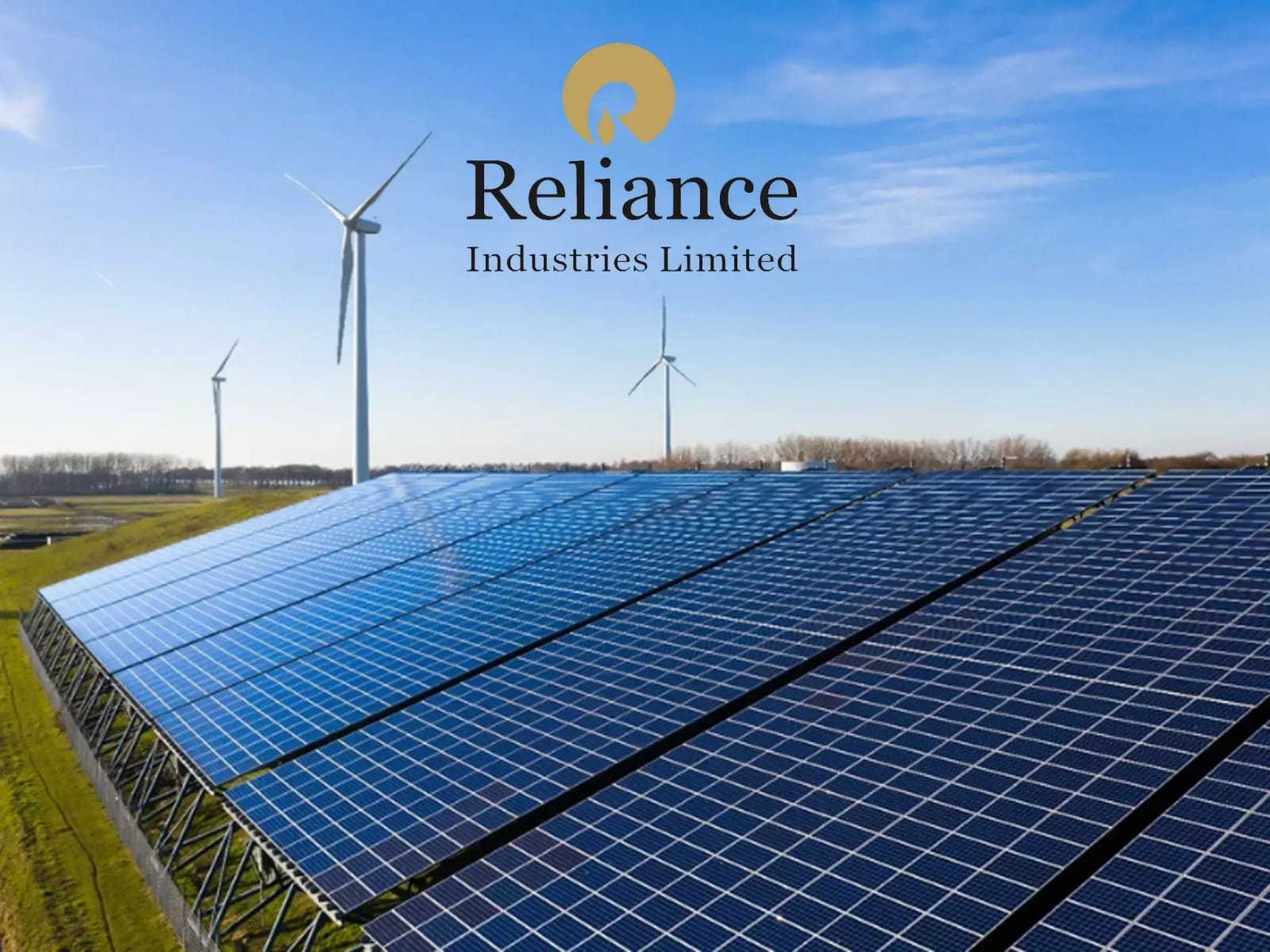
Japan will extend official trade insurance through NEXI for a 100 billion yen syndicated loan to Reliance Industries. Led by MUFG Bank and six other lenders, the multi-currency package funds solar energy and battery storage production in India, cementing a key clean-tech bilateral corridor between Tokyo and New Delhi.
TOKYO — Japan is set to significantly boost India's transition to renewable infrastructure by extending trade insurance to a massive private sector financing package. According to institutional notifications on July 2, 2026, the Japanese government will provide official trade insurance on a 100 billion yen ($620 million equivalent) syndicated loan allocated directly to Reliance Industries Limited. The capital is strictly earmarked to expand the Indian conglomerate’s large-scale solar power generation and grid-scale battery manufacturing projects across India, serving as a critical cornerstone for cross-border clean energy supply chains.
NEXI and Reliance to Sign Formal Memorandum
The underwriting framework will be formalized through an official regulatory signing ceremony scheduled for July 2, 2026. The state-backed Nippon Export and Investment Insurance (NEXI) will finalize a comprehensive Memorandum of Understanding (MoU) alongside executives from Reliance Industries. By insuring this cross-border transaction, the Japanese government aims to mitigate commercial and political risk for domestic lenders, clearing the path for substantial capital allocations into long-term infrastructure deployments overseas.
This agreement falls directly under Japan’s updated international trade initiative, designed to help strategic commercial allies hit carbon-neutral metrics while incorporating sophisticated Japanese supply chains, engineering consulting, and technical frameworks into major South Asian manufacturing hubs.
Seven-Bank Consortium Mobilizes Yen and Dollar Capital
The core deployment relies on a powerful consortium of private financial giants stepping in alongside state support. A total of seven commercial banking institutions, led directly by Japan’s largest financial group, MUFG Bank, will jointly provide the necessary liquidity.
The structural terms of the multi-bank agreement dictate that financing will be disbursed via a flexible cross-currency mechanism, allocating capital in both Japanese Yen (JPY) and U.S. Dollars (USD). This structure shields Reliance from extreme regional currency fluctuations while ensuring competitive interest rates backed by Japanese sovereign risk mitigation.
Industry analysts point out that the inclusion of major commercial entities signals strong institutional appetite for sustainable industrial paper when supported by strong bilateral regulatory guarantees.
Official Sources Section
According to administrative summaries published by regional financial networks and verified by media briefings from the Nikkei, the transaction marks one of the largest single-tranche green credit initiatives between Japanese financial entities and an independent Indian conglomerate to date.
Quote Section
"According to officials familiar with the transaction details, the strategic partnership establishes a robust template for blending public-sector risk guarantees with deep commercial banking liquidity to accelerate decarbonization across major developing markets."
Why It Matters
For citizens and business consumers across India, this substantial financial injection will directly influence energy grid stability. The capital accelerates the construction of Reliance’s sprawling manufacturing facilities, which turn out high-efficiency solar photovoltaic modules and advanced energy storage systems.
As these battery systems are deployed on India’s national grid, they will stabilize solar energy distribution, mitigating power outages during peak hours. For global investors, this deal sets a precedent for how global capital markets can fund highly expensive green transitions without overwhelming local corporate balance sheets with unhedged currency risks.
Key Facts at a Glance
Total Loan Volume: 100 billion yen ($620 million equivalent) distributed across yen and dollar tranches.
Primary Insurer: Underwritten officially by Japan's state-backed Nippon Export and Investment Insurance (NEXI).
Consortium Leadership: Arranged and led by MUFG Bank alongside six secondary commercial financial institutions.
Target Industry: Distributed capital to directly fund Reliance Industries' domestic solar energy fields and battery cell manufacturing plants.
FAQ Section
What is the primary purpose of this 100 billion yen loan?
The capital is explicitly dedicated to expanding Reliance Industries' green energy ecosystem inside India, focusing primarily on manufacturing high-capacity battery units and scaling solar power installation plants.
What role does NEXI play in this transaction?
As Japan's official export credit insurance agency, NEXI underwrites the syndicated loan. This trade insurance protects the lending commercial banks against default or regional geopolitical disruptions, lowering the overall cost of capital.
Which financial institutions are providing the actual money?
A consortium of seven commercial banking firms is supplying the funds. The effort is led directly by Japan's MUFG Bank, utilizing a combined yen- and dollar-denominated multi-currency structure.
Source: Nippon Export and Investment Insurance (NEXI) Official Announcements, Ministry of Finance Japan International Bureau Reports, Nikkei Market Data Services.