The Kerala government has put the Delhi Metro Rail Corporation's (DMRC) ₹57,000-crore high-speed rail proposal on hold following an expert panel report deeming it "incomplete." Chief Minister V.D. Satheesan confirmed that critical assessments regarding environmental, social, and economic viability are missing, halting all land acquisition plans until further studies.
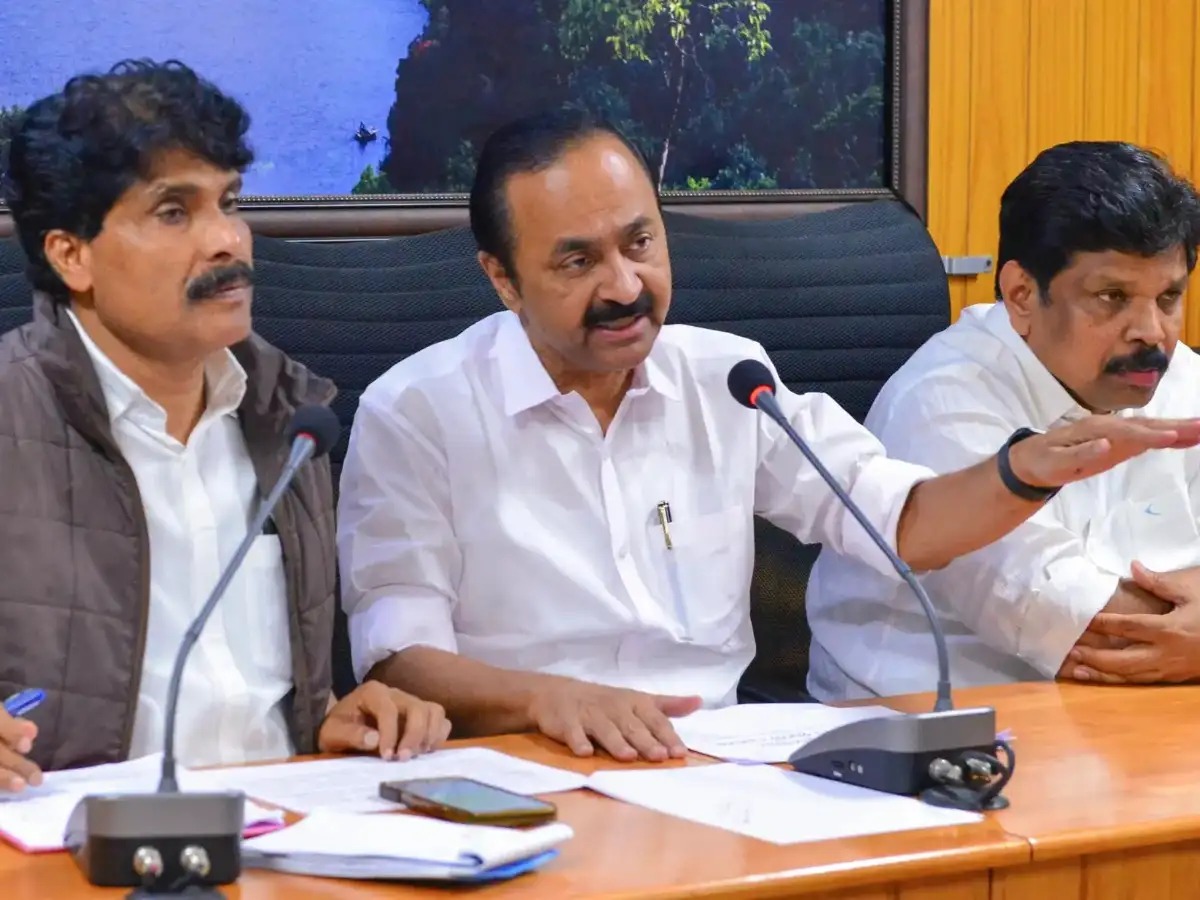
THIRUVANANTHAPURAM – The Kerala government has effectively stalled the proposed high-speed rail project championed by the Delhi Metro Rail Corporation (DMRC) after an expert committee deemed the current proposal incomplete. Chief Minister V.D. Satheesan announced on Wednesday, July 15, 2026, that the government would not proceed with land demarcation or acquisition until comprehensive viability, social, and environmental assessments are conducted.
The project, which was envisioned under the guidance of noted engineer E. Sreedharan, aimed to create a 473.2 km high-speed corridor connecting Thiruvananthapuram to Kannur. However, the state-appointed expert panel—comprising professionals from the railway, finance, and environmental sectors—found significant flaws in the DMRC’s interim report, leading to a cautious stance from the state Cabinet.
Expert Panel Flags Critical Omissions
In a briefing following a Cabinet meeting, Chief Minister Satheesan highlighted that the DMRC proposal lacked essential components required for a project of such magnitude. The expert committee, which submitted its findings to the government on Wednesday, identified several "major shortcomings," including:
Absence of Impact Assessments: The proposal notably lacked both environmental and social impact assessments.
Lack of Economic Modeling: The panel found no sound economic model to justify the project's financial sustainability.
Missing Logistics Component: The proposal focused exclusively on passenger movement, failing to address the transportation of goods—a critical factor for the government’s broader economic policy linking ports, airports, and inland waterways.
Inadequate Feasibility Data: The committee noted that the proposal lacked detailed viability and feasibility studies, as well as clear data on land availability, inter-connectivity with existing transit modes, and projected passenger ridership.
Government Stance: Avoiding Past Mistakes
The current administration has emphasized a commitment to transparent and evidence-based planning, specifically aiming to avoid the controversies that plagued the previous administration's "SilverLine" semi-high-speed rail project. The SilverLine project was eventually scrapped due to intense public opposition and concerns regarding land acquisition without sufficient environmental clearance.
"The government will not repeat the mistakes committed by the previous Left government," Chief Minister Satheesan stated. He affirmed that no steps towards land freezing or demarcation would be taken until a detailed project report (DPR) is prepared, which itself will only be considered after the government is satisfied with the results of independent studies.
Impact on Future Infrastructure
The DMRC had previously made a strong pitch for the project, suggesting it be executed on a turnkey basis with a base cost estimated at roughly ₹57,000 crore. The corporation had proposed a design that would be almost entirely elevated to minimize land usage and aimed to operate the corridor on a captive solar energy network.
Despite these claims, the state government remains focused on integrating the rail network into a wider logistics and transport ecosystem. "Without a logistics component in it, we will face problems in repaying the money we borrow for the project," Satheesan noted. The state now intends to carry out its own independent assessments to determine how the project can best serve the state's long-term infrastructure goals.
Official Sources
Kerala Cabinet: Decisions were announced by Chief Minister V.D. Satheesan following a Cabinet meeting on July 15, 2026.
Expert Committee Report: Submitted to the state government on July 15, 2026, by a four-member panel including specialists in railways, finance, and environmental science.
Regulatory Framework: The process is governed by the state’s infrastructure development policy.
Why It Matters
The pause in the high-speed rail project signifies a shift toward a more rigorous evaluation of large-scale infrastructure in Kerala. By prioritizing comprehensive feasibility and socio-economic integration over rapid commencement, the state government is attempting to balance its ambitious development goals with fiscal responsibility and environmental protection. For residents and investors, this means the project—while potentially transformative—will undergo a significantly longer and more detailed planning phase before any physical implementation begins.
Key Facts at a Glance
Project Status: Placed on hold pending further independent studies; no land acquisition or demarcation will occur.
Primary Concerns: Lack of environmental/social impact assessments, missing logistics/freight plans, and absence of a viable economic model.
Proposed Scope: The DMRC had envisioned a 473.2 km line connecting Thiruvananthapuram and Kannur with a design speed of 200 kmph.
Government Strategy: Future decisions will only follow the completion of a detailed project report (DPR) backed by transparent environmental and economic analysis.
FAQ
1. Why was the high-speed rail proposal halted?
The government-appointed expert panel found the DMRC proposal "incomplete," citing a lack of essential environmental, social, and economic feasibility studies.
2. Will there be land acquisition for the project now?
No. The Chief Minister confirmed that no land demarcation or acquisition will take place until the government is satisfied with a future, more comprehensive detailed project report.
3. How does this compare to the previous SilverLine project?
The current government has explicitly stated it intends to avoid the mistakes of the SilverLine project, which faced backlash for initiating land acquisition before key studies were completed.
4. What is the next step for the state government?
The government plans to conduct independent assessments and detailed studies on viability, logistics, and inter-connectivity before deciding on the next course of action.
Source: The Hindu, The Economic Times, New Indian Express, India Today