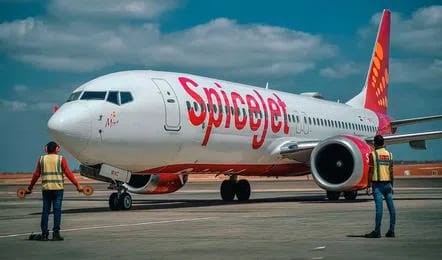
Two Irish leasing companies have filed requests with India's DGCA to deregister four grounded SpiceJet Boeing 737 MAX aircraft. SpiceJet confirmed the airframes were long idled by engine manufacturing issues, stating the deregistration will eliminate costly lease rentals on non-operational assets without causing any impact on active flight operations.
NEW DELHI — Two Irish aircraft leasing firms have filed formal requests with India's aviation regulator to deregister four Boeing 737 MAX aircraft currently leased to budget carrier SpiceJet. The applications, submitted under the Irrevocable Deregistration and Export Request Authorisation (IDERA) framework, were made public via an official regulatory update. SpiceJet has downplayed the operational impact of the filings, stating that the move will help the budget airline eliminate substantial lease rental costs on assets that have remained non-operational for a prolonged period due to manufacturing engine defects.
Deregistration Requests Filed with Aviation Regulator
According to public documents released by the Directorate General of Civil Aviation (DGCA), Ireland-based lessors Sky High LXXX Leasing Company Ltd and Sky High LXXVII Leasing Company Ltd submitted the IDERA applications. The filings seek the immediate deregistration of four specific Boeing 737-8 MAX narrow-body aircraft registered under Indian tail numbers VT-MXA, VT-MXB, VT-MXC, and VT-MAX.
Under international aviation frameworks like the Cape Town Convention, an IDERA filing grants lessors the power to request national regulators to deregister and export aircraft if lease agreements are disrupted or restructured. The Indian aviation regulator typically processes these filings within a fixed window after validating the legal requests submitted by the aircraft owners.
SpiceJet Cites Technical Grounds and Cost Optimization
Responding to the regulatory disclosure, a SpiceJet spokesperson clarified that the four affected Boeing 737 MAX aircraft have been grounded for an extended duration. The airline attributed the long-term grounding of these specific tail numbers to manufacturing anomalies tied to the engines' High Pressure Turbine (HPT) components, which rendered them unfit for scheduled commercial service.
"These aircraft have been grounded for a long period due to engine HPT manufacturing issues," the SpiceJet spokesperson stated in an official company release. "The de-registration of these aircraft will eliminate lease rental costs on assets that have remained non-operational for a prolonged period. There is no impact on operations, as they have been out of service for a considerable time."
By processing the deregistration of inactive hulls, SpiceJet intends to legally expunge ongoing rental obligations from its balance sheet, cutting overhead expenses on components that are not actively contributing to daily flight revenue.
Broader Impact on Indian Aviation and Consumers
For Indian air travelers and regular consumers, the formal removal of these four aircraft from the SpiceJet system is highly unlikely to trigger sudden flight cancellations, scheduling delays, or route suspensions. Because the airframes were already parked and inactive due to structural engine problems, the airline’s active daily seating capacity remains unchanged.
However, aviation industry analysts note that the filing highlights the ongoing friction between cash-strapped domestic carriers and international leasing consortiums. For institutional investors, the development offers a mixed outlook: while it demonstrates structural cost-cutting by shedding liability on idle machinery, it also underscores persistent supplier-side issues regarding Boeing 737 MAX engine components that continue to limit full fleet deployment across regional markets.
Official Sources Section
Information for this report has been sourced directly from public regulatory filings published by the Indian civil aviation authority, the Directorate General of Civil Aviation (DGCA), alongside official corporate press responses issued by SpiceJet Ltd.
Quotes Section
"These aircraft have been grounded for a long period due to engine HPT manufacturing issues. The de-registration of these aircraft will eliminate lease rental costs on assets that have remained non-operational for a prolonged period."
— Official SpiceJet Spokesperson
"There is no impact on operations, as they have been out of service for a considerable time."
— SpiceJet Corporate Statement
Why It Matters
The deregistration allows SpiceJet to stop paying lease premiums on defective, unflyable planes, protecting its immediate cash flow. For the broader industry, it demonstrates that lessors are actively utilizing international legal frameworks like IDERA to clean up non-performing aircraft assets within the rapidly expanding Indian aviation ecosystem.
Key Facts at a Glance
The Action: Two Irish lessors filed IDERA requests to deregister four Boeing 737 MAX planes leased to SpiceJet.
The Affected Airframes: The regulatory documents identify the specific tail registrations as VT-MXA, VT-MXB, VT-MXC, and VT-MAX.
The Cause: The aircraft were previously grounded due to manufacturing defects in their High Pressure Turbine (HPT) engines.
Operational Impact: Zero impact on current flight schedules, as all four airframes have been out of commercial service for an extended period.
Financial Result: Eliminates ongoing lease rental liabilities on long-term idle assets for the airline.
FAQ Section
What is an IDERA request in aviation?
An Irrevocable Deregistration and Export Request Authorisation (IDERA) is a legal tool under the Cape Town Convention. It allows registered aircraft lessors or lenders to request national aviation regulators to deregister and allow the export of aircraft hulls.
Will SpiceJet flights be canceled because of this development?
No. SpiceJet has officially confirmed that there is no impact on active operations, as all four affected Boeing 737 MAX jets had already been grounded for a prolonged period due to technical issues.
What specific engine issues caused the grounding of these planes?
The airline stated that the four Boeing narrow-body jets were kept out of active service due to manufacturing issues affecting the engine's High Pressure Turbine (HPT) system.
Which lessors are seeking to reclaim the aircraft?
The regulatory applications were submitted to the Indian aviation authorities by Ireland-based entities Sky High LXXX Leasing Company Ltd and Sky High LXXVII Leasing Company Ltd.
Sources: Directorate General of Civil Aviation (DGCA) Official Portal, SpiceJet Investor Relations & Corporate News