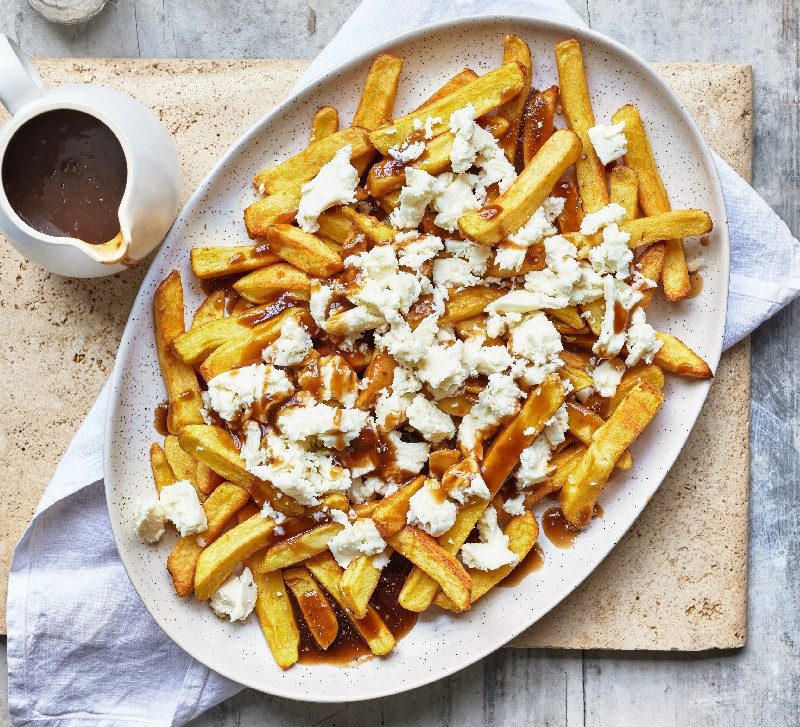
Clinical dietitians have introduced a high-protein cheesy fries substitute utilizing blended low-fat cottage cheese and air-fried potatoes. The recipe reduces calories and saturated fat by nearly 50% while providing over 15 grams of protein per serving, offering a cardiovascular-friendly alternative to ultra-processed fast-food comfort items.
NEW DELHI — Clinical dietitians and public health nutritionists have introduced a high-protein, low-fat alternative to traditional cheesy fries, addressing growing consumer demand for nutrient-dense comfort food substitutes. The culinary modification, detailed in dietary updates published on Sunday, August 2, 2026, utilizes blended cottage cheese (paneer) and nutritional yeast as a direct replacement for ultra-processed cheddar cheese sauces, offering a significant boost in dietary protein while drastically cutting saturated fat intake.
Health organizations and dietary experts emphasize that cardiovascular risk factors associated with deep-fried foods and high-sodium cheese sauces remain a major public health concern. By combining air-fried potato or sweet potato batons with a cultured dairy base, nutritionists aim to align daily snacking habits with national dietary guidelines without sacrificing essential macronutrient quality.
Nutritional Breakdown of the High-Protein Swap
Standard restaurant cheesy fries typically contain between 600 and 900 calories per serving, driven by deep-fat frying methods and processed cheese products loaded with emulsifying salts and saturated fats. In contrast, the updated protein-packed cheesy fries substitute leverages air-frying technology and a low-fat cottage cheese emulsion to rebalance the dish's macronutrient profile.
According to data from clinical nutrition databases, substituting cottage cheese for processed cheddar increases the protein content of the topping from roughly 4 grams to over 15 grams per quarter-cup serving. Cottage cheese is rich in casein protein, which digests slowly and helps maintain satiety, making it an effective tool for weight management and blood sugar stabilization.
Step-by-Step Culinary Preparation Method
Dietitians outline a simple four-step process to prepare the dish at home:
Base Preparation: Slice medium russet or sweet potatoes into uniform strips. Soak in cold water for 20 minutes to reduce surface starch, pat dry, and toss lightly with one teaspoon of olive oil and a pinch of sea salt.
Air-Frying: Cook the potato strips in an air fryer at 200°C (400°F) for 15 to 18 minutes, shaking the basket halfway through until crispy and golden.
Protein Sauce Emulsion: In a high-speed blender, combine 1 cup of low-fat cottage cheese, 1 tablespoon of nutritional yeast, 1/2 teaspoon of garlic powder, a splash of skim milk or unsweetened almond milk, and a dash of paprika. Blend until smooth and velvety.
Assembly: Warm the cottage cheese sauce gently over low heat, pour over the hot air-fried potatoes, and top with chopped chives or turkey bacon bits.
Impact on Consumer Health and Metabolic Wellness
The transition toward functional comfort foods comes amid rising metabolic disorders and obesity rates across urban demographics. Metabolic specialists note that consuming ultra-processed snacks high in refined carbohydrates and saturated fats triggers rapid glycemic spikes followed by sharp insulin drops, fostering continuous hunger cycles.
Integrating high-protein dairy alternatives slows gastric emptying, thereby dampening postprandial glucose surges. Clinical dietitians highlight that this adjustment is particularly beneficial for individuals managing Type 2 diabetes, insulin resistance, or athletic recovery goals requiring higher daily protein intake.
Official Sources Section
According to public health updates from the Indian Council of Medical Research (ICMR) and guidelines from the Academy of Nutrition and Dietetics, replacing saturated fats with lean protein and fiber-rich carbohydrates reduces long-term risks of cardiovascular disease. Official releases from food safety authorities further recommend air-frying techniques to minimize the formation of acrylamide, a chemical compound that can form in starch-rich foods during high-temperature deep frying.
Quote Section
"According to clinical nutritionists, transforming traditional fast-food staples into nutrient-dense meals is more sustainable for long-term health than strict dietary elimination," food safety researchers noted in recent public health briefings.
Dietitians stated that utilizing cottage cheese as a savory sauce base provides an accessible pathway for consumers to meet their daily protein requirements without adding unnecessary calories from hydrogenated oils and synthetic cheese additives.
Why It Matters
Adopting a protein-packed cheesy fries substitute offers practical metabolic and lifestyle benefits for health-conscious consumers:
Satiety Management: Higher protein content delays digestion, preventing mid-day energy crashes and overeating.
Cardiovascular Protection: Eliminates deep-frying oils and artificial trans fats, supporting healthy blood cholesterol levels.
Glycemic Control: Pairing fiber-rich potatoes with casein protein moderates post-meal blood sugar levels.
Cost-Effective Home Cooking: Utilizes widely available kitchen staples to replicate restaurant-style meals at a fraction of the cost.
Key Facts at a Glance
Protein Boost: Provides 15+ grams of protein per serving compared to under 4 grams in traditional cheese sauce.
Calorie Reduction: Reduces total dish calories by approximately 40% to 50% via air-frying and low-fat dairy.
Core Base: Uses blended low-fat cottage cheese (paneer) combined with nutritional yeast for flavor.
Preparation Time: Requires under 25 minutes using standard home kitchen appliances.
Frequently Asked Questions (FAQ)
What makes this cheesy fries substitute high in protein?
The high protein content comes from using low-fat cottage cheese or blended paneer as the primary sauce base instead of oil-based processed cheese or heavy cream.
Can sweet potatoes be used instead of regular white potatoes?
Yes. Sweet potatoes provide additional beta-carotene and dietary fiber, making them an excellent alternative for air-frying.
Does cottage cheese sauce taste like regular melted cheese?
When blended smoothly with nutritional yeast, garlic powder, and warm seasonings, cottage cheese achieves a creamy texture and savory flavor profile very similar to traditional warm cheese dips.
How does air-frying reduce health risks compared to deep frying?
Air-frying uses hot air circulation with minimal oil, cutting absorbed fat by up to 80% and significantly lowering calorie density and acrylamide formation.