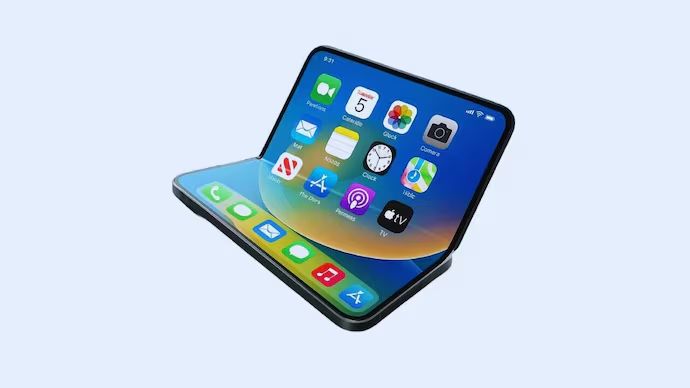
Conflicting supply chain reports have surfaced regarding the release schedule of Apple’s anticipated first foldable smartphone, widely referred to as the iPhone Fold or iPhone Ultra. While industry analysts debate whether manufacturing hurdles and hinge complexities will push the debut toward late 2026 or beyond, official confirmation remains pending.
Industry analysts and supply chain monitors weigh complex engineering hurdles against projected launch timelines for Apple's anticipated flexible device.
As technology markets closely monitor developments out of Cupertino, conflicting supply chain disclosures have sparked intense speculation regarding the launch timeline of Apple’s highly anticipated first foldable iPhone. Reports originating from financial analysts and manufacturing trackers indicate that while pre-production work and component sampling have advanced, ongoing engineering complexities tied to hinge durability and ultra-thin display structures could impact the final commercial rollout. Although earlier market projections anticipated a concurrent unveiling alongside upcoming flagship models, recent supply chain adjustments have left the exact debut date open to debate.
Manufacturing Complexities and Engineering Challenges
Developing a commercially viable folding smartphone presents distinct structural hurdles that set it apart from traditional slab-style handsets. According to institutional tech researchers, Apple has placed primary emphasis on eliminating visible screen creases and ensuring long-term mechanical resilience through advanced titanium-aluminum alloy framing.
Key factors influencing the development trajectory include:
Display Panel Fabrication: Achieving an unblemished folding glass interface requires specialized Color-on-Encapsulation (CoE) OLED panels that meet strict durability thresholds.
Hinge Mechanism Design: Precision engineering of multi-component friction hinges remains a critical focal point to prevent mechanical degradation over thousands of folding cycles.
Component Shrinkage: Balancing internal battery density, thermal dissipation, and ultra-thin chassis profiles introduces severe assembly constraints for manufacturing partners like Foxconn.
Yield Rate Optimization: Initial mass-production batches often experience lower component yield rates, which can restrict immediate retail availability upon official market introduction.
Impact on Consumers, Investors, and Market Competitors
For prospective consumers and tech enthusiasts, potential scheduling adjustments mean anticipation for Apple's entry into the foldable category will extend further as engineering standards are finalized. For technology investors, close monitoring of component orders provides valuable insight into how the corporation manages complex supply chains amidst broader global semiconductor and memory constraints. Competitors in the foldable device sector continue to observe how Apple's hardware entry will reshape premium consumer expectations and pricing benchmarks above the $2,000 threshold.
Why It Matters
The introduction of Apple’s first foldable device represents a landmark shift for the ultra-premium mobile segment. Monitoring development milestones provides clarity on how major consumer electronics manufacturers balance cutting-edge material science with large-scale commercial manufacturing realities.
Key Facts at a Glance
Device Focus: Apple's first book-style foldable smartphone (widely tracked as iPhone Fold or iPhone Ultra).
Core Engineering Focus: Elimination of screen creases and development of advanced structural hinges.
Market Context: Conflicting reports point to potential schedule shifts from late-summer targets toward the end of the year.
Estimated Positioning: Targeted at the ultra-premium tier with advanced multi-gigabyte RAM configurations and bespoke chipsets.
FAQ Section
Why are there rumors surrounding a delay for Apple's foldable iPhone?
Reports indicate that complex manufacturing hurdles—specifically regarding ultra-thin display durability, hinge mechanisms, and component yields—have sparked speculation about potential timeline adjustments.
What form factor is Apple's first foldable device expected to use?
Industry reports and leaked design specifications point toward a book-style folding architecture featuring an exterior cover screen and a larger internal tablet-sized display.
Has Apple officially announced a release date for a foldable phone?
No. Apple has not made any official public announcements or press disclosures confirming specific release dates or commercial specifications for a foldable handset.
Where can consumers check verified updates regarding future Apple device releases?
Official product launch announcements and press releases are published directly through the Apple Newsroom Portal.
Source: MacRumors, Bloomberg, Apple Investor Relations, TechTimes Industry Desk