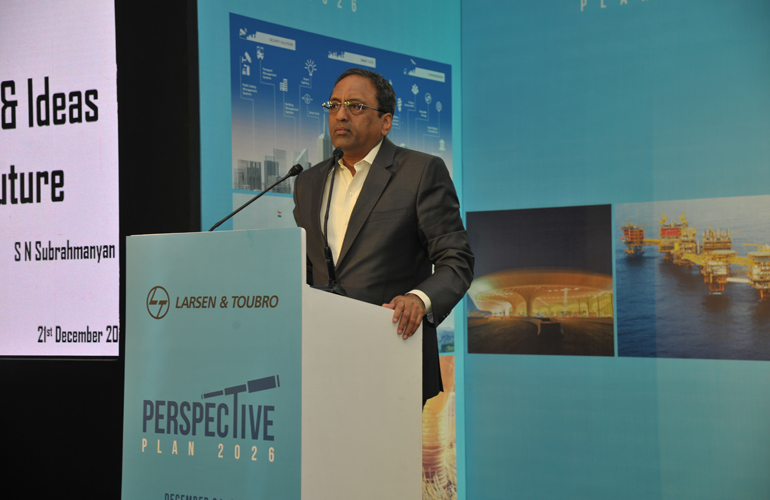
Larsen & Toubro is shifting strategic direction by transitioning from a pure-play engineering, procurement, and construction contractor into a long-term owner of green hydrogen, data center, and semiconductor infrastructure. Under its strategic framework, the conglomerate is committing tens of thousands of crores to capture recurring, technology-driven revenue streams.
MUMBAI — Infrastructure giant Larsen & Toubro (L&T) is executing a strategic realignments of its core business model, shifting from building major infrastructure projects exclusively for third-party clients to directly acquiring and managing high-growth technology assets. The strategy marks a transition for India’s largest engineering, procurement, and construction (EPC) enterprise as it seeks sustained long-term returns from energy transition and digital infrastructure ecosystems.
Under its current multi-year strategic blueprint, the Mumbai-headquartered multinational is allocating capital directly toward developing green hydrogen plants, hyper-scale data centers, and semiconductor chip design IP assets. By retaining ownership of these capital-intensive facilities rather than handing them over upon construction completion, the company aims to build predictable, annuity-style cash flows while capturing higher profit margins across the infrastructure lifecycle.
Transitioning from EPC Contracting to Asset Ownership
For over eight decades, L&T built its market leadership through turnkey construction services across heavy civil structures, power transmission systems, and industrial plants. While EPC contracts generate substantial top-line revenue—with the group's consolidated order book surpassing ₹5.5 lakh crore—they expose contractors to raw material price volatility, fixed-bid margin compression, and client payment delays.
Direct asset ownership allows the company to participate in the entire value chain. In the clean energy sector, L&T has committed nearly ₹15,000 crore to construct, operate, and own green hydrogen and green ammonia manufacturing hubs via specialized operating vehicles. This capital positioning aligns with global decarbonization policies and national energy transition mandates across India and the Middle East.
Targeted Capital Allocation in Next-Generation Tech
The strategy balances physical infrastructure development with critical digital and high-technology assets. The company's strategic blueprint outlines a targeted capital deployment framework spanning several core verticals:
Green Hydrogen & Clean Energy: Earmarking approximately ₹15,000 crore for green hydrogen generation capacity, electrolyzer manufacturing units, and energy storage infrastructure to supply industrial consumers.
Hyper-Scale Data Centers: Directing around ₹10,000 crore to construct, own, and host AI-ready data center facilities designed for cloud service providers and enterprise workloads.
Semiconductor IP & Fabless Design: Investing ₹3,000 crore in semiconductor design capabilities, strategic IP acquisition, and specialized chip architecture for industrial automation, automotive, and power electronics.
Industrial Automation & Electronics: Allocating ₹5,000 crore toward proprietary industrial robotics, sensor networks, and advanced manufacturing platforms.
Operational and Financial Impact Across Stakeholders
This structural pivot introduces operational changes for institutional investors, enterprise customers, and energy consumers:
For Investors: The shift introduces recurring asset-backed cash flows into L&T's traditional project-based revenue profile, mitigating the quarter-to-quarter cyclicality of engineering contract awards.
For Enterprise Clients: Technology companies and industrial users gain access to developer-owned data center nodes and green hydrogen capacity built by an in-house engineering team.
For the Broader Market: L&T’s dual role as both EPC contractor and asset owner strengthens India's domestic supply chain resilience in critical sectors like semiconductor design and renewable energy generation.
Official Sources Section
All strategic investment details, project allocations, and corporate transformation objectives referenced in this report originate from official announcements and strategic disclosures issued by Larsen & Toubro Corporate, company regulatory filings submitted to the National Stock Exchange of India, and investor briefings published by L&T Investor Relations.
Quote Section
According to official strategic statements issued by company leadership during corporate updates:
"Our capital strategy focuses on sectors set to witness sustained long-term growth globally over the coming decade. By building proprietary capabilities in green hydrogen, data infrastructure, and semiconductor technology, the group is laying the groundwork for technology-driven, high-margin revenue streams alongside our traditional engineering leadership."
According to industry analysts reviewing global EPC trends:
"Contractors worldwide face tightening margins on standard construction tenders. Moving up the value chain to own the infrastructure assets—especially in fast-growing sectors like data hosting and clean fuels—allows engineering firms to leverage their operational scale for recurring dividend yields."
Why It Matters
L&T’s strategic pivot reflects a broader structural evolution among global engineering heavyweights. As energy networks transition away from fossil fuels and industrial operations digitize, companies capable of funding, building, and operating advanced infrastructure gain a distinct competitive advantage over pure-play contractors dependent on third-party capital.
Key Facts at a Glance
Strategic Pivot: L&T is expanding from contract construction into long-term asset ownership across high-growth technology sectors.
Clean Energy Commitment: Allocation of ₹15,000 crore specifically dedicated to green hydrogen, electrolyzers, and clean fuel infrastructure.
Digital Infrastructure Expansion: Planned investment of ₹10,000 crore toward hyper-scale, AI-ready data center assets.
Semiconductor Push: Investment of ₹3,000 crore targeting fabless chip design, IP acquisitions, and power electronics.
Frequently Asked Questions (FAQ)
Q1: Is L&T completely exiting its traditional EPC construction business?
A: No. Engineering, Procurement, and Construction (EPC) remains L&T's baseline operation with an active order book exceeding ₹5.5 lakh crore. The asset ownership model represents a complementary, high-margin growth engine alongside traditional contracting.
Q2: Which new asset classes is L&T prioritizing for direct ownership?
A: The company is primarily targeting green hydrogen production facilities, hyper-scale data centers, semiconductor design IP, and automated industrial electronics platforms.
Q3: How does owning infrastructure assets benefit long-term equity investors?
A: Direct asset ownership provides predictable, long-term operational revenue (such as data center leasing or green hydrogen supply contracts) which offsets the variable, project-by-project margins typical of standard construction bids.
Source: Larsen & Toubro Corporate, National Stock Exchange of India, L&T Investor Relations Desk.