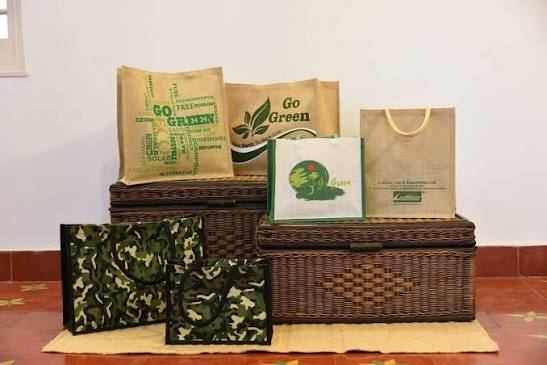
Ludlow Jute & Specialities Ltd announced a net profit of 64.3 million rupees on revenue from operations of 1.89 billion rupees for the June quarter. The Kolkata-based manufacturer benefited from raw material cost stabilization, disciplined operational execution, and consistent demand under national agricultural packaging mandates, according to regulatory filings submitted to BSE.
KOLKATA, India — Indian jute manufacturer Ludlow Jute & Specialities Ltd reported a net profit of 64.3 million rupees ($6.43 crore) for the June quarter, marking a significant financial recovery for the Kolkata-headquartered company. According to quarterly financial statements submitted to Indian stock exchanges, the textile manufacturer posted revenue from operations of 1.89 billion rupees ($189 crore) for the three-month period ending June 30. The improved earnings performance comes amid shifting dynamics in the domestic packaging sector, government procurement mandates for agricultural packaging, and regulatory measures aimed at stabilizing the Indian jute industry against international competition.
Operational Recovery Drives Quarterly Revenue Growth
The latest financial results mark a notable shift from previous loss-making quarters, reflecting improved capacity utilization at the company's manufacturing facilities in West Bengal. Revenue from operations reached 1.89 billion rupees, driven by steady off-take of traditional jute sacks, high-grade yarn, and specialized decorative fabrics.
Operational performance benefited from stabilized raw material costs and consistent orders from government procurement agencies. Jute manufacturers in India rely heavily on mandatory packaging orders under the Jute Packaging Materials (Compulsory Use in Packing Commodities) Act, 1987, which requires foodgrains and sugar to be packed in eco-friendly jute bags.
Company filings indicate that lower raw material volatility during the quarter allowed Ludlow Jute to widen its operating margins. Lower input costs, coupled with disciplined control over manufacturing expenses, directly contributed to the net profit figure of 64.3 million rupees.
Regulatory Context and Industry Dynamics
The financial recovery for domestic manufacturers like Ludlow Jute comes during an active policy environment for the Indian textile sector. The Ministry of Textiles and regulatory bodies including the Directorate General of Trade Remedies (DGTR) have kept a close watch on trade inflows affecting the domestic market.
Indian manufacturers have actively engaged with trade regulators regarding anti-dumping measures and import surveillance on jute goods originating from neighboring countries such as Bangladesh and Nepal. Domestic industry groups have advocated for enhanced anti-dumping duties to ensure fair pricing mechanisms in local markets.
The stabilization of domestic prices has enabled Kolkata-based mills to maintain predictable production schedules, reducing raw material procurement risk and improving quarterly earnings predictability.
Strategic Impact on Markets, Investors, and Supply Chains
The quarterly earnings report provides key indications for shareholders, supply chain partners, and institutional investors in the Indian textile and small-cap manufacturing segments:
Investors and Shareholders: The profit of 64.3 million rupees reassures equity investors regarding balance sheet resilience after prior periods of margin compression.
Jute Farmers and Supply Chains: Steady factory output at Ludlow Jute supports demand for raw jute cultivation across agrarian districts in West Bengal and Bihar.
Industrial Buyers: Consistent production ensures uninterrupted supply of B-Twill bags, hessian cloth, and specialty jute products for domestic sugar mills and grain distribution corporations.
Official Sources and Regulatory Disclosures
The financial figures quoted in this report reflect official regulatory filings submitted by Ludlow Jute & Specialities Ltd. The company filed its unaudited financial results with the BSE Limited following board approval and limited review by statutory auditors, in compliance with Regulation 33 of the SEBI (Listing Obligations and Disclosure Requirements) Regulations, 2015.
Further contextual information regarding trade regulations and packaging standards derives from public releases issued by the Ministry of Textiles and the Ministry of Finance.
Official Statement and Management Commentary
According to officials familiar with the quarterly filings, the board of directors reviewed and took on record the financial performance during their scheduled quarterly meeting.
"The results reflect a disciplined focus on cost efficiency, steady execution of institutional packaging orders, and improved operational stability across manufacturing units," company representatives noted in regulatory statements accompanying the financial submission.
Why It Matters
The financial performance of Ludlow Jute & Specialities Ltd serves as an important barometer for India's traditional jute industry, centered largely along the Hooghly basin in West Bengal. As global supply chains pivot toward eco-friendly, biodegradable packaging alternatives, domestic jute manufacturers face both structural opportunities and cost challenges.
A return to quarterly profitability highlights the sector's operational resilience when supported by predictable regulatory mandates and stable raw fiber pricing.
Key Facts at a Glance
Revenue from Operations: 1.89 billion rupees for the June quarter.
Net Profit: 64.3 million rupees for the June quarter.
Primary Headquarters: Kolkata, West Bengal, India.
Regulatory Compliance: Submitted to stock exchanges under SEBI LODR Regulation 33 guidelines.
Core Business Segment: Jute yarn, Hessian, B-Twill bags, and specialized jute textile goods.
Frequently Asked Questions (FAQ)
What were Ludlow Jute's main financial metrics for the June quarter?
Ludlow Jute & Specialities Ltd reported revenue from operations of 1.89 billion rupees and a net profit of 64.3 million rupees for the June quarter.
Where is Ludlow Jute & Specialities Ltd based?
The company is headquartered in Kolkata, West Bengal, India, operating primarily within the jute and eco-friendly textile manufacturing sector.
Which regulatory filings verify these financial results?
The financial results were submitted directly to the BSE Limited as part of the company's statutory quarterly disclosure requirements under SEBI regulations.
What factors influenced the company's quarterly profitability?
Key drivers included stabilized raw material prices, consistent demand under mandatory government packaging norms, and improved operational efficiency across manufacturing operations.
Source: Official financial disclosures filed with BSE Limited, trade regulation notifications from the Ministry of Textiles, and policy announcements from the Ministry of Finance.