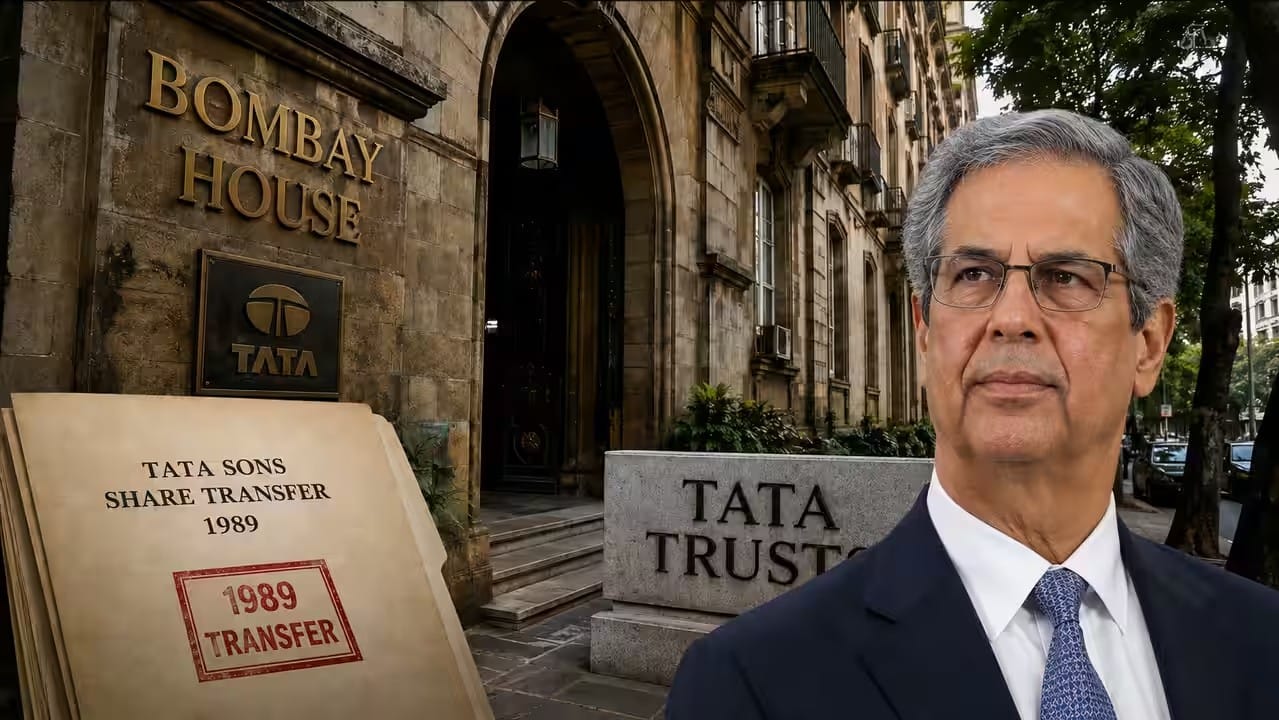
The Maharashtra Charity Commissioner has closed an inquiry into a 1989 transfer of 833 Tata Sons shares from the Navajbai Ratan Tata Trust to Naval H. Tata, ruling the transaction fully compliant with historical tax and corporate laws. The decision provides structural relief to Tata Trusts amid ongoing governance reviews.
Overview of the Charity Commissioner's Ruling
In an order dated September 2, State Charity Commissioner Amogh S. Kaloti closed the inquiry into the three-decade-old transaction involving the Navajbai Ratan Tata Trust (NRTT). The regulatory review evaluated whether the historical move violated public trust laws or corporate governance standards. According to the authority, the transfer was executed in full compliance with the laws applicable at the time, driven by tax considerations, and backed by appropriate valuation and documentation.
The dispute had resurfaced amid broader stakeholder discussions regarding leadership succession and governance alignment within the Tata Group. Complainants had previously questioned the legality of passing the 833 ordinary shares to Naval H Tata—the father of Ratan Tata, Jimmy Tata, and Noel Tata—shortly after his resignation as an NRTT trustee.
Background and Context of the 1989 Transaction
Regulatory scrutiny focused on events beginning in 1984, when amendments to India's Income Tax Act threatened the tax-exempt status of charitable trusts holding securities outside prescribed investments. Subsequent decisions by the Central Board of Direct Taxes (CBDT) in November 1988 declined to recognize NRTT as a national trust, exposing its holdings in Tata Sons Private Limited to potential tax liabilities.
To safeguard the trust's corpus, trustees sought legal counsel from eminent jurist Nani A. Palkhivala. Records showed that Naval H. Tata had resigned as an NRTT trustee effective January 1, 1988—a change formally acknowledged in February 1990. Legal advice confirmed no bar existed preventing him from purchasing the shares independently since he no longer held an active trusteeship. The 833 shares were valued at 1,914 rupees per share based on wealth-tax assessment standards, totaling a consideration of 15.94 lakh rupees, which yielded a profit for the trust.
Official Sources and Regulatory Findings
State regulatory filings and formal administrative reviews formed the core of the proceedings.
According to official announcements from Tata Trusts and the state regulatory body, the investigation concluded that the transaction was neither arbitrary nor sudden. The Charity Commissioner noted that the trust successfully established five core elements: the necessity of the sale for tax compliance, proper documentation, established profit valuation for the trust, preservation of family-holding restrictions, and adherence to statutory frameworks.
Furthermore, the order addressed internal dissent, specifically criticizing the conduct of NRTT trustee Vijay Singh as unbecoming after he initially endorsed the transaction's legality before subsequently seeking an independent review.
Organizers stated that the regulatory clearance resolves long-standing questions regarding historical asset management inside the philanthropic frameworks governing the conglomerate.
Practical Implications for Stakeholders
The dismissal provides institutional clarity and legal stability for the leadership structure of Tata Trusts, particularly supporting Noel Tata, who inherited portions of the legacy holdings. For investors, business analysts, and market watchers, the closure eliminates a potential legal overhang that threatened to complicate governance discussions at the group's holding entity, Tata Sons.
Key Facts at a Glance
Transaction Date: January 18, 1989.
Asset Involved: 833 ordinary shares of Tata Sons.
Regulatory Body: Office of the Maharashtra Charity Commissioner.
Order Date: September 2, 2026.
Primary Finding: Transaction executed in full compliance with historical tax and corporate guidelines.
Frequently Asked Questions
What was the core allegation regarding the Tata Sons shares?
The complaint questioned whether the 1989 transfer of 833 shares from the Navajbai Ratan Tata Trust to Naval H. Tata breached fiduciary duties or violated corporate regulations.
Why were the shares transferred in 1989?
The transfer was executed to address impending tax liabilities under amendments to the Income Tax Act that threatened the tax-exempt status of charitable trusts holding non-prescribed securities.
Who investigated the complaint?
The inquiry was conducted and resolved by the Maharashtra Charity Commissioner's office under State Charity Commissioner Amogh S. Kaloti.
What impact does this ruling have on current leadership?
The decision removes a legal obstacle that had been leveraged by critics to challenge administrative oversight within Tata Trusts.
Source: Maharashtra Charity Commissioner Office, Tata Trusts Official Statements