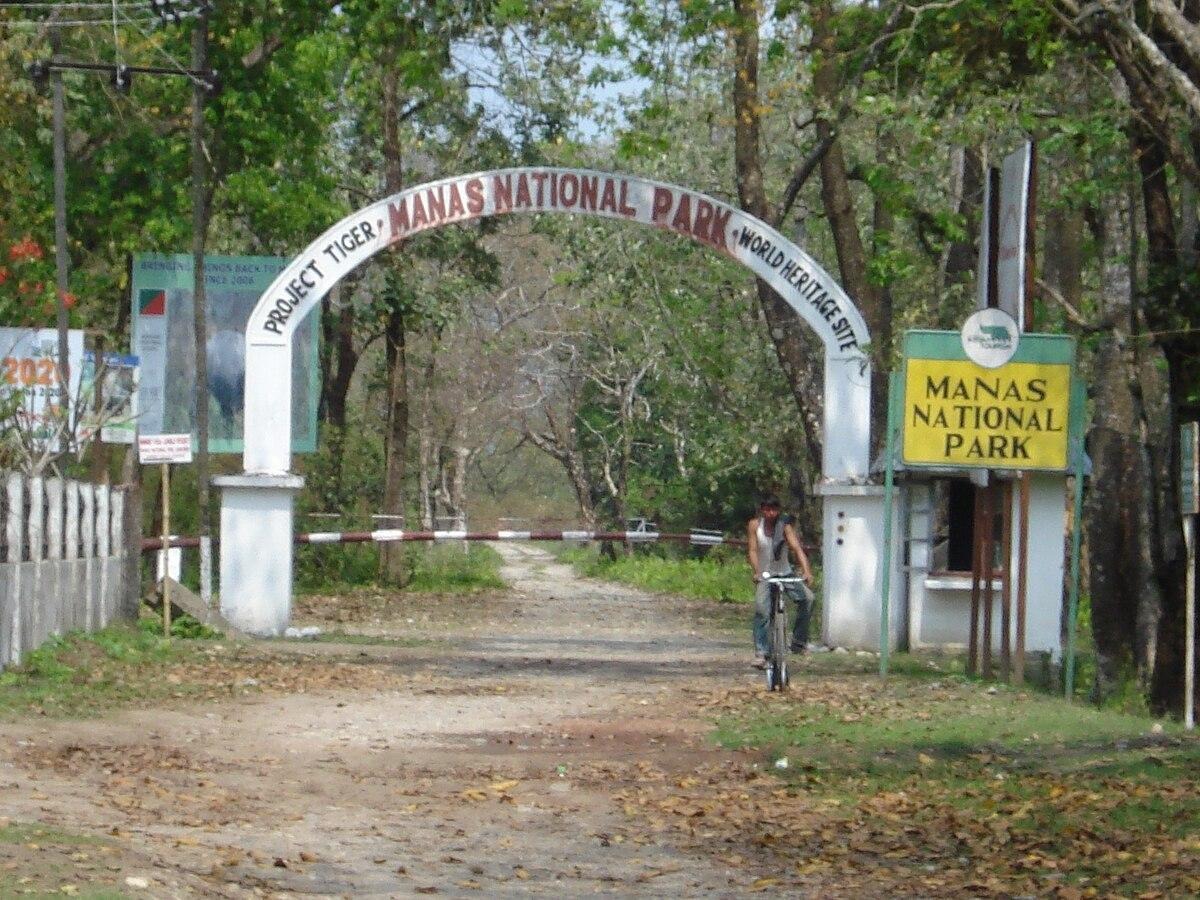
Manas Tiger Reserve has lost over 43% of its grassland cover since 1990 due to 14 invasive plant species, including Lantana camara and Chromolaena odorata. This ecological shift, exacerbated by past civil unrest, threatens endangered species like the Indian rhinoceros and pygmy hog by turning open meadows into impenetrable, inedible woodlands.
Over 30 years, 14 invasive plant species have driven a drastic decline in grassland cover, threatening the habitats of the Indian rhinoceros, pygmy hog, and other endangered species in one of India's first tiger reserves.
GUWAHATI — A new analysis of habitat data from the Manas Tiger Reserve has revealed a significant environmental crisis. According to findings from the Forest Department in Assam’s Bodoland Territorial Council (BTC), the reserve has experienced a relative grassland loss of 43.59% since 1990. This decline in open-meadow ecosystems, which are critical for survival, has sparked urgent concern among wildlife conservationists and park officials.
The data shows that grassland cover within the 2,837.31 sq. km reserve dropped from 53.61% in 1990 to 30.24% by 2019. This contraction of native habitats has fundamentally altered the park's ecological structure, favoring the expansion of woody woodlands over the open savanna-like landscapes that mega-herbivores depend on.
The Role of Invasive Alien Species
While Manas Tiger Reserve currently holds a higher forest density than it did three decades ago, officials warn that this "greening" is largely deceptive. The vacuum left by disappearing native grasses has been filled by 14 aggressive invasive plant species.
These invasives, which are typically avoided by herbivores, are rapidly outcompeting native flora. Key species identified in the report include:
Shrubs: Chromolaena odorata (Siam weed), Mikania micrantha (mile-a-minute weed), Lantana camara, and Leea asiatica.
Woody Species: Bombax ceiba and Dillenia pentagyna, which are accelerating the succession of grasslands into dense, scrubby woodlands.
A BTC Forest official noted that these invasive species have effectively constricted the native vegetation required by the park's rare mega-herbivores, including the Indian rhinoceros, Asian elephant, eastern swamp deer, and the highly endangered pygmy hog and hispid hare.
Anthropogenic and Ecological Drivers
The loss of grassland is attributed to a "combination of ecological and anthropogenic factors," according to park authorities. The period between 1988 and 2004 was particularly damaging, as civil unrest and extremism in the region severely disrupted traditional habitat management practices.
Without regular controlled fires and the maintenance of grazing pressures—which declined following the sharp drop in large herbivore populations during the poaching crisis of the early 2000s—the grasslands were left vulnerable to colonization. The expansion of woodland areas within the core tiger habitat, which grew from 40.42% in 1990 to 60.62% in 2019, has had a domino effect on the food chain, ultimately impacting apex predators like tigers and leopards.
Official Sources
The data cited is based on official records released by the Forest Department in Assam’s Bodoland Territorial Council (BTC). Conservation management plans for the reserve are currently being reviewed to prioritize weed eradication and habitat restoration, following the assessment that invasive species have fundamentally compromised the park's ecological integrity.
Why It Matters
The degradation of Manas Tiger Reserve highlights a broader struggle across India's protected areas. Grasslands are among the most threatened ecosystems globally, yet they are often overlooked in favor of dense forest conservation. For species like the pygmy hog and hispid hare, which are found only in these specific grassland niches, the "woodland takeover" represents an existential threat that simple reforestation cannot solve.
Key Facts at a Glance
Grassland Decline: Total cover dropped from 53.61% in 1990 to 30.24% in 2019.
Relative Loss: Manas Tiger Reserve has lost 43.59% of its grassland habitat over the past three decades.
Primary Drivers: Invasion by 14 non-native species, coupled with past civil unrest and reduced herbivore grazing pressure.
Impacted Wildlife: Indian rhinoceros, pygmy hog, hispid hare, eastern swamp deer, Asian elephant, and wild water buffalo.
FAQ Section
Why is the loss of grassland a problem for tigers? Tigers rely on large populations of herbivores like swamp deer and gaur, which in turn require healthy grasslands for food. Habitat loss leads to declining prey numbers, which eventually affects predator survival.
What are the most problematic plants? The report highlights 14 species, most notably Chromolaena odorata, Mikania micrantha, Lantana camara, and Leea asiatica.
Can the grasslands be restored? Yes, conservationists suggest that active management, including controlled burning, uprooting invasive weeds, and restoring herbivore populations, is essential for habitat recovery.
Is this limited to Manas Tiger Reserve? While this data is specific to Manas, many other Indian tiger reserves, including Corbett and Bandipur, are battling similar invasions of Lantana camara and other alien species.
Source: The Hindu | Bodoland Territorial Council Forest Department