




Loading market data...
ADVERTISEMENT

Latest Top News
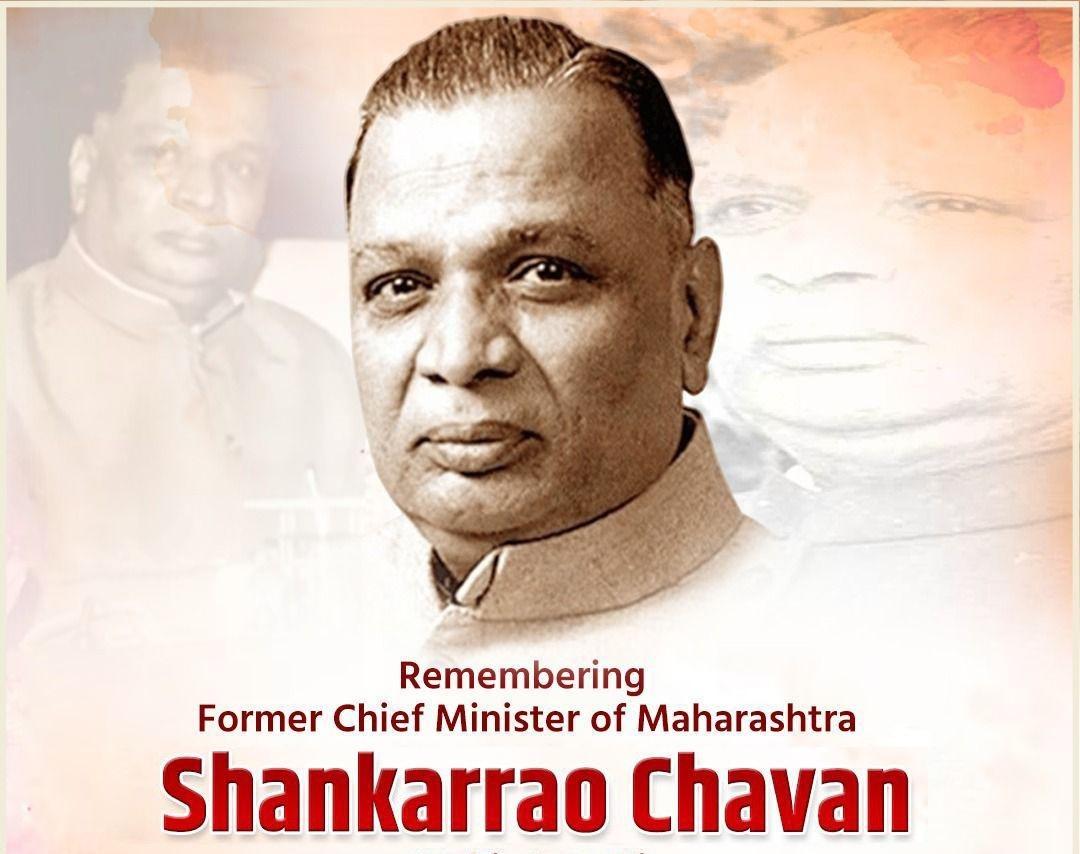
March 13, 1986: The Day Chavan Returned To Lead Maharashtra
Shankarrao Chavan was sworn in as Chief Minister of Maharashtra on March 13, 1986, following the resignation of Shivajirao Patil Nilangekar. This marked Chavan’s second tenure as CM, lasting until June 1988, and reflected Congress’s effort to stabilize governance during a politically turbulent period.
Stay Ahead – Explore Now! Dhamaal 4 Release Date Validated: Film Hits Theatres July 10, 2026
ADVERTISEMENT

Latest Updates

India Restricts Access to Telegram Platform Nation...
16 Jun 2026, 10:48 AM
Bandhan Bank Board Approves ₹303.74 Crore Housing...
16 Jun 2026, 10:34 AM
Nifty 50 Index Advances 0.50% in Early Trading Ses...
16 Jun 2026, 10:43 AM
RBI Allots ₹894.40 Billion at 7-Day Variable Rate...
16 Jun 2026, 10:40 AM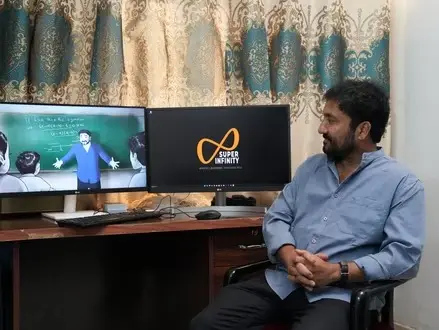
Super 30 Founder Anand Kumar Launches Free Global...
16 Jun 2026, 10:30 AMADVERTISEMENT

Top Stories
India Restricts Access to Telegram Platform Nation...
16 Jun 2026, 10:48 AM
Bandhan Bank Board Approves ₹303.74 Crore Housing...
16 Jun 2026, 10:34 AM
Nifty 50 Index Advances 0.50% in Early Trading Ses...
16 Jun 2026, 10:43 AM