




Loading market data...
ADVERTISEMENT

Latest Top News
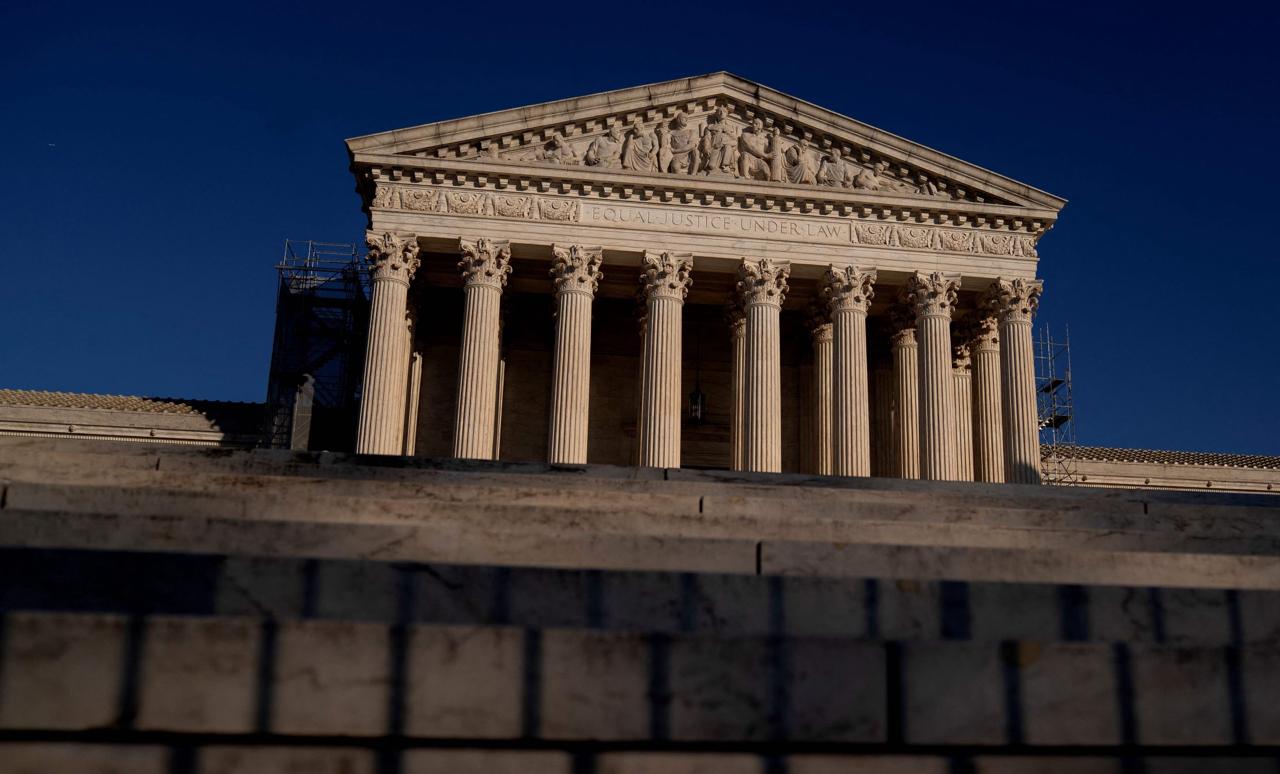
US Supreme Court Ruling on IEEPA Tariffs: What It Means for India
The US Supreme Court’s 6–3 ruling on February 20, 2026, striking down President Trump’s use of the International Emergency Economic Powers Act (IEEPA) to impose tariffs, has major implications for India. While it removes a key tariff weapon, India must still navigate new U.S. trade measures and evolving global trade dynamics.
Stay Ahead – Explore Now! Last Date to Buy Brigade Enterprises Shares for 1:3 Bonus Issue
ADVERTISEMENT

Latest Updates

Haryana Urges Private Sector to Adopt Work-From-Ho...
16 Jun 2026, 11:37 AM
UPSC Declares Civil Services Prelims 2026 Results
16 Jun 2026, 11:30 AM
Highway Infrastructure Limited Contract Terminated...
16 Jun 2026, 11:27 AM
Neeraj Chopra to Make Competitive Return at Doha D...
16 Jun 2026, 11:07 AM
Marine Electricals Bags Contracts Totaling ₹763.8...
16 Jun 2026, 11:04 AMADVERTISEMENT

Top Stories
Haryana Urges Private Sector to Adopt Work-From-Ho...
16 Jun 2026, 11:37 AM
UPSC Declares Civil Services Prelims 2026 Results
16 Jun 2026, 11:30 AM
Highway Infrastructure Limited Contract Terminated...
16 Jun 2026, 11:27 AM