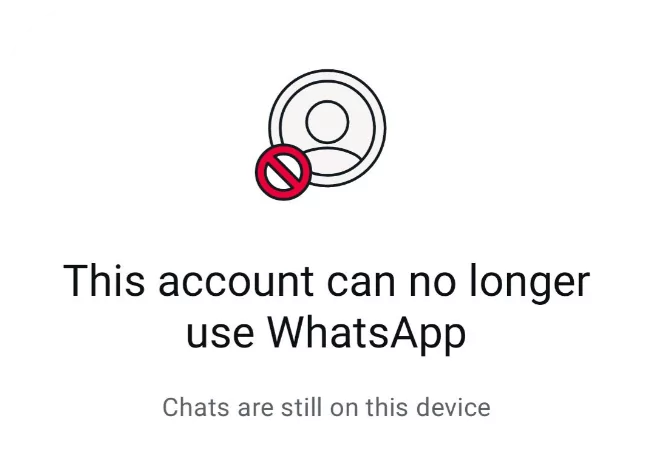
WhatsApp has officially terminated service for smartphones running Android 5.0 and 5.1 Lollipop, establishing Android 6.0 Marshmallow as the new minimum software standard. The global update prevents older Android users from sending messages or operating WhatsApp Business accounts without upgrading their device hardware to preserve communications security.
MENLO PARK, Calif. — Meta Platforms Inc. officially terminated support for devices running Android 5.0 and 5.1 Lollipop on September 8, 2026, requiring users to operate Android 6.0 Marshmallow or newer to access the messaging network. The policy change cuts off service for smartphone owners who cannot upgrade their device firmware, affecting both consumer accounts and WhatsApp Business profiles worldwide. The decision represents an annual phase-out routine designed to withdraw support from legacy operating platforms that lack current cryptographic security mechanisms and cannot run modern background services.
Operating System Baseline Shifted to Android 6.0
Under the revised policy published by Meta's messaging division, Android users can no longer use WhatsApp if their handsets are restricted to Android Lollipop versions released between 2014 and 2015. The minimum threshold has advanced to Android 6.0 Marshmallow, initially introduced in late 2015. Devices unable to install firmware updates beyond Android 5.1 can no longer transmit chats, make Voice-over-IP calls, or back up conversation databases to cloud servers.
WhatsApp explained that periodic system assessments focus on operating software holding the smallest active shares and the oldest baseline architecture. Handsets locked to earlier software revisions often run outdated application programming interfaces (APIs) that do not support modern end-to-end encryption modifications, multi-device synchronization, or real-time media processing protocols.
| Platform Tier | Previous Status | Current Status (Effective Sept. 8, 2026) |
| Android 5.0 to 5.1 (Lollipop) | Supported | Obsolete / Access Terminated |
| Android 6.0 (Marshmallow) and newer | Supported | Minimum Requirement |
| iOS 15.1 to 15.4 | Supported | Scheduled cutoff Nov. 30, 2026 (Req: iOS 15.5+) |
| KaiOS (Select devices) | Evaluated on device basis | Limited device certification |
Affected Smartphone Models and Hardware Lifecycles
Meta has not published a restrictive brand blacklist, as compatibility is governed entirely by the device's installed operating system build rather than branding. However, the software threshold broadly excludes legacy flagship and mid-range handsets that stopped receiving manufacturer updates during the Lollipop generation.
Prominent devices unable to update past Android 5.1 without third-party modifications include earlier iterations such as the Samsung Galaxy S4, Galaxy Note 3, Sony Xperia Z, HTC One M7, LG G2, and original Motorola Moto G units. While these devices represent a fractional percentage of active hardware worldwide, millions of functional units remain in secondary circulation across developing telecommunication corridors, emerging markets, and commercial backup inventories.
In addition, hardware requirements continue to dictate that an eligible smartphone must maintain the capacity to receive SMS verification codes or cellular phone calls over a cellular network to authenticate registration, as standalone Wi-Fi activations remain prohibited.
Consumer and Enterprise Business Impact
The termination directly influences personal connectivity, financial services, and localized enterprise commerce that rely heavily on the Meta-owned communication backbone.
Disruption for Informal Micro-Enterprises
In regions where WhatsApp Business functions as an informal point-of-sale catalog, small retail merchants relying on repurposed second-hand smartphones face immediate disruption. Failure to upgrade device hardware prevents business owners from processing consumer queries, sending automated invoices, or maintaining client records.
Device Replacement and Secondary Market Pressures
Consumers holding obsolete hardware must replace their physical handsets or obtain compatible second-hand smartphones operating at least Android 6.0. Telecom carriers and trade-in vendors expect a moderate uptick in entry-level handset acquisitions as budget-conscious subscribers transition away from aging hardware to retain essential family messaging channels.
Cybersecurity and Scam Vulnerabilities
Devices running ten-year-old operating systems lack modern security patches from Google and third-party vendors. Security researchers note that operating communications platforms on unpatched firmware exposes private credentials to malware, justifying the withdrawal of encrypted communications clients from obsolete operating systems.
Official Sources
Operating parameters, system timelines, and technical baseline guidelines originate directly from official technical bulletins and platform repositories:
Official Statements
Meta reiterated its operational policy through standard engineering advisory channels:
"Every year we look at which devices and software are the oldest and have the fewest users," the company noted in official documentation outlining supported operating parameters. "These devices also might not have the latest security updates, or might lack the functionality required to run WhatsApp."
Network analysts affirmed the practical necessity of the migration:
According to officials tracking telecommunications standards, messaging platforms face rising compliance and cybersecurity hurdles that cannot be mitigated on operating systems lacking contemporary kernel security controls.
Why It Matters
Because WhatsApp maintains over two billion active global users, software phase-outs compel older Android users who can no longer use WhatsApp to decide between purchasing replacement electronics or migrating to alternative unencrypted messaging channels. The decision reflects a persistent industry transition pushing consumers away from decade-old hardware to ensure minimum encryption and platform integrity across global telecommunications.
Key Facts at a Glance
Enforcement Date: Effective September 8, 2026, WhatsApp access is shut down on devices with Android 5.0 and Android 5.1 Lollipop.
New Minimum Requirement: Android users must operate Android 6.0 Marshmallow or newer to retain access.
Services Impacted: Full service termination applies to standard messaging, WhatsApp Business, audio/video calling, and cloud backups.
Upcoming Apple Threshold: An upcoming iOS deadline will raise the minimum Apple requirement to iOS 15.5 starting November 30, 2026.
Frequently Asked Questions
Which Android users can no longer use WhatsApp following the latest update?
Users operating devices running Android 5.0 Lollipop or Android 5.1 Lollipop can no longer use WhatsApp unless they upgrade their operating system to Android 6.0 or purchase a newer handset.
How can I check which version of Android my phone is running?
Open the device's Settings menu, scroll to About Phone or System, and select Software Information to verify your Android version.
Can older Android users recover their chat history without buying a new phone?
Users who did not export or synchronize their chat history to Google Drive prior to September 8, 2026, cannot initiate new cloud backups from an unsupported operating system. Once logged into a compatible Android 6.0+ device with the same phone number, existing cloud backups can be restored.
Source: WhatsApp Official Help Center Documentation, Meta Platforms Investor Relations, Google Android Open Source Project.