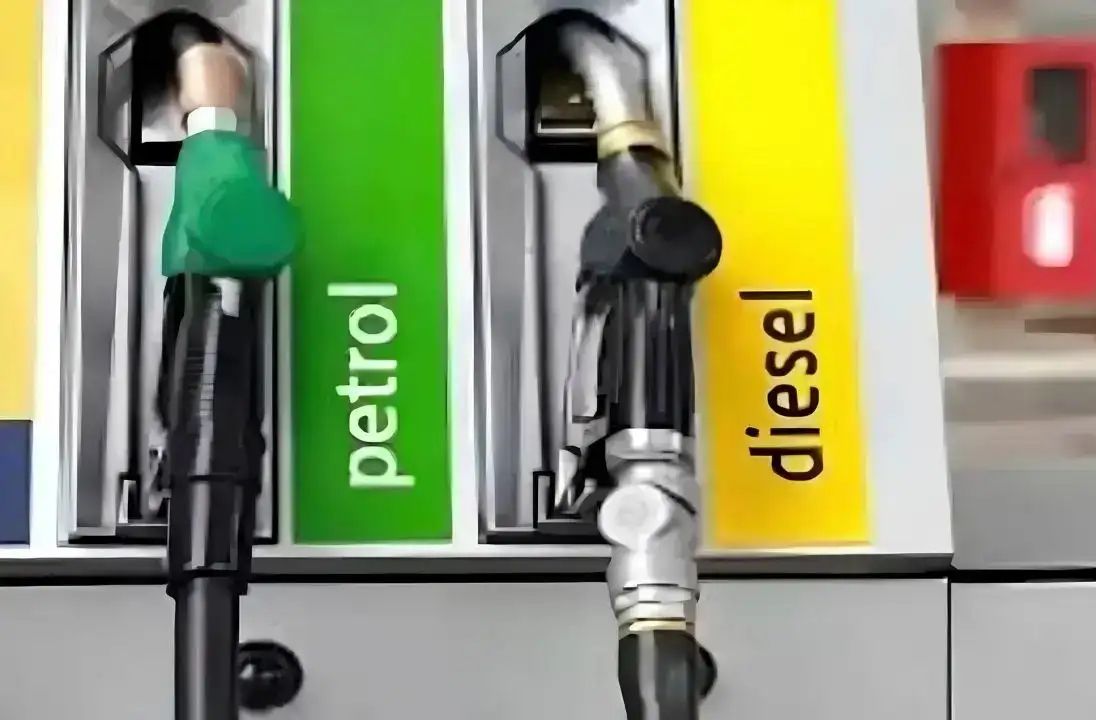
India's petroleum consumption patterns shifted significantly in July 2026. While combined petrol and diesel sales jumped due to delayed monsoon rains boosting irrigation and transport demand, liquefied petroleum gas consumption dropped sharply. This decline reflects a permanent commercial and industrial transition toward piped natural gas networks.
State-owned fuel retailers report robust year-on-year growth in road transport fuels as delayed rains drive agricultural demand, even as commercial users pivot toward piped gas.
India’s energy consumption patterns shifted across major petroleum products in July 2026, driven by delayed monsoon rains and evolving commercial choices. According to preliminary industry data released by state-owned retailers, combined retail sales of petrol and diesel recorded sharp year-on-year increases. At the same time, national demand for liquefied petroleum gas (LPG) contracted significantly as industrial and commercial consumers continued a structural transition toward piped natural gas (PNG). Market analysts note that the late onset of seasonal rainfall elevated agricultural irrigation needs, directly boosting transport and machinery fuel requirements during the peak sowing window.
Road Fuel Growth Driven by Deficient Seasonal Rains
Fuel consumption typically moderates during the monsoon season as increased rainfall reduces agricultural pumping requirements and dampens road transit volumes. However, delayed precipitation patterns across several agricultural belts altered typical seasonal consumption trends.
Key performance metrics reported by state-run oil marketing companies include:
Petrol Sales Expansion: Combined petrol volumes distributed by Indian Oil Corporation (IOC), Bharat Petroleum Corporation Ltd (BPCL), and Hindustan Petroleum Corporation Ltd (HPCL) climbed 9.7 percent year-on-year to reach 3.45 million tonnes in July.
Diesel Consumption Surge: Widely regarded as a key barometer of broader economic activity, diesel sales advanced 10.7 percent year-on-year to 7.12 million tonnes, fueled heavily by agricultural diesel pump utilization.
Sequential Movements: Despite robust annual growth, month-on-month figures experienced a seasonal pullback, with petrol dipping 1.1 percent and diesel declining 9.2 percent compared to June levels following the conclusion of summer travel periods.
Aviation Turbine Fuel (ATF): Jet fuel demand posted modest annual growth of 2.9 percent, totaling 659,900 tonnes for the month.
Commercial Shift Toward Piped Natural Gas Impacts LPG Sales
In sharp contrast to robust transport fuels, liquefied petroleum gas (LPG) consumption experienced a notable contraction. Industry reports indicate that overall LPG sales fell 17.4 percent year-on-year, touching 2.37 million tonnes.
Energy sector experts attribute this sustained downturn to commercial and industrial establishments—such as hotels, restaurants, and manufacturing units—permanently migrating from traditional LPG cylinders to continuous piped natural gas networks. Although supply chain adjustments following earlier West Asia disruptions have normalized, structural integration of municipal and industrial piped infrastructure continues to reshape baseline cooking gas demand.
Why It Matters
Understanding real-time shifts in national energy consumption offers critical insight into broader economic momentum, agricultural resilience, and infrastructure evolution. While spikes in diesel and petrol consumption reflect active transport and farming sectors, the transition to piped natural gas highlights how commercial entities are adapting to cleaner, uninterrupted utility networks.
Key Facts at a Glance
Reporting Period: July 2026.
Petrol Growth: Rose 9.7 percent year-on-year to 3.45 million tonnes.
Diesel Growth: Climbed 10.7 percent year-on-year to 7.12 million tonnes.
LPG Decline: Contracted by 17.4 percent year-on-year due to commercial migration to piped gas.
FAQ Section
Why did petrol and diesel consumption surge in July 2026?
Sales increased due to delayed monsoon rains, which forced farmers to rely heavily on diesel-powered irrigation pumps during the peak sowing season alongside sustained road transport activity.
What caused the sharp decline in national LPG sales?
Industry officials attribute the drop primarily to commercial and industrial establishments shifting permanently from bottled LPG cylinders to piped natural gas (PNG) networks.
How do monthly fuel sales compare to previous months?
While showing strong year-on-year expansion, both petrol and diesel registered modest sequential declines compared to June due to normal seasonal monsoon transitions.
Where can stakeholders track official fuel consumption statistics in India?
Comprehensive monthly data updates and energy reports are accessible via the Petroleum Planning and Analysis Cell (PPAC) portal.
Source: Petroleum Planning and Analysis Cell (PPAC), Ministry of Petroleum and Natural Gas, LiveMint, Financial Express