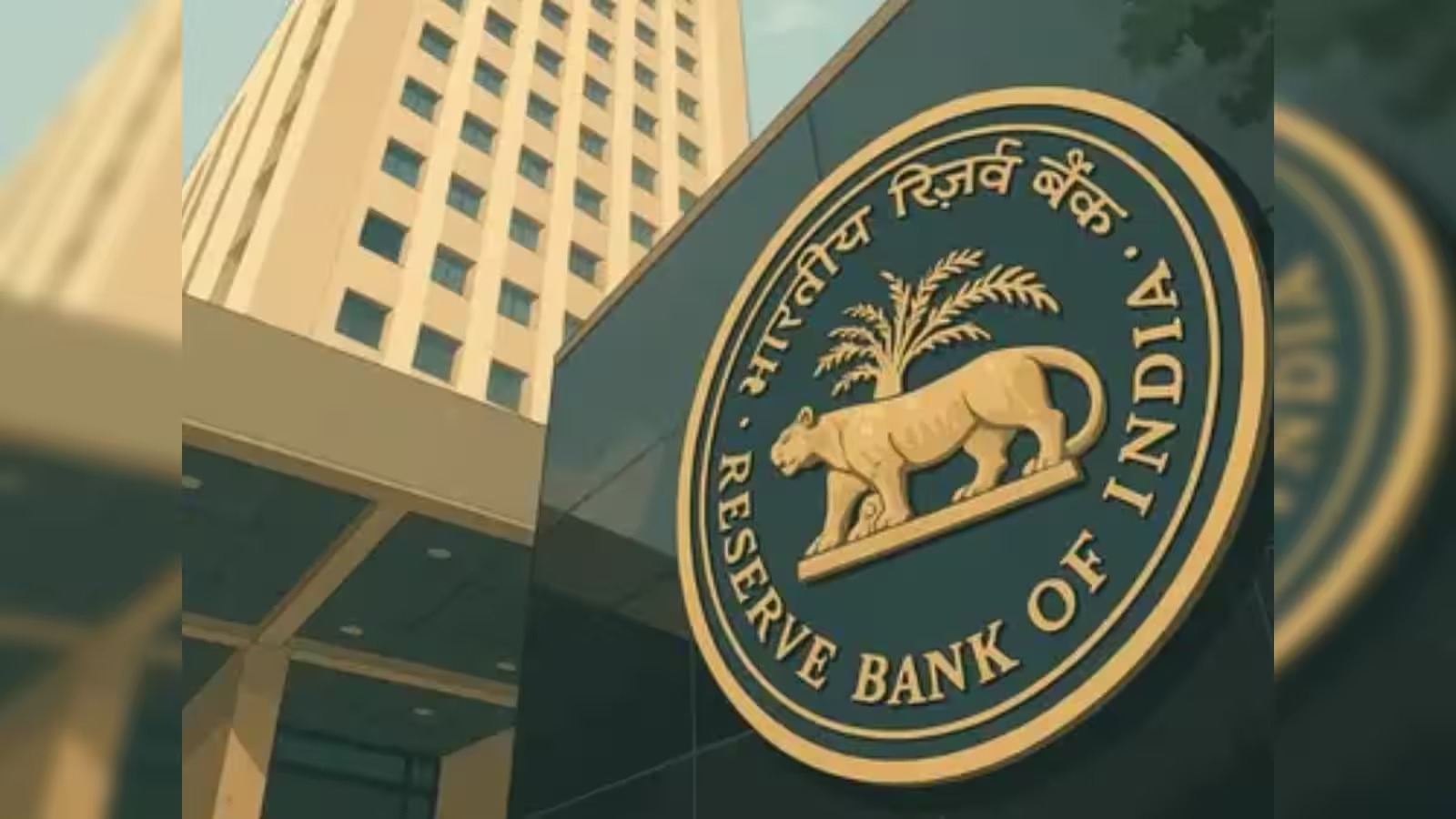
The Reserve Bank of India accepted bids worth ₹4,615.86 billion against a notified ₹5,000 billion at its overnight Variable Rate Reverse Repo auction. Disclosed in September 2026, the operation recorded a cut-off and weighted average rate of 5.24%, effectively absorbing surplus short-term liquidity from domestic commercial banks.
The Reserve Bank of India absorbs ₹4,615.86 billion through its overnight variable rate reverse repo auction against a notified ₹5,000 billion.
Mumbai-headquartered central banking institution the Reserve Bank of India (RBI) announced through official financial statistics and monetary operations data released in September 2026 that it successfully accepted bids worth ₹4,615.86 billion during its overnight Variable Rate Reverse Repo (VRRR) auction. Deployed under the Liquidity Adjustment Facility (LAF) framework, the operation was structured to absorb excess short-term liquidity from domestic commercial banks, recording total bids matching the accepted allocation against a notified target of ₹5,000.00 billion.
Auction Results and Rate Mechanics
According to official data published by the central bank, the overnight VRRR auction drew robust participation from institutional market participants seeking deployment avenues for surplus cash balances. The RBI set a cut-off rate of 5.24%, which perfectly matched the weighted average rate of 5.24% across all accepted bids. This pricing alignment reflects stable overnight money market conditions and indicates that short-term interbank rates remain closely anchored to the central bank's operational targets.
Financial market analysts and banking sector observers noted that variable rate reverse repo auctions serve as the primary instrument for managing systemic liquidity fluctuations. By mopping up surplus cash on a short-term basis, the central bank prevents excessive softening of overnight call rates, ensuring that monetary policy transmission remains efficient across retail and wholesale lending segments.
Market Impact and Investor Implications
For institutional investors, primary dealers, and treasury managers, the outcome of liquidity absorption operations provides vital signals regarding short-term interest rate trends and banking sector cash reserves. Stable cut-off rates help institutional desks price commercial paper, certificates of deposit, and short-term debt instruments accurately. Market participants continue to track daily liquidity adjustments and central bank announcements to assess evolving monetary conditions ahead of upcoming fiscal settlement cycles.
Official Sources Section
Details concerning the overnight variable rate reverse repo auction results, cut-off percentages, weighted average rates, and notified allocations are based on official monetary statistics and press releases published by the Reserve Bank of India.
Quote Section
According to officials, the overnight variable rate reverse repo auction successfully absorbed excess banking sector liquidity, with accepted bids totaling ₹4,615.86 billion at a cut-off and weighted average rate of 5.24%.
Why It Matters
Managing surplus liquidity through targeted reverse repo operations maintains stability in short-term interest rates and supports monetary policy transmission. For commercial banks and financial institutions, predictable liquidity management ensures orderly functioning across money markets.
Key Facts at a Glance
The RBI accepted bids worth ₹4,615.86 billion against a notified amount of ₹5,000.00 billion at the overnight VRRR auction.
Both the cut-off rate and the weighted average rate were established at 5.24%.
The liquidity operation was conducted under the Liquidity Adjustment Facility (LAF) framework in September 2026.
Official auction results and monetary statistics were published by the Reserve Bank of India.
FAQ Section
What was the total amount accepted in the RBI's overnight VRRR auction?
The central bank accepted bids worth ₹4,615.86 billion against a notified target of ₹5,000.00 billion.
What was the cut-off and weighted average rate set at the auction?
Both the cut-off rate and the weighted average rate were established at 5.24%.
Where can stakeholders access official monetary data and auction results?
Official liquidity reports, operational guidelines, and press releases are published regularly on the official website of the Reserve Bank of India, the National Stock Exchange of India, and BSE India.
Source: Reserve Bank of India, National Stock Exchange of India, BSE India