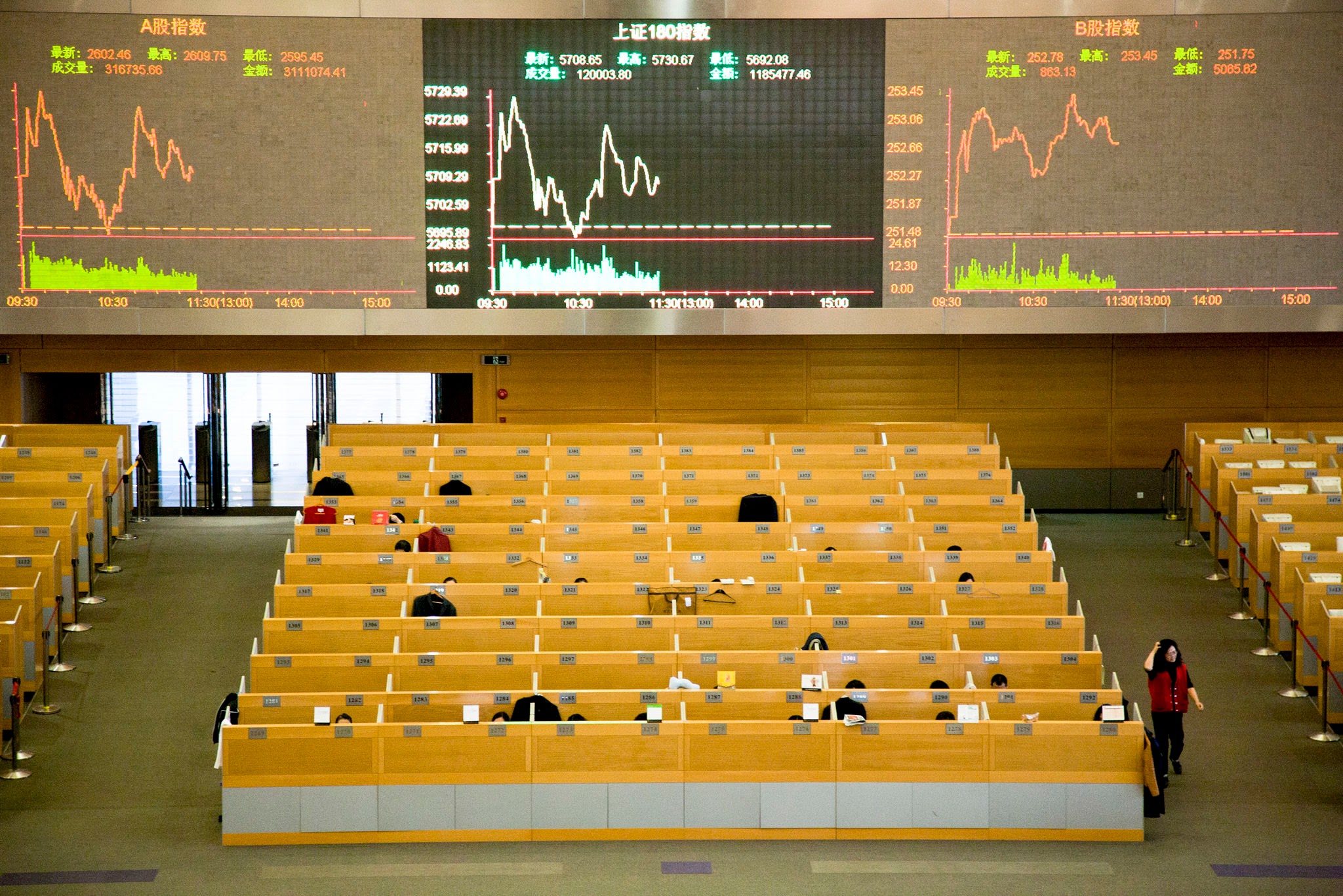
The MSCI Asia ex-Japan Index (.MISX00000PUS) surged more than 5% during trading on July 31, 2026, driven by a broad-based rally in technology stocks and renewed foreign capital inflows across regional markets. Significant gains in South Korea, Taiwan, and Hong Kong contributed to the benchmark’s largest single-day advance of the year.
SINGAPORE — The benchmark MSCI Asia Ex-Japan Index (.MISX00000PUS) jumped more than 5% on July 31, 2026, marking its strongest single-day gain of the year as investors piled back into Asian technology, semiconductor, and blue-chip financial equities. The surge across Asian trading hubs including Hong Kong, Seoul, Taipei, and Mumbai was fueled by stronger-than-expected corporate earnings, dovish interest rate commentary from major central banks, and stabilization in regional currency exchange rates.
The sharp movement in the MSCI Asia Ex-Japan Index reflects a rapid pivot in global risk sentiment. International institutional investors reallocated capital into emerging and developed Asian equities outside Japan, ending weeks of volatile, range-bound trading.
Heavyweight Tech Equities Lead Regional Benchmark Expansion
The advance in the MSCI Asia Ex-Japan Index was primarily anchored by heavy mega-cap technology and semiconductor constituents. Taiwan Semiconductor Manufacturing Co. (TSMC), SK Hynix, and Samsung Electronics which together represent a significant weight in the regional index saw aggressive buying following strong global demand forecasts for artificial intelligence hardware and semiconductor components.
Market trading data across regional exchanges highlighted notable single-session advances:
South Korea (KOSPI): Tech-heavy indices recorded substantial gains as memory chipmakers rallied.
Taiwan (TAIEX): Semiconductor fabricators and industrial electronics suppliers added momentum to the benchmark index.
Hong Kong (Hang Seng Index): Tech and consumer internet platforms experienced heavy short-covering and renewed institutional buying.
India (NIFTY 50 / SENSEX): Banking and technology counters registered solid foreign portfolio investor (FPI) inflows.
Macroeconomic Factors and Capital Inflows Drive Market Rebound
Market strategists attribute the rise in the MSCI Asia Ex-Japan Index to a conjunction of macroeconomic shifts. Expectations of potential rate cuts by the U.S. Federal Reserve have weakened the U.S. dollar index (DXY), encouraging institutional asset managers to direct liquidity toward higher-yielding Asian emerging market assets.
Furthermore, recent economic data from mainland China indicating stabilizing manufacturing output and retail sales provided additional momentum. Policy support measures introduced by regional central banks have helped calm credit markets and maintain liquidity across commercial banking channels.
Impact on Investors, Businesses, and Local Economies
The surge in the MSCI Asia Ex-Japan Index carries significant implications across economic sectors:
For Investors: Institutional funds tied to passive exchange-traded funds (ETFs) tracking the MSCI Asia Ex-Japan Index experienced immediate capital appreciation. The rally offers relief to global asset managers rebalancing international portfolios.
For Businesses: Strong equity valuations improve access to capital markets, enabling regional technology and manufacturing firms to secure equity financing at lower capital costs.
For Consumers & Local Economies: Currency stabilization against the U.S. dollar reduces imported inflation risks, easing cost-of-living pressures across import-dependent Asian economies.
Official Sources Section
Market metrics, index performance figures, and economic trade data cited in this news report were gathered from official disclosures released by:
Quote Section
"According to market officials and exchange data, the surge in the MSCI Asia Ex-Japan Index reflects a synchronized recovery in regional equity valuations, propelled by robust foreign institutional buying across semiconductor, technology, and financial sectors."
Why It Matters
The MSCI Asia Ex-Japan Index serves as the primary benchmark for institutional capital invested in non-Japanese Asian equities. A single-day jump of over 5% signals renewed risk appetite among international asset managers, reflecting confidence in the region’s corporate earnings outlook and macroeconomic stability.
Key Facts at a Glance
Index Movement: MSCI Asia Ex-Japan Index (.MISX00000PUS) rose by over 5.0% in a single trading session.
Key Drivers: Strong gains in semiconductor leaders (TSMC, SK Hynix, Samsung Electronics) and broader tech counters.
Regional Gainers: Stock exchanges in South Korea, Taiwan, Hong Kong, and India recorded widespread advances.
Macro Catalyst: Moderating U.S. dollar strength and expectations of global central bank monetary easing.
Frequently Asked Questions (FAQs)
What is the MSCI Asia Ex-Japan Index?
The MSCI Asia Ex-Japan Index (RIC: .MISX00000PUS) is a free float-adjusted market capitalization index designed to measure the equity market performance of developed and emerging markets in Asia, excluding Japan.
Why are Japanese equities excluded from this index?
Japan is excluded because its mature, developed capital market often dominates regional indices by size and weight. Excluding Japan allows investors to specifically track or invest in emerging and high-growth Asian markets like South Korea, Taiwan, China, and India.
Which sectors hold the highest weight in the MSCI Asia Ex-Japan Index?
Information Technology is the largest sector weight in the index, followed by Financials, Consumer Discretionary, and Industrials.
Sources: MSCI Inc., HKEX, SGX, Reuters.