Nato foreign ministers are meeting in Helsingborg, Sweden, this week for a high-stakes gathering where the Iran war and Strait of Hormuz crisis are set to compete for attention with Ukraine’s battlefield needs and Europe’s defence spending pledges. The outcome will shape the agenda for July’s leaders’ summit in Ankara and test alliance cohesion under US President Donald Trump’s renewed pressure on allies.
The two-day meeting brings together ministers from all 32 Nato members, with US Secretary of State Marco Rubio using the Sweden stopover before his India visit to push allies on both maritime security around Hormuz and long-term support for Kyiv. With the Strait of Hormuz effectively closed since late February and Ukraine intensifying its drone-led counteroffensive, Nato must juggle simultaneous flashpoints while reassuring sceptical domestic audiences.
Hormuz Tensions And Gulf Security
The near-shutdown of the Strait of Hormuz after the Iran war erupted on February 28 has disrupted global energy flows and sparked debate over Nato’s role in reopening the waterway. Washington is promoting the Maritime Freedom Construct, a coalition focused on information-sharing and diplomatic pressure on Tehran, while some European allies favour limited naval support only after a durable ceasefire. This divergence underscores how far Nato has to go in forging a common Middle East posture.
Ukraine, Drones And Europe’s Defence Burden
Ukraine remains central to the Sweden talks, as allies weigh stepped-up support against concerns over budgets and US reliability. Ukrainian drone units recently participated in Nato exercises in Sweden, turning the war games into a live laboratory for asymmetric tactics that many see as the future of European warfare. Rubio has been striking a tougher line on Russia, calling Ukraine’s armed forces “the strongest in Europe” and highlighting Kyiv’s role in advising Gulf partners on anti-drone technology.
Spending Targets And The Trump Factor
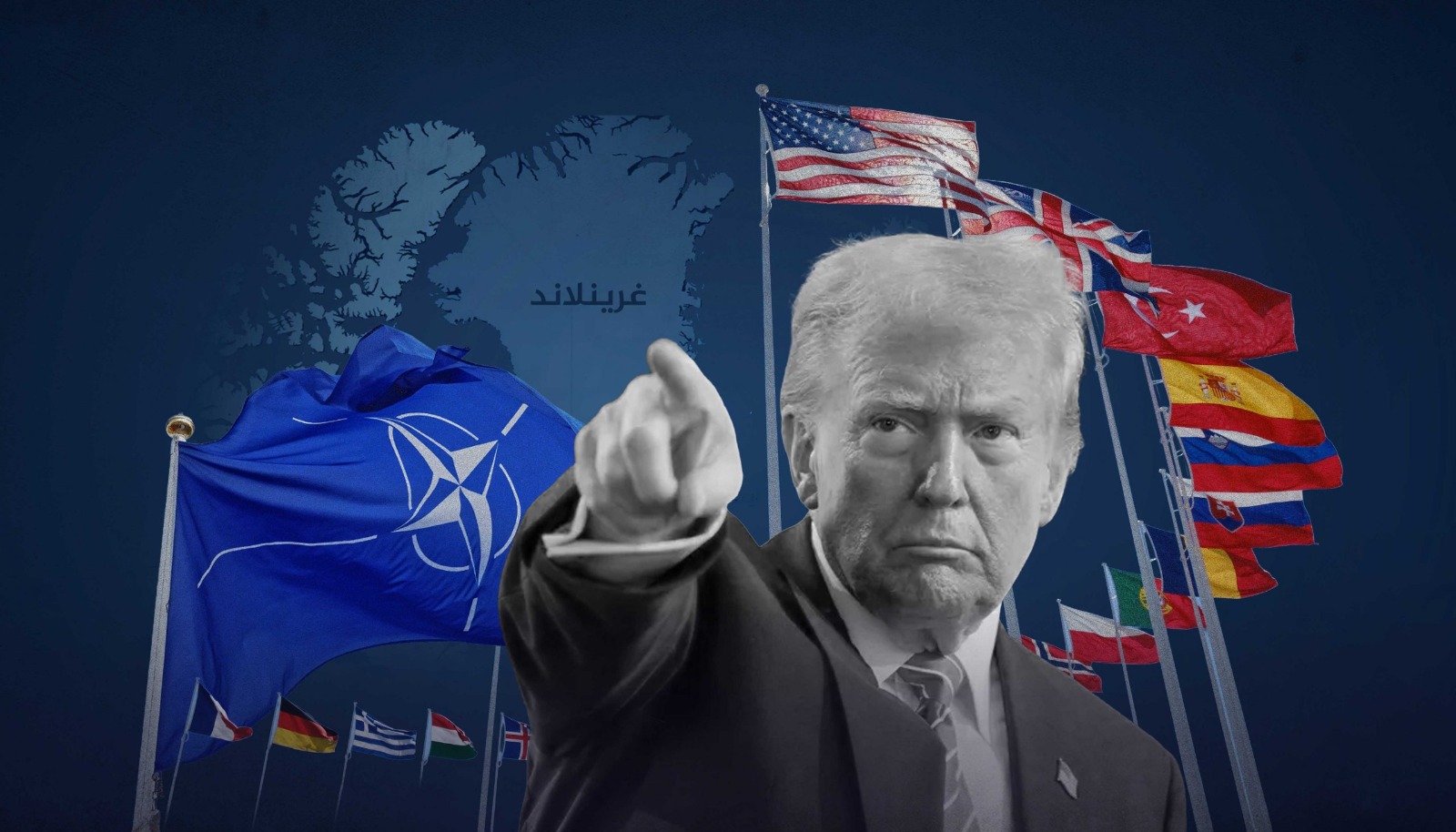
Nato has adopted new spending benchmarks of 3.5% of GDP for core defence and 1.5% for broader resilience, but many capitals are still grappling with how to fund such increases. Trump’s renewed attacks on “free-riding” allies and his decision to cut troop numbers in Germany and Poland have sharpened fears that the US could one day scale back its security guarantees. European officials argue that pressure is forcing them to invest more and prepare a “Plan B” in case Washington turns inward.
What Sweden’s Meeting Means For Nato’s Future
Analysts say the Helsingborg gathering is less about dramatic announcements and more about testing whether Nato can hold together under simultaneous stress from Russia, Iran and internal transatlantic tensions. If allies can lock in credible defence-spending paths, advance planning on Hormuz, and maintain unity over Ukraine, the Ankara summit could showcase an alliance that is bruised but still functional in the Trump era.
Key Highlights
- Nato foreign ministers meet in Helsingborg, Sweden, with Hormuz and Ukraine both high on the agenda
- US Secretary of State Marco Rubio presses allies on Ukraine support and the Maritime Freedom Construct for Hormuz
- Strait of Hormuz has been effectively closed since the Iran war began on February 28, reshaping energy routes
- Ukraine shares drone warfare lessons during Nato exercises in Sweden, underscoring its frontline role for Europe
- New defence-spending targets and US troop cuts in Europe feed debate on Nato’s long-term resilience
Sources: Times Now