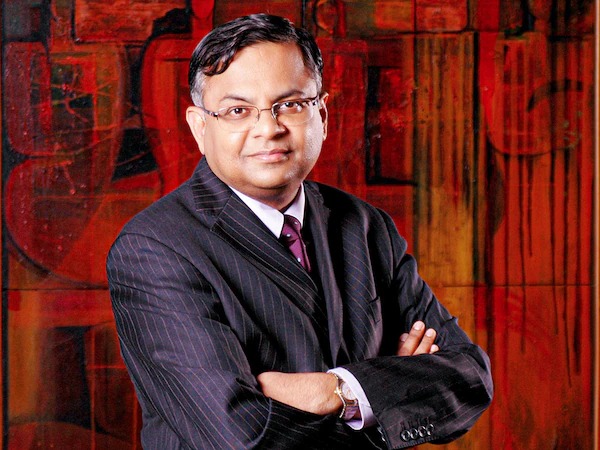
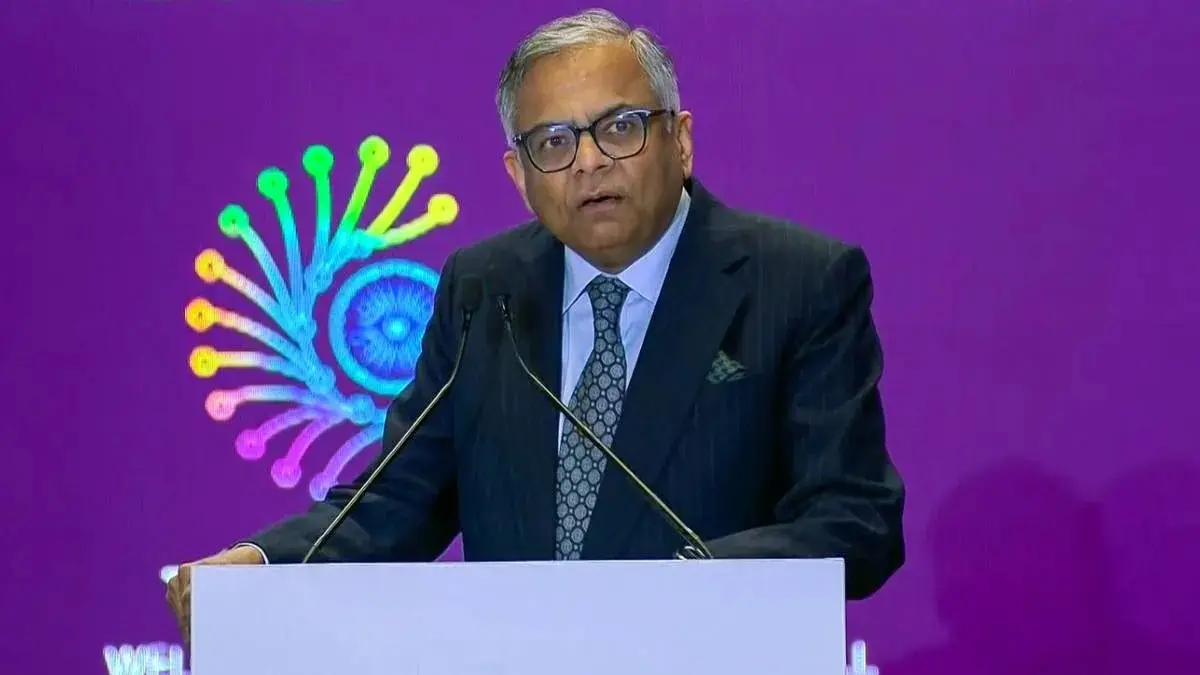
Tata Sons Chairman N Chandrasekaran has announced he will step down and not seek reappointment when his current term concludes in February 2027. Citing a lack of unanimous board support, he urged the board to quickly finalize succession plans to ensure an orderly transition.
Tata Sons Chairman Natarajan Chandrasekaran has announced he will not seek reappointment when his current term concludes, citing a lack of unanimous board support and urging a prompt transition.
Leadership Transition Announced at Tata Sons
MUMBAI — In a major development for India's corporate sector, Tata Sons Chairman Natarajan Chandrasekaran announced in an official statement that he has decided not to offer himself for reappointment upon the completion of his current term. Chandrasekaran confirmed that he has formally asked the board of directors to initiate and decide on succession planning swiftly to ensure an orderly and proper transition at the helm of the country's largest conglomerate.
The announcement follows internal discussions regarding governance and leadership continuity at the USD 400-billion salt-to-software enterprise. According to the official statement released by the chairman, the decision not to seek an extension stems from the absence of unanimous support from the board for his reappointment, prompting a proactive approach to prevent prolonged institutional uncertainty across group operating companies.
Governance Context and Succession Timeline
The impending leadership change marks a pivotal turning point for the Tata Group, which encompasses marquee global and domestic entities such as Tata Consultancy Services (TCS), Tata Motors, and Air India. Under corporate governance guidelines governing the primary holding entity, executive leadership transitions require careful coordination between professional management and principal stakeholders, notably Tata Trusts, which control a significant majority stake in Tata Sons.
Board Deliberations: The chairman formally requested the board to expedite succession protocols to safeguard operational stability across subsidiary businesses.
Unanimous Mandate: The disclosure highlighted that leadership continuity at the apex holding level requires cohesive board alignment, which was absent regarding the reappointment terms.
Group Stability: Senior leadership across group verticals remains focused on ongoing strategic objectives, digital transformations, and large-scale capital expenditure initiatives.
Official Sources and Regulatory Disclosures
According to official statements issued directly by Tata Sons and regulatory disclosures filed with stock exchanges, the corporation is reviewing formal procedures to manage the executive transition.
"According to officials, the board of directors will convene to review succession pathways, ensuring that all corporate governance protocols are rigorously observed as the leadership transition takes shape."
Financial market monitors, including newswires and regulatory desks, have tracked the announcement closely, noting its potential impact on upcoming annual general meetings and institutional investor voting patterns.
Practical Impact on Investors and Businesses
The decision of the Tata Sons Chairman to step down carries notable practical implications across the commercial and financial ecosystem:
For Investors and Shareholders: Clear communication regarding succession minimizes prolonged market speculation, allowing institutional portfolios to assess strategic continuity across listed group entities.
For Subsidiary Companies: Operating firms like TCS and Tata Motors maintain independent professional management teams, insulating day-to-day operations from holding-level executive changes.
For Corporate Governance: The proceedings underscore the complex interplay between dominant philanthropic trusts and professional leadership structures within legacy Indian business houses.
Key Facts at a Glance
Executive in Focus: Natarajan Chandrasekaran, Chairman of Tata Sons.
Core Decision: Decided not to offer for reappointment upon term completion.
Primary Reason Cited: Absence of unanimous support from the board of directors.
Transition Directive: Requested the board to decide on succession soon to ensure a proper handover.
Frequently Asked Questions
Why is Tata Sons Chairman Natarajan Chandrasekaran stepping down?
He announced he will not offer for reappointment after his current term concludes due to the absence of unanimous board support, requesting a prompt succession process.
What did the chairman ask the board to do?
He formally asked the board of directors to decide on the succession soon to ensure a proper and orderly leadership transition.
How does this affect Tata Group operating companies?
Group operating companies maintain independent professional management teams, though holding-level strategic coordination remains a key focus for institutional stakeholders.
Where can official updates regarding the succession be accessed?
Official corporate announcements and regulatory disclosures are published via the Bombay Stock Exchange (BSE) and National Stock Exchange of India (NSE) portals.
Source: