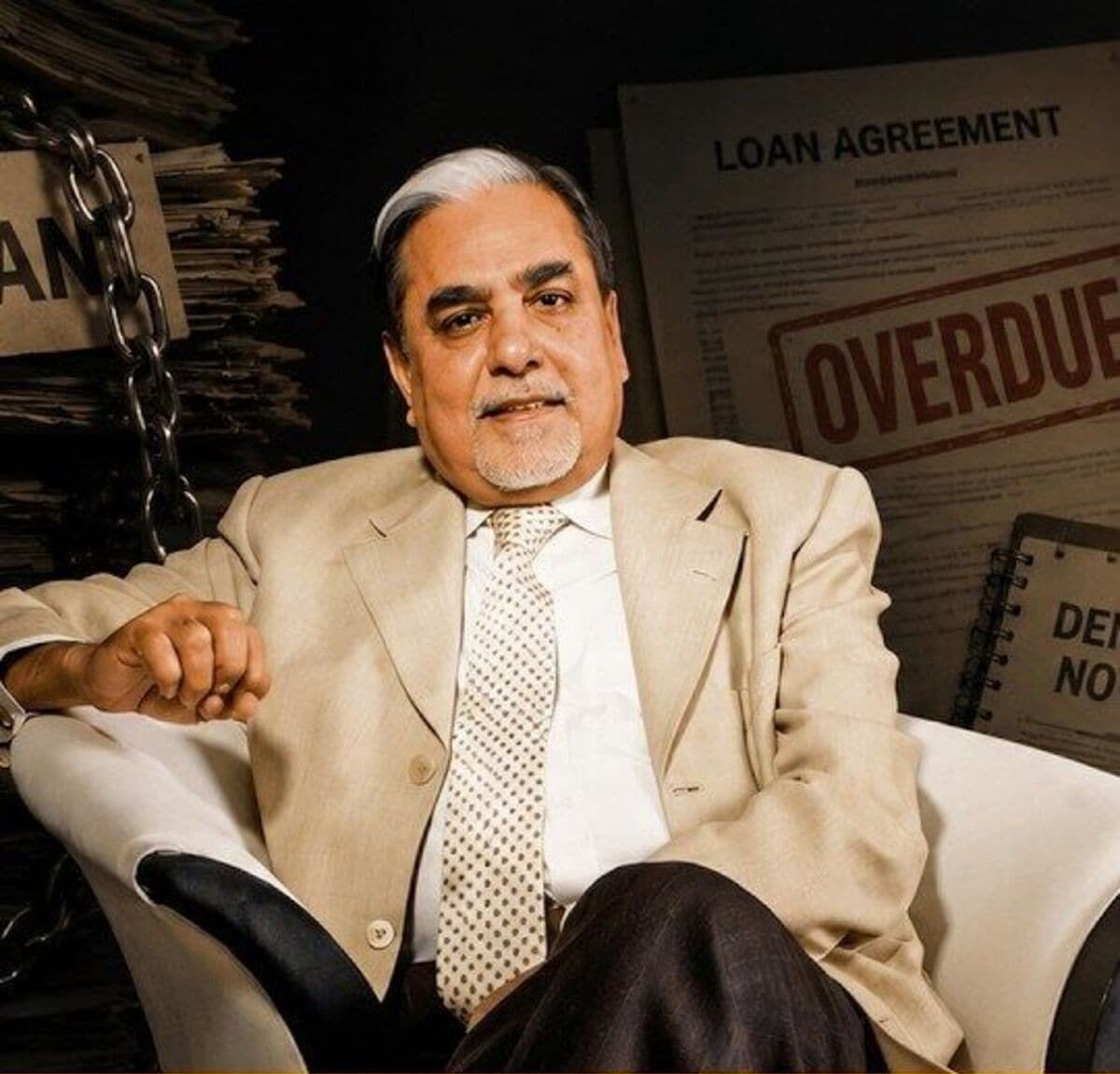
The National Company Law Tribunal has sanctioned a personal insolvency resolution plan allowing media entrepreneur Subhash Chandra to settle claims amounting to ₹22,006.57 crore with a ₹6.5 crore payout. The ruling, passed after a split bench decision, drew sharp criticism from dissenting lenders and political parties over extensive write-downs.
Backed by official tribunal orders, the National Company Law Tribunal has approved a personal insolvency repayment plan for Essel Group founder Subhash Chandra, triggering intense national scrutiny.
The intersection of personal insolvency laws and corporate guarantees has drawn renewed legal attention following a high-profile tribunal ruling. According to official tribunal documents and filings reviewed by Livemint and The Indian Express, the National Company Law Tribunal (NCLT) sanctioned a resolution plan allowing media entrepreneur Subhash Chandra to settle admitted claims totaling approximately ₹22,006.57 crore through a personal payout of ₹6.5 crore.
The order, issued following a tie-breaking decision by third member and Judicial Member Nilesh Sharma, marks a significant development under the Insolvency and Bankruptcy Code (IBC), 2016. While supporting creditors voted in favor of the arrangement, dissenting financial institutions and political figures raised widespread concerns regarding the scale of the financial reduction.
Tribunal Mechanics and the Split Verdict
The path to the final NCLT order involved complex procedural hurdles and divided opinions among judicial and technical members. According to details published by The Indian Express Legal Desk, the key parameters of the case include:
Split Bench Resolution: The initial two-member bench delivered a split verdict, prompting the NCLT President to appoint Judicial Member Nilesh Sharma to resolve the disagreement under Section 114 of the IBC.
Voting Majority: The resolution plan secured 80.81% approval from supporting creditors, overcoming opposition from a dissenting minority holding less than 20% of the voting share.
Asset Valuation Rationale: The 144-page tribunal order noted that the valuation of Chandra's personal estate demonstrated assets worth significantly less than the ₹6.5 crore offered, rendering liquidation an even less lucrative alternative for creditors.
Principal Corporate Liability: Official government clarifications emphasized that principal corporate borrowers remain legally bound to settle their underlying corporate debts independently of Chandra's personal-guarantor arrangement.
Why It Matters
The practical implications of the Subhash Chandra insolvency ruling ripple across India's banking sector, commercial lending standards, and promoter liability frameworks. For financial institutions and regulatory authorities, the case underscores the structural limits of recovering personal guarantees when a guarantor's declared liquid assets fall short, highlighting ongoing debates over commercial judgment versus statutory safeguards within the IBC framework.
Key Facts at a Glance
Admitted Claims: ₹22,006.57 crore (representing total claims against Chandra as a personal guarantor).
Settlement Payout: ₹6.5 crore (including ₹6.25 crore for creditors and ₹25 lakh for insolvency process costs).
Creditor Approval: Secured 80.81% voting share support.
Adjudicating Authority: National Company Law Tribunal (NCLT) third-member bench led by Judicial Member Nilesh Sharma.
FAQ Section
What did the NCLT order regarding Subhash Chandra's personal insolvency?
The NCLT sanctioned a resolution plan allowing Subhash Chandra to settle admitted personal guarantee claims amounting to ₹22,006.57 crore by paying ₹6.5 crore.
Why did dissenting lenders oppose the settlement plan?
Dissenting creditors, including LIC Housing Finance, argued that the proposed payout represented an excessively negligible fraction of their admitted dues and remained an indicative, uncertain figure.
Does this order write off the entire ₹22,000 crore bank debt?
Government and financial sources clarified that the settlement applies specifically to Chandra's personal guarantee liability, while principal corporate borrowers remain legally liable for their underlying debts.
Where can readers verify official judicial documents regarding corporate and personal insolvency cases?
Primary rulings, cause lists, and tribunal updates are published directly on the official NCLT Portal.
Source: Livemint, The Indian Express, The Economic Times