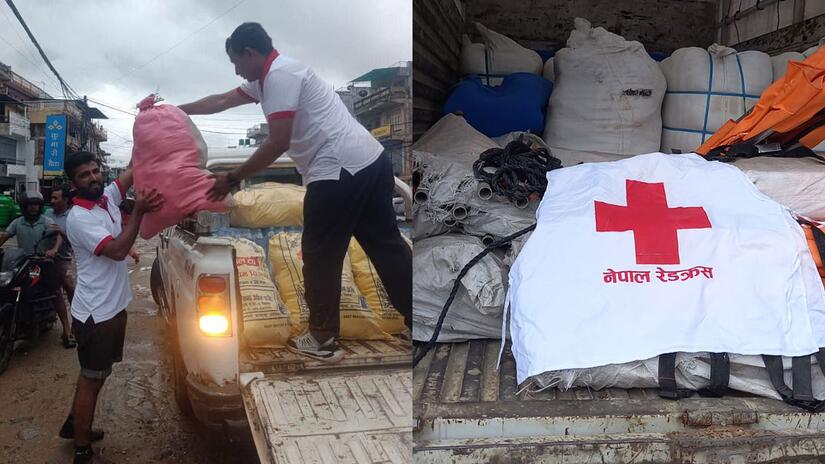
The Red Cross warned of critical secondary flood risks from upstream barrier lakes in northern Nepal following catastrophic flash floods. With at least 93,000 people affected and 10,000 families displaced, the IFRC has launched a 25 million Swiss franc emergency appeal to provide shelter, medical aid, and clean water.
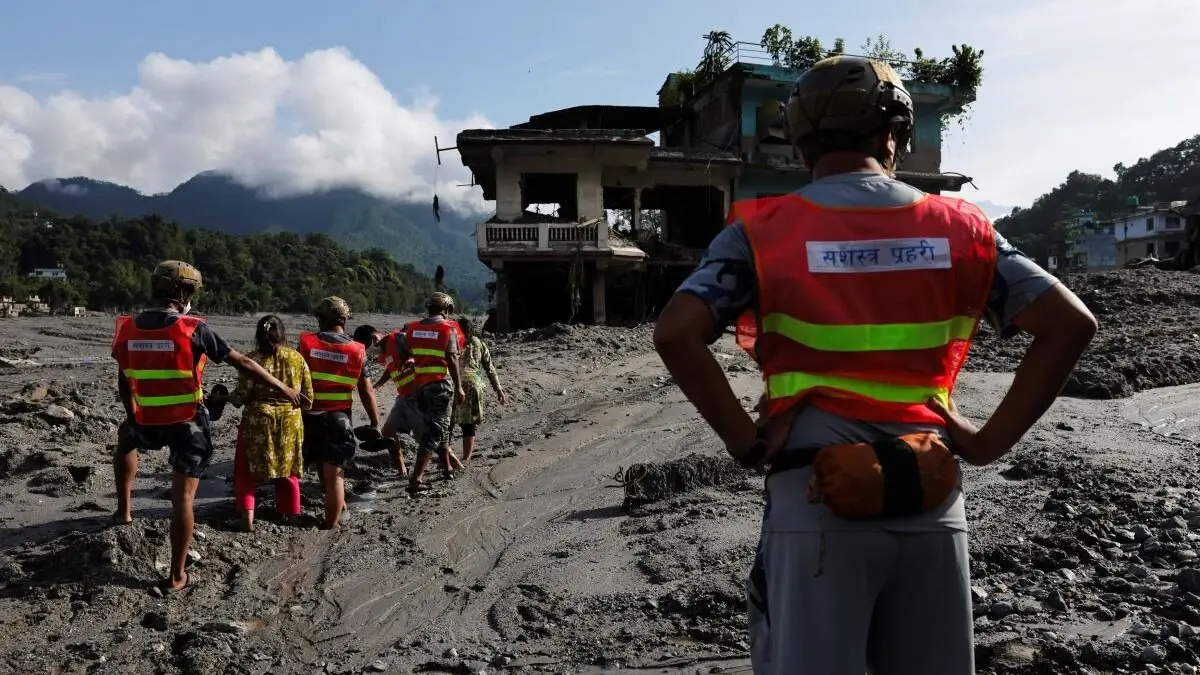
KATHMANDU — The International Federation of Red Cross and Red Crescent Societies (IFRC) warned of acute secondary disaster risks across northern Nepal following destructive flash floods along the Bhotekoshi river corridor. Humanitarian officials confirmed that at least 93,000 individuals have been affected, with more than 10,000 families displaced after entire settlements, roadways, and bridge crossings were obliterated by torrents of mud and glacial debris. The emergency warning is critical today as unstable natural debris dams formed upstream threaten to trigger secondary flash floods, complicating disaster response operations and endangering isolated mountain communities.
Humanitarian Crisis and Scale of Destruction
According to preliminary assessments by the Nepal Red Cross Society and the IFRC, the humanitarian situation across Rasuwa, Nuwakot, and adjoining river valley districts has reached catastrophic levels. The sudden surge of water and silt—triggered by a massive glacial break 20 kilometers upstream near the Nepal-Tibet border—swept away hundreds of residential buildings, local market centers, and hydropower installations.
The aid agency confirmed that at least 93,000 residents across the mountainous northern belt are in critical need of immediate life-saving assistance, including emergency shelter, drinking water, food supplies, and medical treatment. Relief operations face severe logistical barriers as washed-out road infrastructure and collapsed communication towers leave tens of thousands of survivors accessible only via military and civilian rotary-wing aircraft.
Secondary Flood Threats and Barrier Lake Risks
Frontline responders and hydrology specialists have raised red flags over unstable river blockages formed in the aftermath of mountain collapses. Sedimentation and boulder blockages along upstream tributaries have formed rising barrier lakes that could breach under continued monsoon precipitation, creating secondary flood waves along downstream populated corridors.
The risk prompted local disaster command centers to briefly evacuate rescue workers and issue high-alert advisories for riverbank settlements along the Bhotekoshi and Trishuli waterways. Hydrologists note that loose slope debris, undercut hillsides, and saturated soil conditions heighten the probability of secondary mudslides, forcing humanitarian logistics planners to prepare rapid evacuation routes.
IFRC 25 Million Swiss Franc Emergency Appeal
In response to the escalating crisis, the IFRC launched a global Emergency Appeal for 25 million Swiss francs ($31 million) to support the Nepal Red Cross Society's ongoing humanitarian operations over the next 24 months.
The multilateral funding framework focuses on seven key intervention sectors:
Emergency Shelter & Non-Food Items: Distributing all-weather family tents, tarpaulins, warm blankets, and household repair kits.
Water, Sanitation & Hygiene (WASH): Deploying mobile water purification systems, hygiene packs, and temporary sanitation units to prevent waterborne disease outbreaks.
Direct Cash Assistance: Providing unconditional multi-purpose cash grants to displaced households to restore basic livelihoods.
Primary Healthcare & Psychosocial Support: Operating mobile medical outposts, first aid clinics, and specialized trauma counseling teams.
Restoring Family Links (RFL): Establishing identification and communication desks to trace hundreds of missing local residents and foreign nationals.
Impact on Citizens, Travelers, and Regional Economy
The scale of the disaster has widespread social and economic ramifications across the Himalayan nation:
Displaced Families: Over 10,000 families require sustained shelter support after losing their primary dwellings and agricultural land to mud inundation.
Trade and Travel Disruption: The severance of northern highway arteries has paralyzed commercial freight movement through the Rasuwagadhi border port, halting essential commodity imports.
Public Health Vulnerabilities: Disrupted clean water supply networks across valley settlements increase the threat of diarrheal diseases, requiring extensive sanitation interventions.
Official Sources Section
This report is compiled using situation bulletins, appeal documents, and disaster assessments issued by:
Quote Section
"According to Red Cross officials on the ground, humanitarian teams are deeply concerned about the acute risk of secondary floods from blocked upstream river channels, noting that at least 93,000 people have been severely affected across northern Nepal and require urgent emergency support."
Why It Matters
The combination of severed overland access and secondary barrier lake flood risks creates an urgent humanitarian emergency in the central Himalayas. Mobilizing international donor funding and deploying specialized search-and-rescue assets is vital to preventing preventable disease outbreaks, protecting displaced mountain populations, and beginning long-term reconstruction.
Key Facts at a Glance
Affected Population: Approximately 93,000 people in urgent need of humanitarian assistance.
Displaced Households: An estimated 10,000 families left homeless.
Funding Appeal: CHF 25 million ($31 million) 24-month IFRC Emergency Appeal.
Primary Threat: Secondary flood surges from unstable upstream debris lakes and mudslides.
Frequently Asked Questions (FAQ)
Why is the Red Cross concerned about secondary floods in Nepal?
Glacial debris and landslides have blocked upstream tributaries, creating unstable barrier lakes that could breach and send secondary flash floods downstream into populated valleys.
How many people have been affected by the flash floods?
The Red Cross estimates that at least 93,000 people have been affected, with approximately 10,000 families losing their homes.
What are the primary priorities of the IFRC emergency appeal?
The 25 million Swiss franc appeal prioritizes emergency shelter, clean drinking water, sanitation facilities, direct cash grants, medical care, and family tracing.
Source: