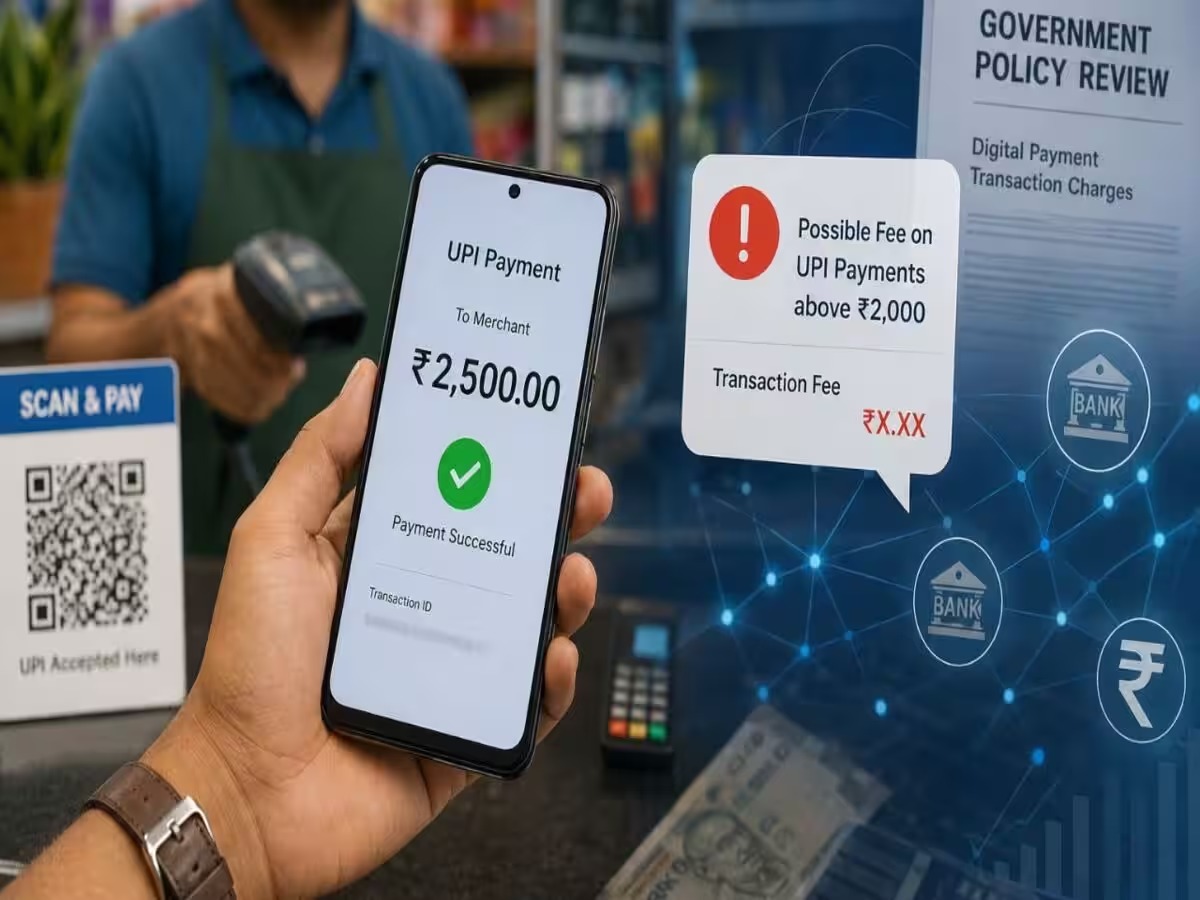
The Indian government is evaluating a potential fee structure for UPI transactions via the Taxation and Other Laws (Amendment) Bill, 2026. While officials assure that individual users remain exempt, proposed Merchant Discount Rates (MDR) for businesses aim to help banks fund infrastructure upgrades and ensure sustainable digital payment operations.
NEW DELHI — The Government of India, through recent legislative actions introduced in Parliament, has opened discussions regarding a potential fee structure for digital transactions on the Unified Payments Interface (UPI). The development comes as authorities consider the Taxation and Other Laws (Amendment) Bill, 2026, which alters provisions under the Payment and Settlement Systems Act.
The policy shift is important today because UPI has grown into a cornerstone of the national economy, handling billions of real-time transactions monthly. While the state maintains that individual users will remain exempt from any direct costs, the consideration of a Merchant Discount Rate (MDR) has drawn intense public scrutiny and legislative debate over the future sustainability of free digital payments.
Legislative Background and the Amendment Bill
The current debate intensified after the Lok Sabha passed the Taxation and Other Laws (Amendment) Bill, 2026. According to official government disclosures, the legislative amendment removes previous statutory barriers that restricted the imposition of charges on specific electronic payment modes.
Financial authorities emphasize that passing the enabling framework does not instantly apply transaction fees. Instead, the legal modification grants the central government and regulatory bodies the flexibility to notify specific payment channels for future charges. Historical context shows that UPI person-to-merchant (P2M) transactions have operated under a zero-MDR mandate since January 2020 to aggressively encourage digital adoption across the country.
Proposed Models and Fintech Sector Pressures
Discussions circulating within financial circles outline two primary models currently under evaluation for a potential UPI fee structure:
A percentage-based MDR ranging between 0.3% and 0.5% exclusively for transactions exceeding ₹2,000, specifically targeting larger commercial entities.
A tiered fee mechanism directly linked to a merchant's annual turnover, potentially exempting small enterprises and neighborhood vendors.
Industry representatives and banking institutions have long argued that processing high volumes of transactions without a revenue mechanism strains operating margins. Proponents of the fee structure argue that additional revenue streams are necessary to help banks and fintech companies fund ongoing security upgrades, technological expansions, and network scaling.
Impact on Citizens, Businesses, and Investors
For everyday consumers, official assurances indicate that peer-to-peer (P2P) transfers and standard retail purchases will remain free of direct charges. However, consumer advocacy groups express concern that medium-to-large businesses subjected to an MDR might indirectly pass compliance costs onto buyers through minor price adjustments or service fees.
For fintech investors and banking institutions, the potential introduction of an MDR represents a welcome development that could improve the profitability of digital payment rails. Conversely, small-to-medium enterprise owners remain watchful, seeking absolute clarity on turnover thresholds to protect micro-businesses from unexpected operational burdens.
Official Sources Section
Information regarding the legislative intent and administrative stance is drawn from official statements released by the Ministry of Finance and communications from Union officials.
"The proposed Merchant Discount Rate (MDR) applies only to merchants and not to end users or customers," stated Union Finance Minister Nirmala Sitharaman in an official public address. "The objective is to support banks and fintech entities in investing more in infrastructure, innovation, and security."
Adding to the administrative perspective, the Reserve Bank of India (RBI) and the National Payments Corporation of India (NPCI) noted that any implementation timeline and final rate structures remain unconfirmed. According to organizers and committee coordinators, final determinations will depend on coordinated reviews by the UPI and Services Steering Committee once parliamentary procedures conclude.
Why It Matters
The evaluation of a UPI fee framework marks a pivotal juncture for digital commerce. Balancing the financial viability of payment processors against the public expectation of free, accessible digital transactions is crucial for maintaining consumer trust and ensuring the long-term resilience of India's digital public infrastructure.
Key Facts at a Glance
Legislative Action: Parliament passed the Taxation and Other Laws (Amendment) Bill, 2026, creating a legal pathway for electronic payment charges.
Consumer Protection: Government officials have explicitly clarified that end-users will not face direct transaction fees.
Targeted Scope: Proposed fees, if implemented, would target commercial entities and merchants via a Merchant Discount Rate (MDR).
Pending Decisions: No final rates or execution dates have been enacted; decisions rest with the NPCI-led steering committee.
FAQ Section
Will regular users have to pay a fee for sending money via UPI?
No, official announcements confirm that individual users making standard person-to-person or retail payments will not be charged.
What is the Merchant Discount Rate (MDR)?
MDR is a fee paid by merchants to processing banks and financial institutions for handling electronic payments, designed to cover network maintenance and operational costs.
Are small businesses going to be affected by the proposed changes?
Current proposals focus primarily on larger commercial enterprises exceeding specific annual turnover benchmarks, with exemptions largely protecting small neighborhood vendors.
Has a final date been set for UPI charges to take effect?
No final implementation date or fee structure has been finalized, as the recent legislative bill only establishes the legal framework for potential future regulations.
Source: Ministry of Finance, Reserve Bank of India, National Payments Corporation of India