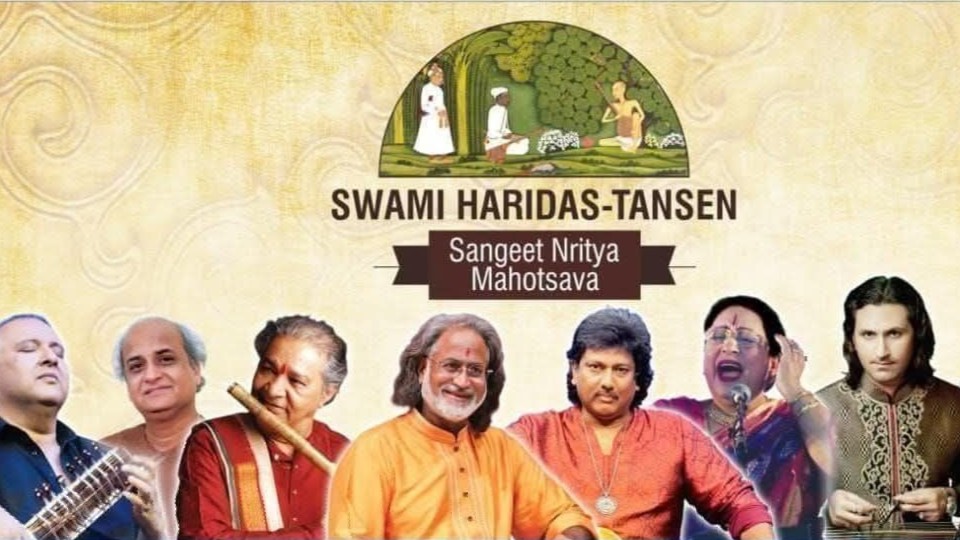

At the Swami Haridas–Tansen Mahotsav in Delhi, renowned sarod player Amaan Ali Bangash emphasized that Indian classical music must evolve to remain relevant, but without diluting its essence. He highlighted the importance of adapting to modern audiences while preserving tradition, asserting that the art form is far from dying.
The 27th edition of the Swami Haridas–Tansen Sangeet Nritya Mahotsav in Delhi opened with powerful performances and thought-provoking reflections on the future of Indian classical music. Sarod maestro Amaan Ali Bangash, son of Ustad Amjad Ali Khan, spoke passionately about the need for evolution in the genre while maintaining its uncompromising authenticity.
Bangash noted that in an era dominated by digital platforms and short-form content, patience and deep listening are rare. Yet, he believes classical music can thrive if artists innovate responsibly, blending tradition with contemporary sensibilities without losing its soul.
Key Highlights:
-
Festival Context: The Mahotsav reaffirmed the relevance of classical traditions in today’s fast-paced cultural landscape.
-
Bangash’s View: Indian classical music must evolve but never compromise its integrity.
-
Challenge of Modernity: Social media and digital trends demand adaptation, but depth and discipline remain central.
-
Performances: Day 1 featured jugalbandi by Pt Vishwamohan Bhatt and Pt Salil Bhatt, Ustad Shujaat Khan’s sitar recital, and Vidushi Ashwini Bhide Deshpande’s vocal performance.
-
Message: Classical music is not dying; it is evolving with resilience and creativity.
Sources: India Today, Millennium Post, Indian Express