
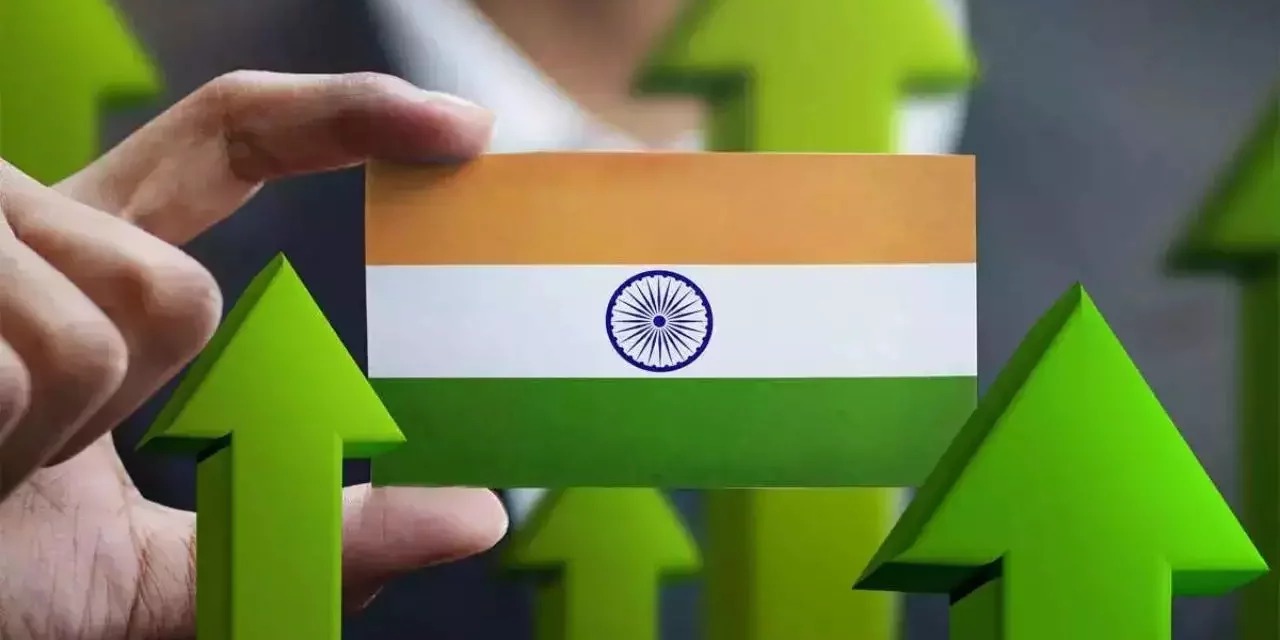
India’s latest policy and budget signals show a deliberate shift toward building a future-ready economy through steady public investment, manufacturing push and fiscal discipline, prioritising resilience over quick stimulus, headline tax cuts or “big-bang” reforms.
The Union Budget 2026–27 has been framed as a roadmap rather than a flashpoint, emphasising long-term growth in manufacturing, infrastructure and MSMEs while consciously avoiding large giveaways. Capital expenditure is set to rise to about Rs 12.2 lakh crore in FY27 from Rs 11.2 lakh crore in FY26, marking more than a six-fold jump since FY15 and keeping public capex as the main growth engine in a still-cautious private investment climate.
At the same time, the fiscal deficit is budgeted at 4.3% of GDP for FY27, slightly below the 4.4% estimate for FY26, with a stated glide path to gradually reduce debt ratios over time. This reflects a careful balance between sustaining growth and preserving macro stability amid global volatility, supply-chain shifts and geopolitical risk.
Key highlights
-
Budget 2026–27 focuses on “building better” rather than big-bang reforms or instant sops.
-
Public capex raised to about Rs 12.2 lakh crore in FY27 vs Rs 11.2 lakh crore in FY26, extending a decade-long capex push.
-
Fiscal deficit targeted at 4.3% of GDP for FY27 with a glide path for lower debt over the medium term.
-
Priority sectors include manufacturing, infrastructure, MSMEs and productivity enhancing investments.
-
Policy stance underscores resilience, continuity and cautious openness amid fragile global conditions.
Sources: The Economic Times; Fortune India; Deloitte India economic outlook; official budget and policy commentary.