
Indian credit cards charge 2-3.5% forex markup fees plus 18% GST on international transactions, inflating costs on swipes abroad. Exchange rates apply on settlement, not swipe date, adding rupee volatility risk. Opt for low/zero markup cards or forex alternatives to save thousands on trips.
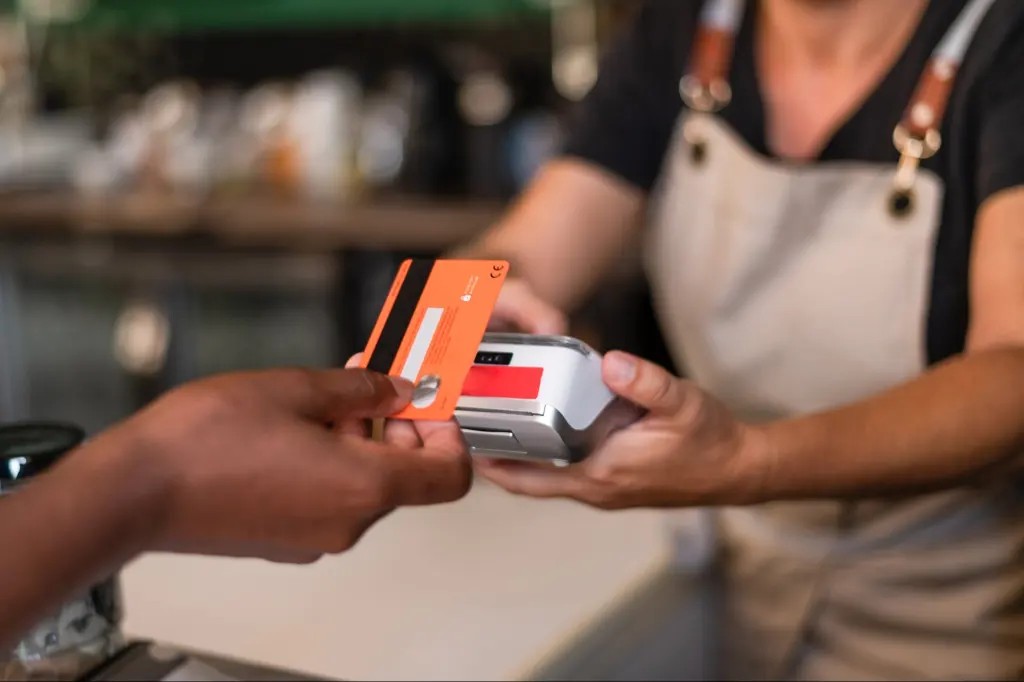
Using an Indian credit card abroad seems convenient for rewards and acceptance, yet hidden charges erode savings quickly. Banks apply forex markup immediately after Visa or Mastercard converts local currency to INR at non-interbank rates. This fee covers processing but often exceeds 3%, turning a Rs 2.4 lakh trip into Rs 2.48 lakh with GST.
Currency conversion happens at settlement, typically days after swipe, so if INR depreciates, bills rise unexpectedly. DCC options at merchants worsen this with 4-8% inflated rates over bank handling. Frequent travelers face amplified impact on hotels, flights, and shopping, where single charges exceed Rs 50,000.
Low-markup alternatives shine: IDFC FIRST WOW at 0% suits budget trips, saving Rs 8,400+ on Rs 2.4 lakh versus 3.5% cards. SBI ELITE's 1.99% cuts costs for premium users with lounge perks. Forex or prepaid cards lock rates upfront, dodging volatility but lacking rewards.
For Indians eyeing 2026 travel boom, checking MITC for latest fees prevents leaks; enable international use pre-trip.
Key Highlights
-
Foreign currency markup fees range from 2% to 3.5% on every overseas swipe, with GST adding 18% extra on the fee portion.
-
A Rs 1 lakh hotel bill can balloon to Rs 1.03-1.04 lakh after markup and taxes, equating to Rs 15,000 extra on Rs 5 lakh spends.
-
Settlement uses exchange rates on billing date, exposing users to rupee weakening that hikes costs post-transaction.
-
Cards like IDFC FIRST WOW offer 0% markup, SBI Card ELITE 1.99%, while standard ones hit 3.5%; zero-fee options eliminate GST on fees too.
-
20% TCS applies on international card spends over Rs 7 lakh annually, further burdening high-spenders despite claimable refunds.
Sources: Moneycontrol, MyMudra