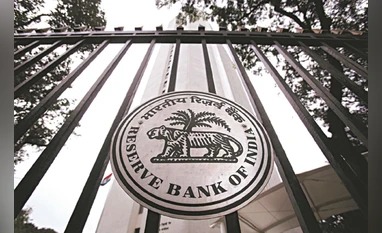

The Union Budget FY27 shifts focus from deficit management to debt sustainability, signaling a new era for India’s fixed income markets. With higher borrowing needs and evolving fiscal priorities, investors must recalibrate strategies as government bonds take center stage in shaping yields, liquidity, and long-term financial stability.
Fiscal Shift
The FY27 budget highlights a transition from short-term deficit reduction to long-term debt management. Rising public expenditure on infrastructure, welfare, and green initiatives has expanded borrowing requirements, making government securities a critical anchor for financial markets.
Impact On Fixed Income Markets
Bond yields are expected to remain sensitive to fiscal signals, with increased issuance likely to influence liquidity and investor appetite. Market participants anticipate greater reliance on domestic savings and institutional investors to absorb debt, while global investors watch India’s fiscal trajectory closely.
Strategic Implications
For investors, the shift underscores the importance of debt sustainability over deficit targets. Fixed income strategies will need to adapt to higher supply of government bonds, potential interest rate adjustments, and evolving macroeconomic conditions.
Key Highlights
-
Budget pivots from deficit reduction to debt sustainability
-
Higher borrowing to fund infrastructure and welfare programs
-
Government securities central to market liquidity and yields
-
Domestic and global investors closely monitoring fiscal trajectory
-
Fixed income strategies must adapt to new debt dynamics
Conclusion
The FY27 budget signals a structural change in India’s fiscal approach, positioning debt management as the cornerstone of financial stability. For fixed income markets, this marks the beginning of a new era where sustainability, transparency, and investor confidence will define long-term resilience.
Sources: Economic Times, Business Standard, Mint