Delhi has undergone a remarkable business transformation in the past year under Chief Minister Rekha Gupta’s leadership. By reducing bureaucratic hurdles and embracing “Minimum Government, Maximum Governance,” the capital has created a more open, trust-driven environment for entrepreneurs, traders, and startups, fueling growth and innovation.
Reforms Driving Change
For decades, Delhi’s economy was slowed by complex licensing procedures and regulatory barriers. In 2025, the government shifted toward a reformist approach, cutting red tape and simplifying processes. This has allowed businesses to focus on competition and innovation rather than paperwork.
Impact On Entrepreneurs
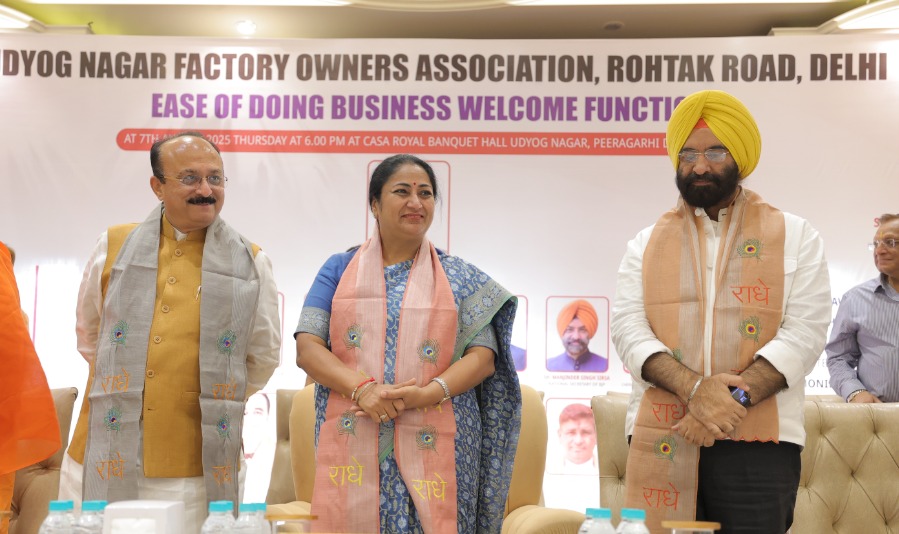
Small traders, factory owners, and startup founders have benefited most from these reforms. The new system encourages entrepreneurship by reducing delays and fostering transparency. Delhi’s business ecosystem is now more attractive to investors and innovators, positioning the city as a hub for growth.
Future Outlook
With reforms in place, Delhi is expected to see stronger industrial expansion, increased startup activity, and greater integration with national and global markets. The transformation reflects a broader vision of empowering businesses while ensuring governance remains supportive rather than restrictive.
Key Highlights
-
Delhi embraces “Minimum Government, Maximum Governance”
-
Licensing and regulatory hurdles reduced significantly
-
Small traders and startups benefit from simplified processes
-
Business ecosystem becomes more investor-friendly
-
City positioned as a hub for industrial and entrepreneurial growth
Conclusion
Delhi’s big business transformation is more than a policy shift—it is a cultural change in governance. By prioritizing trust and transparency, the capital is paving the way for sustained economic growth and a stronger role in India’s future business landscape.
Sources: Millennium Post, The Economic Times, Times Group