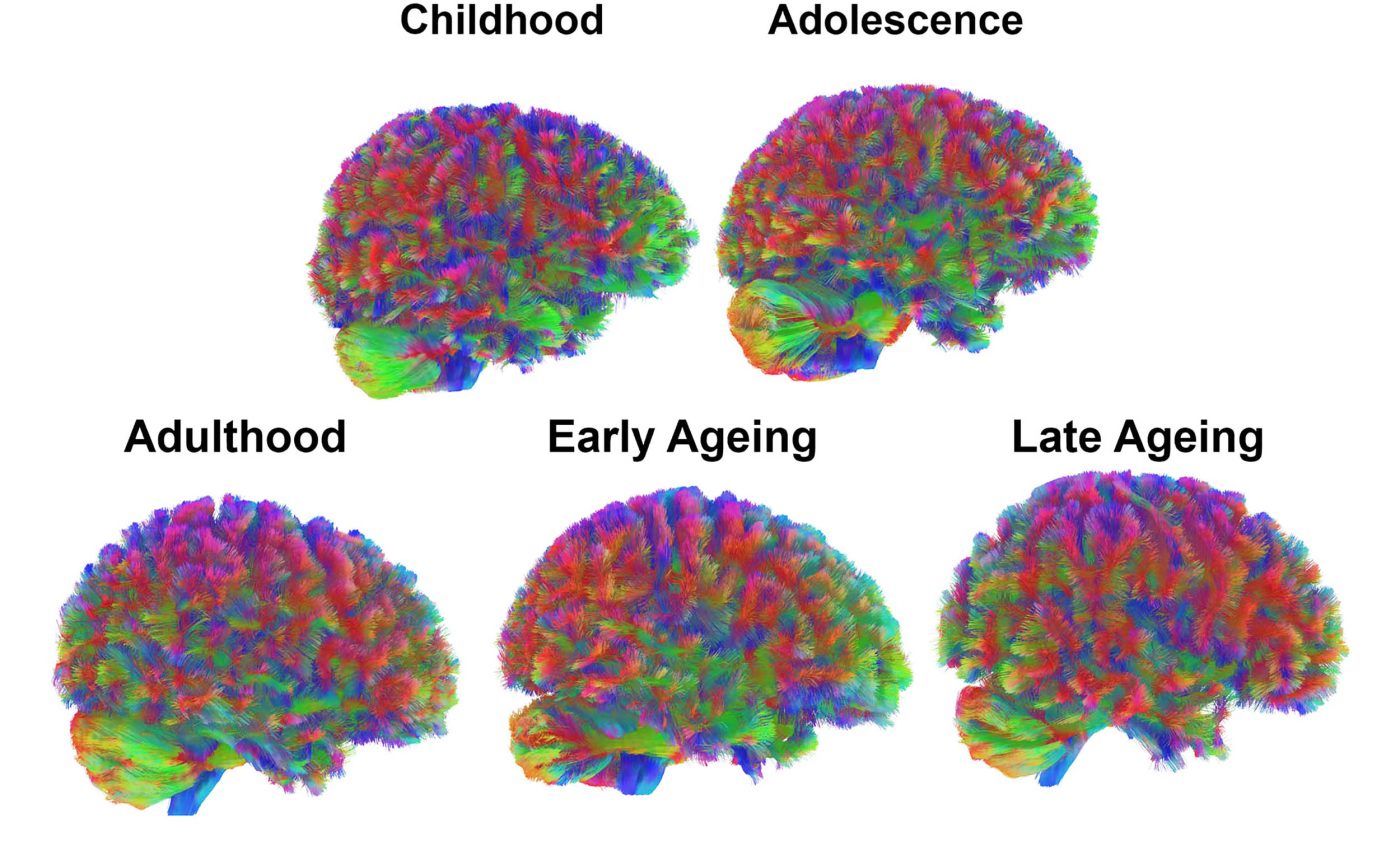






A new study has revealed that the human brain undergoes four major developmental shifts at specific ages—around 9, 32, 66, and 83 years. These turning points mark critical phases in intelligence, maturity, and cognitive ability, shaping how we learn, adapt, and respond throughout life.
Introduction To The Findings
Researchers from the University of Cambridge analyzed brain scans of over 4,200 individuals aged 0 to 90. Using advanced diffusion imaging, they mapped how brain networks reorganize across the lifespan, identifying four distinct ages that define five major developmental eras.
The Four Crucial Ages
• Age 9 – Marks the transition from childhood to adolescence, with rapid changes in learning and memory.
• Age 32 – Represents peak cognitive maturity, decision-making, and problem-solving ability.
• Age 66 – Signals the beginning of age-related decline, with shifts in memory and processing speed.
• Age 83 – Reflects late-life reorganization, influencing resilience, vulnerability, and adaptability.
Implications For Health And Education
Experts suggest these findings could reshape approaches to education, mental health, and age-related disease prevention. By understanding when the brain undergoes major changes, policymakers and healthcare providers can design targeted interventions to support learning, career development, and healthy aging.
Key Highlights
• Study identifies four crucial ages: 9, 32, 66, and 83
• Each age marks a turning point in brain development and maturity
• Research based on diffusion imaging scans of 4,200 individuals
• Findings may inform education, healthcare, and aging strategies
• Highlights vulnerability and resilience across different life stages
Sources: Earth.com, NewsBreak, Urban Health Today, Nature Communications