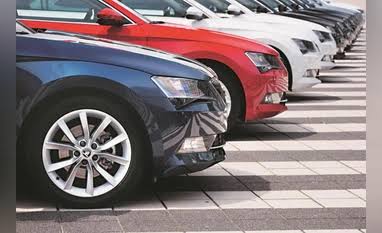




India is preparing to sharply reduce import duties on European Union cars as part of the proposed India-EU free trade agreement. The move aims to boost bilateral trade, attract investment, and provide Indian consumers access to premium European automobiles, while balancing domestic industry concerns over competition.
India is set to make a significant policy shift by cutting import duties on cars from the European Union under the ongoing negotiations for the India-EU free trade pact. Currently, India imposes some of the highest tariffs globally on imported vehicles, with duties ranging between 60% and 100%. The proposed reduction is expected to open the Indian market to European automakers, including Volkswagen, BMW, Mercedes-Benz, and Stellantis, while strengthening economic ties with the EU.
Key highlights from the announcement include
-
India plans to reduce import duties on EU cars under the trade pact.
-
Current tariffs range between 60% and 100%, among the highest globally.
-
Move expected to benefit European automakers seeking greater access to India’s growing market.
-
Indian consumers likely to gain access to premium vehicles at more competitive prices.
-
Government aims to balance consumer benefits with protection for domestic manufacturers.
-
Trade pact negotiations also cover sectors such as renewable energy, digital trade, and pharmaceuticals.
Analysts note that the reduction in duties could reshape India’s automobile market, making luxury and mid-segment European cars more affordable. However, domestic automakers have expressed concerns about increased competition, urging the government to ensure safeguards for local industry. The pact is also expected to include provisions for technology transfer, sustainability, and investment facilitation.
The India-EU trade agreement, under discussion for several years, is seen as a landmark deal that could significantly boost bilateral trade volumes. For India, the pact offers opportunities to expand exports in textiles, IT services, and pharmaceuticals, while the EU seeks greater access to India’s fast-growing consumer base.
The proposed tariff cuts on cars symbolize India’s broader strategy of integrating more deeply into global trade networks, while balancing domestic priorities. If finalized, the deal could mark a turning point in India-EU relations, enhancing cooperation across economic, technological, and strategic domains.
Sources: Reuters, Economic Times, Business Standard