
India is pressing the European Union for easier access to steel scrap under ongoing trade negotiations. The move aims to counter the impact of the EU’s new Carbon Border Adjustment Mechanism (CBAM), which imposes duties linked to carbon emissions. Indian officials argue that restricted scrap access acts as a non-tariff barrier.
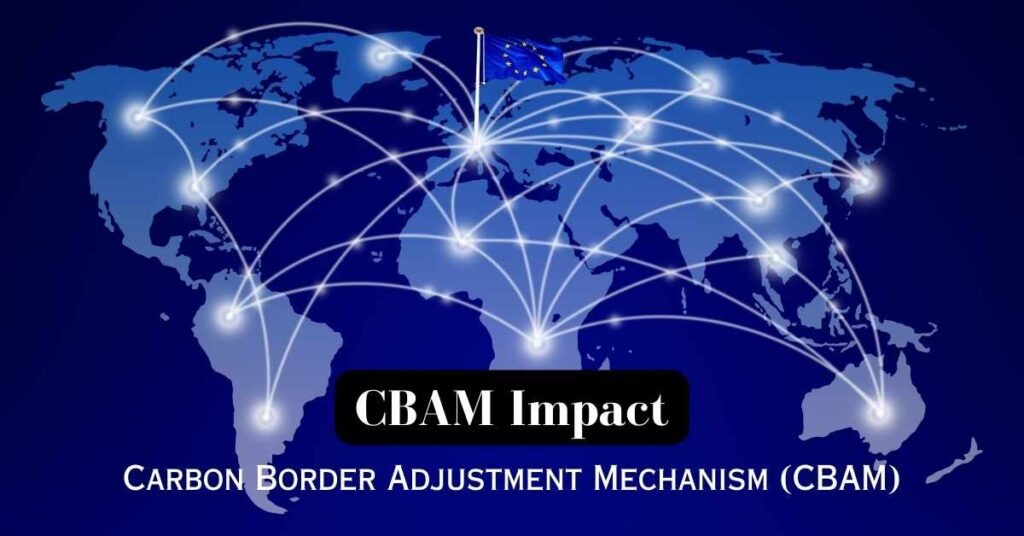
India has stepped up its push for greater access to steel scrap from the European Union, as part of trade talks designed to soften the blow of the EU’s newly implemented carbon-linked import duty. The duty, introduced under the Carbon Border Adjustment Mechanism (CBAM) on January 1, 2026, has raised concerns among Indian steelmakers about competitiveness and costs.
The government is positioning scrap imports as a critical input for its “green steel initiative”, which emphasizes arc furnace technology and recycling to reduce emissions. Indian negotiators argue that the EU’s recycling policies, combined with CBAM, create non-tariff barriers that disadvantage Indian exporters.
Key Highlights:
Policy Context:
-
EU’s CBAM imposes duties on imports based on carbon emissions.
-
Indian steelmakers fear higher costs and reduced competitiveness.
India’s Demand:
-
Easier access to EU steel scrap under trade agreements.
-
Scrap seen as vital for green steel production and emission reduction.
Industry Concerns:
-
EU recycling rules restrict scrap exports.
-
Indian manufacturers call this a double burden alongside CBAM.
Strategic Goal:
-
Strengthen India’s steel sector while aligning with climate commitments.
-
Ensure fair trade practices in global steel markets.
This negotiation underscores India’s determination to balance sustainability goals with industrial competitiveness, while challenging restrictive EU trade measures.
Sources: Indian Express, Business Standard, Economic Times