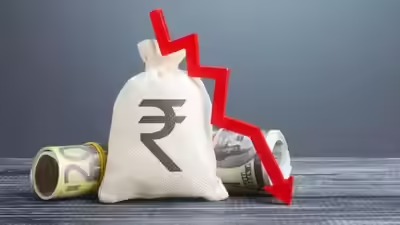

The Indian rupee closed at its weakest level ever, ending down 0.8% at 91.6950 per US dollar compared to the previous close of 90.9750. The decline was driven by foreign fund outflows, global geopolitical tensions, and cautious investor sentiment, weighing heavily on emerging market currencies.
On January 21, 2026, the Indian rupee recorded its lowest closing level in history, settling at 91.6950 against the US dollar. This marks a sharp 0.8% depreciation from the previous close of 90.9750. The currency’s weakness reflects persistent foreign capital outflows, heightened global uncertainties, and strong demand for the US dollar.
Market analysts noted that the Reserve Bank of India’s intervention was not immediately visible during the trading session, leaving the rupee vulnerable to external pressures. The fall has raised concerns over import costs, inflationary trends, and the broader impact on India’s trade balance.
Key Highlights
-
Indian rupee closed at 91.6950 per US dollar, down 0.8% from 90.9750
-
Lowest closing level ever recorded for the currency
-
Decline attributed to foreign fund outflows and global geopolitical tensions
-
Reserve Bank of India’s intervention not evident during the session
-
Weakness raises concerns over inflation and import costs for the Indian economy
Future Outlook
The rupee’s trajectory will depend on global risk sentiment, foreign capital flows, and RBI’s policy stance. Analysts expect volatility to persist in the near term, with external factors continuing to exert pressure on the currency.
Sources: The Quint, The Hindu, Exchange-Rates.org