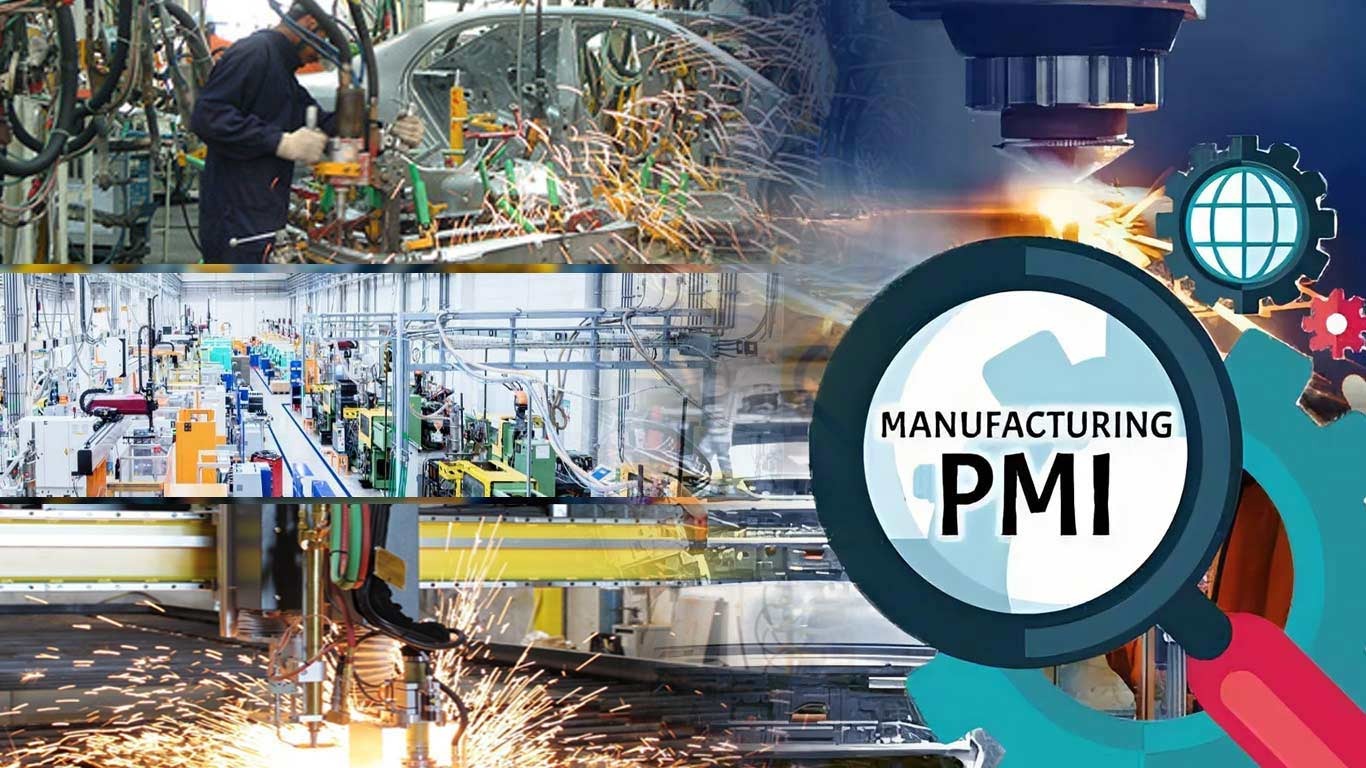
India’s HSBC/S&P Global Manufacturing PMI for January 2026 came in at 55.4, lower than the forecast of 57.0 and December’s 56.8. While the reading indicates continued expansion, the slower pace reflects easing demand momentum and rising input costs. Analysts highlight resilience but caution against global headwinds impacting industrial growth.
India’s manufacturing sector began 2026 on a softer note, with the HSBC/S&P Global Manufacturing PMI registering 55.4 in January, down from 56.8 in December and below the forecast of 57.0. Despite the moderation, the index remains comfortably above the 50-mark, signaling ongoing expansion in factory activity.
The slowdown was attributed to weaker new orders, modest hiring, and rising input costs, even as firms reported improved supplier delivery times. Export demand showed resilience, but domestic consumption softened slightly compared to the previous quarter. Economists suggest that while India’s manufacturing remains robust, global uncertainties and inflationary pressures could weigh on near-term momentum.
Key Highlights:
January PMI: 55.4 vs. forecast 57.0; December reading 56.8.
Expansion Zone: Above 50, indicating continued growth.
Drivers: Softer new orders, modest employment gains, rising input costs.
Exports: Demand remained steady, supporting overall activity.
Outlook: Analysts expect resilience but caution against global headwinds and inflation risks.
The PMI data underscores India’s manufacturing strength but also signals the need for policy support and supply chain resilience to sustain growth amid global volatility.
Sources: S&P Global; HSBC India; Moneycontrol; Trading Economics