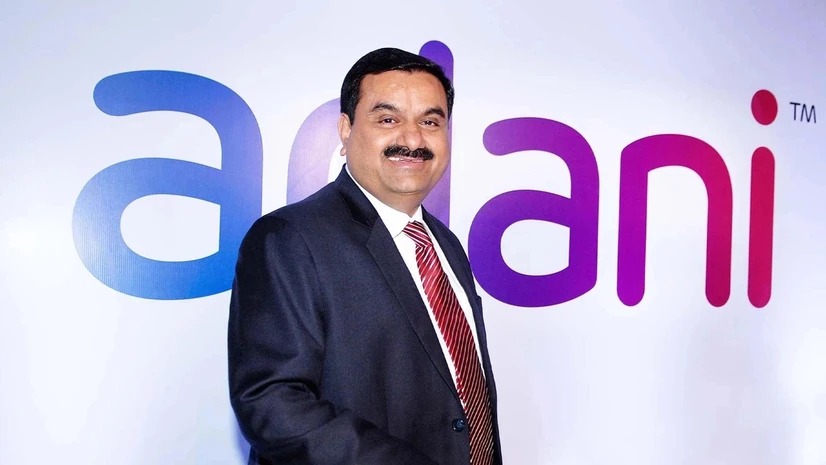

Image Source: The Indian Express
The global order in 2026 is marked by geopolitical fragmentation, economic weaponisation, and technological disruption. For India, this environment presents both risks and opportunities. By pursuing strategic autonomy, strengthening national security capabilities, and deepening global partnerships, India is quietly recalibrating its role in shaping a stable and resilient future.
Show more
Global Context
The year 2026 has seen the erosion of post–World War II institutions, with alliances becoming increasingly transactional and global governance struggling to remain effective. Rising tensions across regions, from the Indo-Pacific to Europe, highlight the volatility and uncertainty defining international politics.
India’s Calculations
India is adopting a cautious yet proactive approach. Strategic autonomy remains central, allowing flexibility in partnerships while avoiding overdependence on any single bloc. Investments in indigenous defence, civil–military integration, and technological self-reliance are being prioritized. India is also quietly expanding its diplomatic footprint, balancing ties with the US, EU, and Asian partners.
Key Highlights
Global order defined by volatility, uncertainty, and fragmentation
Alliances increasingly transactional, governance structures weakened
India emphasizes strategic autonomy and self-reliance
Focus on indigenous defence and technological capabilities
Diplomatic balancing across major global powers
Conclusion
India’s quiet calculations in 2026 reflect a pragmatic response to a disrupted world order. By combining autonomy with selective engagement, India aims to safeguard sovereignty while positioning itself as a stabilizing force in an era of anxiety and shifting power dynamics.
Sources: The Atlantic Council, Times Now, ABP Live
Stay Ahead – Explore Now!
Korea-India Summit Under Discussion, Says India’s Envoy To Seoul

Advertisement
Advertisement