






Follow WOWNEWS 24x7 on:


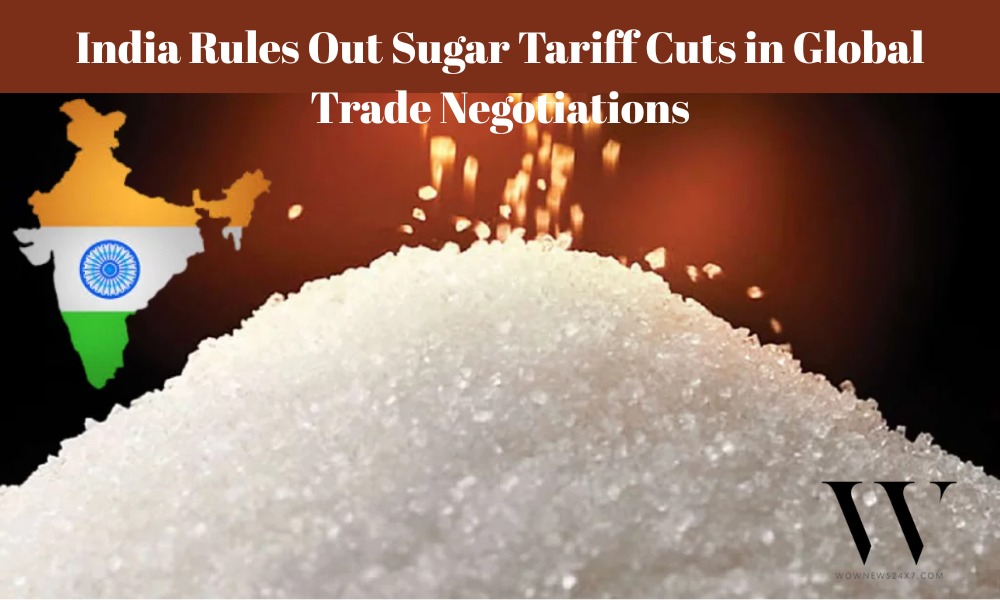
India’s Trade Minister declared that no tariff concessions will be permitted on sugar imports under any trade agreement. The move aims to safeguard domestic farmers, stabilize the sugar industry, and align with India’s broader trade policy of protecting key agricultural sectors while pursuing global partnerships.
Show moreStay Ahead – Explore Now! Bajaj Auto Confirms KTM AG Pre-Pays All Dues Under Facility Agreement



Updated: March 09, 2026 19:53

Updated: March 08, 2026 19:49

Updated: March 07, 2026 19:54












Follow WOWNEWS 24x7 on:





Copyright 2024 WOWNEWS 24x7. All rights reserved. The WOWNEWS 24x7 is not responsible for the content of external sites. Read about our approach to external linking.
Powered By Just Imagine
