






Follow WOWNEWS 24x7 on:


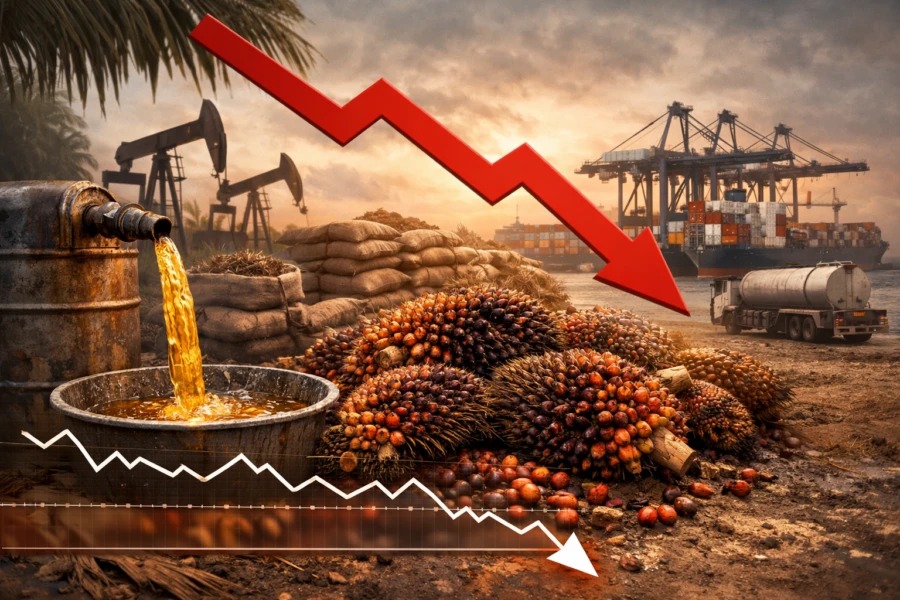
Malaysia’s benchmark crude palm oil futures (FCPOc3) fell 3.96% to 4,397 ringgit per metric ton, reversing recent gains. The decline reflects weaker demand sentiment and broader commodity market adjustments, raising concerns over export competitiveness and pricing stability in the global edible oil trade.
Show moreStay Ahead – Explore Now! Tentative USFDA Nod Positions Gland Pharma for U.S. Market Entry in Eye-Care Segment



Updated: March 09, 2026 19:53

Updated: March 08, 2026 19:49

Updated: March 07, 2026 19:54













Follow WOWNEWS 24x7 on:





Copyright 2024 WOWNEWS 24x7. All rights reserved. The WOWNEWS 24x7 is not responsible for the content of external sites. Read about our approach to external linking.
Powered By Just Imagine
