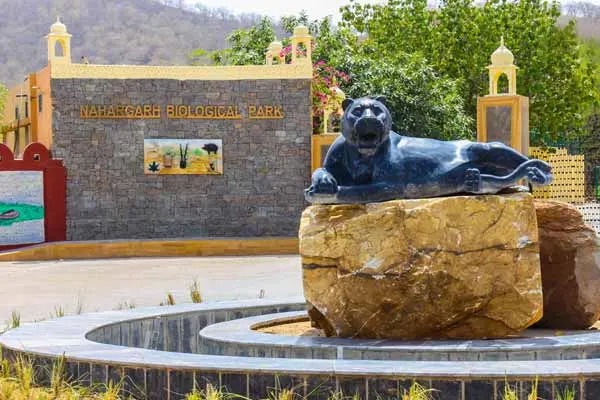

As Rajasthan faces an intense cold wave, Jaipur’s Nahargarh Biological Park has introduced special arrangements to safeguard its wildlife. Measures include installing heaters in enclosures, modifying diets with supplements, and adding protective coverings. Authorities emphasize that these steps are crucial to maintaining animal health and preventing seasonal stress.
Jaipur’s Nahargarh Biological Park, home to a wide variety of wildlife including tigers, leopards, lions, and deer, has taken proactive steps to protect animals from the harsh winter conditions gripping Rajasthan. With temperatures dropping significantly, the park administration has prioritized animal welfare by introducing heating systems, dietary changes, and medical precautions.
Key highlights from the announcement include
-
Heaters have been installed in animal enclosures to maintain warmth during freezing nights.
-
Curtains and coverings have been placed around cages to block cold winds and reduce exposure.
-
Wildlife diets have been modified to include protein and calcium supplements, ensuring better immunity and energy levels.
-
Senior wildlife doctor Dr. Arvind Mathur confirmed that precautionary medicines are being administered to help animals regulate body temperature.
-
Special attention is being given to big cats such as tigers and lions, which are more vulnerable to cold stress.
-
Authorities emphasized that these measures are temporary but essential for maintaining animal health during the peak of winter.
-
The park continues to monitor animal behavior closely to detect early signs of discomfort or illness.
These arrangements highlight the park’s commitment to animal welfare and reflect broader conservation practices in India, where zoos and biological parks adapt to seasonal extremes. By combining infrastructure upgrades with nutritional and medical support, Nahargarh Biological Park is ensuring that its wildlife remains safe and healthy despite the severe cold wave.
Sources: Asianet Newsable, ANI News, The Federal