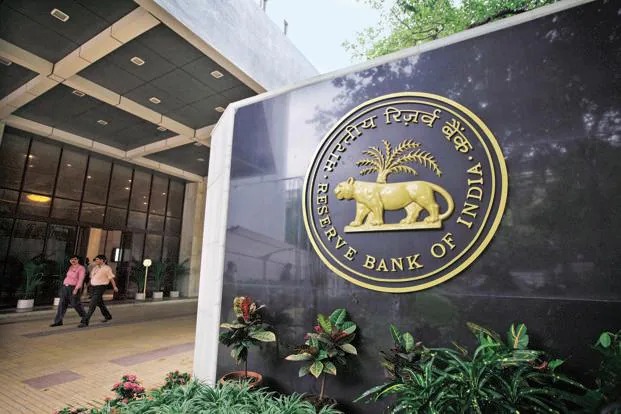

The Reserve Bank of India (RBI) has urged banks to increase direct lending to priority sectors such as agriculture, small businesses, and affordable housing. The move aims to reduce reliance on indirect routes like certificates and intermediaries, ensuring credit reaches intended beneficiaries more effectively and strengthens inclusive growth.
The RBI has emphasized the need for banks to step up direct lending to priority sectors, highlighting that indirect methods often dilute the impact of credit flow. Priority sector lending (PSL) is a critical policy tool designed to channel funds into areas that support inclusive development, including rural infrastructure, renewable energy, and micro-enterprises.
By encouraging direct engagement, the RBI seeks to improve transparency, accountability, and efficiency in credit delivery. This shift is expected to benefit farmers, small entrepreneurs, and low-income households who often face challenges accessing formal credit. Banks are being advised to strengthen their outreach, adopt innovative models, and leverage technology to ensure timely and targeted lending.
Key Highlights
-
RBI urges banks to reduce reliance on indirect PSL routes
-
Focus on agriculture, MSMEs, affordable housing, and renewable energy
-
Direct lending expected to improve transparency and efficiency
-
Beneficiaries include farmers, small entrepreneurs, and low-income households
-
Banks encouraged to use technology for better credit delivery
Conclusion
The RBI’s push for direct priority sector lending reflects its commitment to inclusive growth and financial stability. By ensuring credit reaches those who need it most, the initiative could strengthen rural economies, empower small businesses, and support India’s long-term development goals.
Sources: Business Standard, Economic Times, Mint