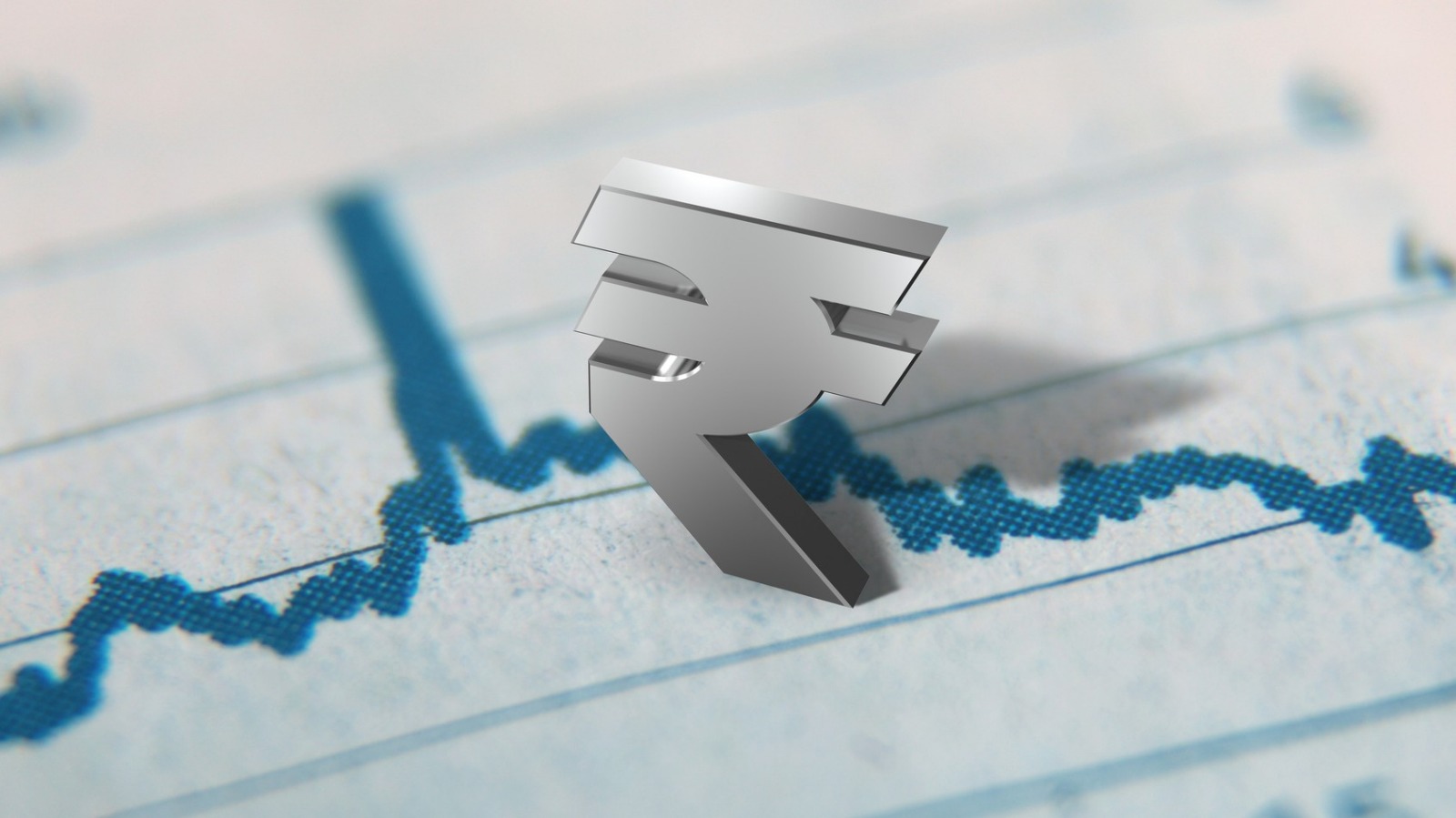

The Indian rupee has fallen to a record low of ₹92 against the U.S. dollar, intensifying inflationary pressures. Imports, overseas education, and foreign travel will become more expensive, while exporters may gain competitiveness. Analysts warn that households and businesses must brace for higher costs until global currency and trade tensions ease.
India’s currency markets witnessed a sharp depreciation as the rupee slid to ₹92 per U.S. dollar, marking its weakest level ever. The fall, driven by foreign investor outflows, strong dollar demand, and global trade tensions, has immediate implications for consumer spending and business operations.
Key Highlights:
-
Imports Costlier: Crude oil, electronics, and machinery imports will see price hikes, impacting fuel and gadget costs.
-
Household Impact: Overseas education fees, foreign travel, and luxury imports will become significantly more expensive.
-
Inflationary Pressure: Rising import costs are expected to push retail inflation higher, affecting everyday essentials.
-
Exporter Advantage: Indian exporters may benefit from improved price competitiveness, though gains are limited if inputs are imported.
-
Market Drivers: Sustained foreign fund outflows and global risk-off sentiment have weakened the rupee.
-
Outlook: Analysts expect volatility to persist until fiscal clarity from the Union Budget and stabilization in global trade.
The rupee’s record low underscores the fragile balance between global headwinds and domestic resilience, making it crucial for households and businesses to plan spending carefully in the coming months.
Sources: Business Standard, Financial Express, NDTV, Reuters.