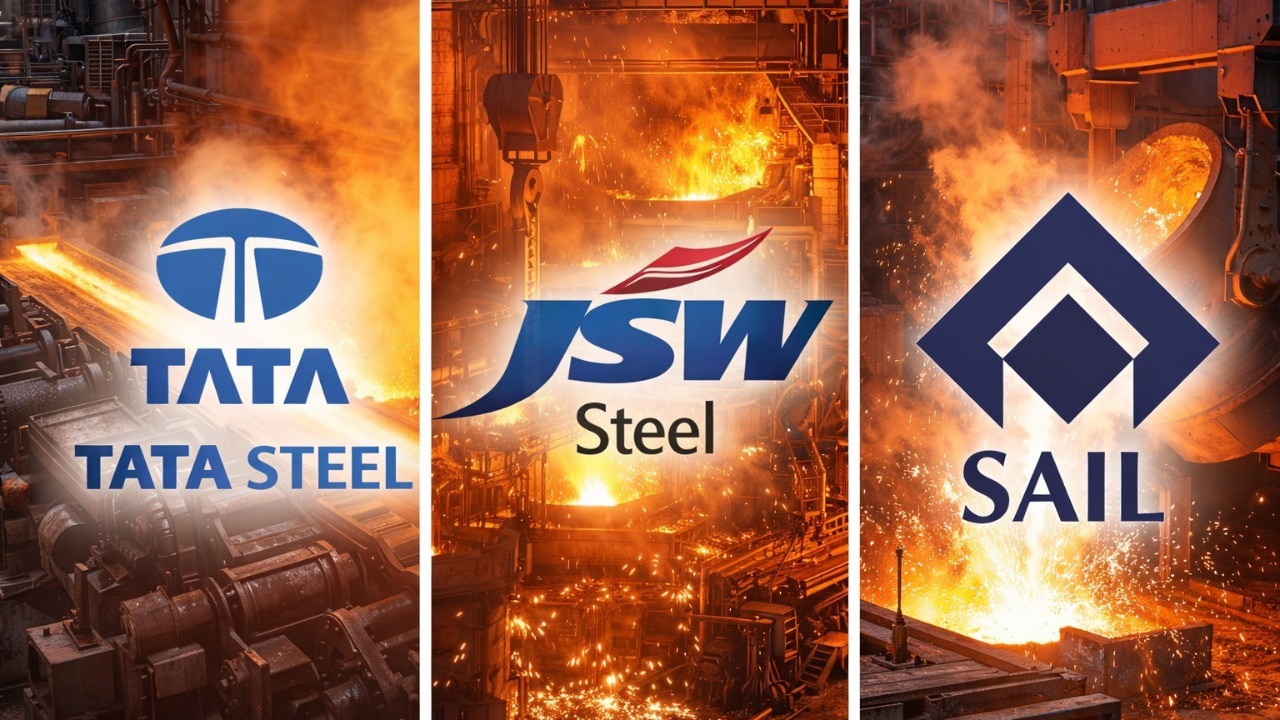

An exclusive report reveals that India’s antitrust investigation has found circumstantial evidence suggesting concerted efforts by leading steelmakers, including SAIL, RINL, JSW Steel, and Tata Steel, to coordinate pricing. While the companies deny wrongdoing, investigators cite WhatsApp chats and production data as indicators of possible cartel behavior.
India’s antitrust authorities have intensified scrutiny on the country’s largest steel producers, with documents showing potential cartel-like practices. The probe links Tata Steel, JSW Steel, Steel Authority of India Ltd (SAIL), and Rashtriya Ispat Nigam Ltd (RINL) to alleged price coordination. Investigators claim there is “enough circumstantial evidence” of concerted efforts, citing WhatsApp communications and production data.
Despite these findings, all four companies have denied any wrongdoing during questioning, maintaining that their pricing strategies are independent and market-driven. The investigation highlights growing regulatory focus on competition practices in India’s steel sector, which plays a critical role in infrastructure and industrial growth.
Key Highlights
-
Antitrust probe cites WhatsApp chats and production data as evidence
-
SAIL, RINL, JSW Steel, and Tata Steel deny allegations of cartel behavior
-
Investigators claim circumstantial evidence of coordinated pricing efforts
-
Steel sector under increased regulatory scrutiny amid rising demand
-
Outcome could impact industry practices and investor sentiment
Future Outlook
The probe’s findings may lead to stricter oversight of pricing practices in India’s steel industry. While companies continue to deny collusion, regulators are expected to deepen investigations, potentially reshaping competitive dynamics in one of India’s most vital industrial sectors.
Sources: Reuters Exclusive, Economic Times, Business Standard