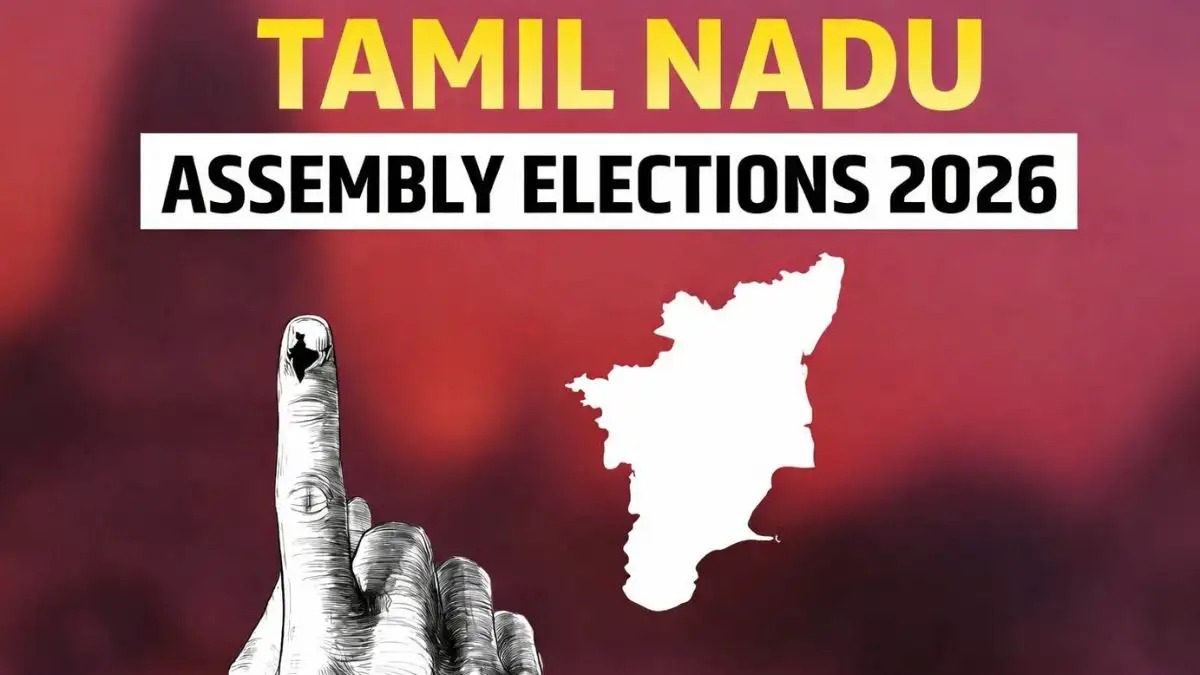




Tamil Nadu Assembly elections 2026 will be held in a single phase on April 23 across all 234 constituencies. Key battles include Kolathur, where Chief Minister MK Stalin seeks re-election, and actor-turned-politician Vijay, who may contest from Perambur or Tiruchirappalli East. AIADMK’s Edappadi K Palaniswami also faces a crucial test.
The Election Commission has announced that Tamil Nadu will vote in one phase on April 23, 2026, with results to be declared on May 4. Political attention is now focused on high-profile constituencies and star candidates who are expected to shape the outcome of this fiercely contested election.
Kolathur In Spotlight
Kolathur in Chennai remains one of the most watched constituencies. Represented by Chief Minister and DMK President MK Stalin since 2011, the seat has become synonymous with welfare project launches and political visibility. Stalin is widely expected to retain the constituency, reinforcing DMK’s stronghold in Chennai.
Vijay’s Entry Into Politics
Actor Vijay, leading Tamilaga Vettri Kazhagam (TVK), is one of the most anticipated candidates. Reports suggest he may contest from either Perambur in North Chennai or Tiruchirappalli East. His entry is expected to energize younger voters and challenge traditional party dynamics.
AIADMK’s Strategy
Former Chief Minister Edappadi K Palaniswami will contest from Edappadi, his home turf. AIADMK, in alliance with BJP, is banking on consolidating votes in western Tamil Nadu while countering DMK’s dominance in urban centers.
Election Highlights
-
Single-phase voting on April 23, 2026
-
Results to be declared on May 4, 2026
-
MK Stalin expected to retain Kolathur
-
Actor Vijay likely to contest from Perambur or Tiruchirappalli East
-
Edappadi K Palaniswami to defend Edappadi constituency
-
AIADMK-BJP alliance seeks western Tamil Nadu gains
Future Outlook
With DMK aiming to consolidate its majority, AIADMK strategizing regional strongholds, and Vijay’s TVK adding a new dimension, Tamil Nadu’s 2026 election promises a three-way contest. Voter turnout and youth engagement will be decisive factors in shaping the state’s political future.
Sources: Mathrubhumi English, Moneycontrol, ThePrint, Wikipedia