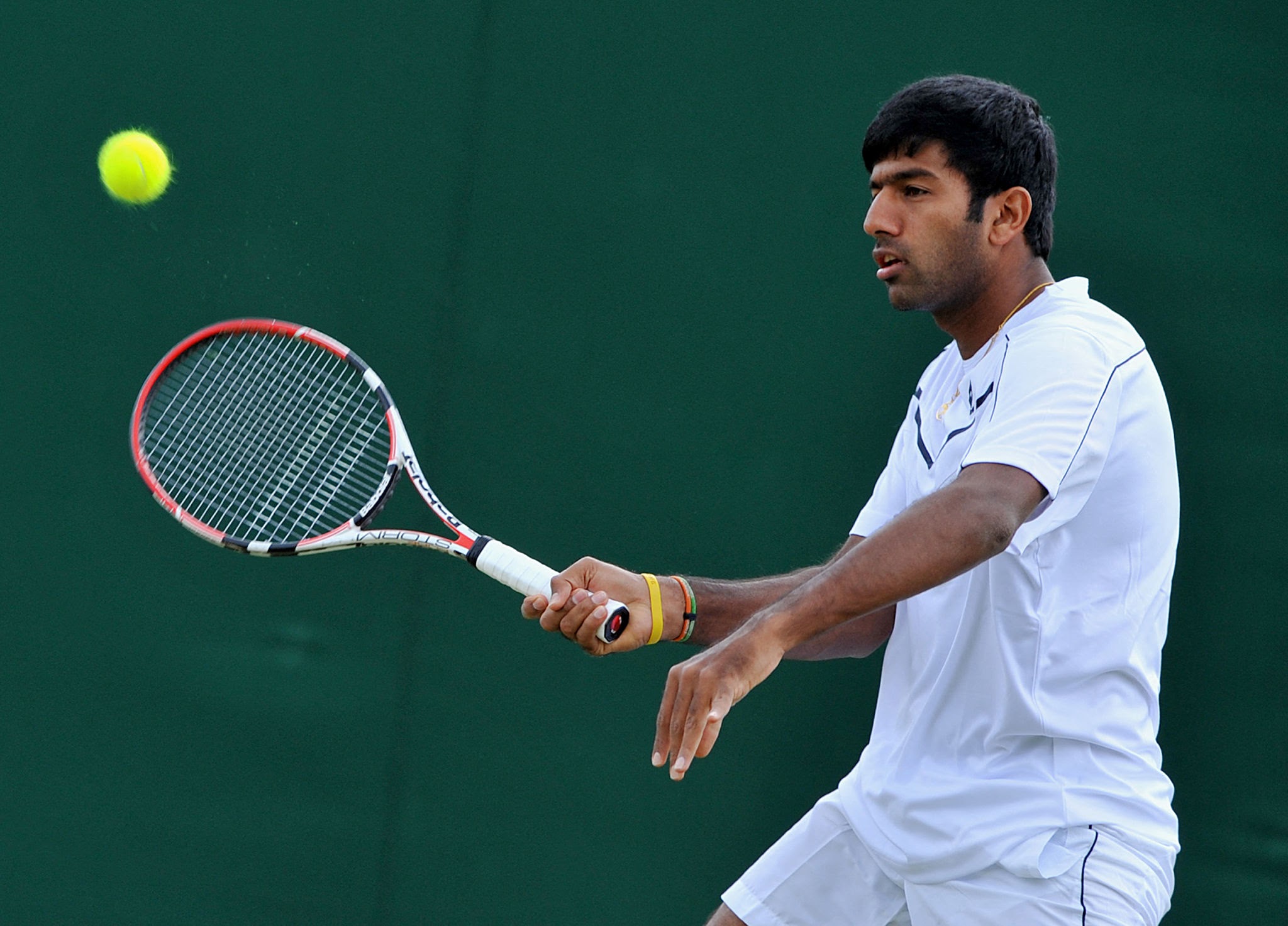
The legendary Indian tennis legacy forged by Paes, Bhupathi, and Mirza faces an uncertain future due to a widening talent gap in the singles arena. High travel expenses and limited high-performance infrastructure have left India without steady top-100 singles players, forcing the current generation into early doubles specialization.
MUMBAI — A critical transition point has emerged for the future of Indian tennis following the recent institutional reviews conducted on Friday, July 17, 2026. Sports administrators and national technical directors are examining a significant developmental vacuum within the elite international circuits.
With the iconic era defined by multi-time Grand Slam champions Leander Paes, Mahesh Bhupathi, and Sania Mirza fully concluded, and veteran doubles icon Rohan Bopanna operating in the twilight of his career, India faces the immediate prospect of having zero representation inside the top 100 singles rankings of both the ATP and WTA tours. The systemic deficit has prompted emergency stakeholder assessments aimed at restructuring domestic grass-courts funding, corporate sponsorship distributions, and specialized high-performance conditioning loops before the next Olympic cycle commences.
The Singles Deficit Straining the Indian Tennis Legacy
The primary structural issue confronting the domestic ecosystem is the widening separation between transient doubles specialization and sustained singles viability. During the late 1990s and across the 2000s, the combined visibility of Paes, Bhupathi, and later Mirza ensured that the Indian tennis legacy maintained constant prominence at premium Grand Slam venues, drawing extensive broadcast investments and institutional grass-roots participation.
According to official historical ranking records maintained by the Association of Tennis Professionals (ATP), India has failed to transition a male singles player into the absolute top 50 tier since Somdev Devvarman reached a career-high of world number 62 in 2011. While standard contemporary contenders such as Sumit Nagal have registered isolated baseline successes including qualifying for main-draw Grand Slam positions and securing individual challenger titles consistently managing the physical demands required to defend top-100 standing remains an uphill struggle due to limited high-tier technical support networks within the sub-continent.
Infrastructure Gaps Shift Talents to Doubles Comfort Zones
Technical directors from state training academies point out that the severe financial burden of competing on the international tour remains the greatest barrier for upcoming players. Transitioning a young local player from the regional junior ranks onto the global ITF and ATP futures circuit requires an estimated annual capital expenditure between ₹60 lakh and ₹90 lakh to secure standard coaching travel, physical therapists, and transit logistics.
Lacking sustained financial backing from the All India Tennis Association (AITA) or long-term private corporate endorsements, many domestic competitors systematically abandon singles brackets by their mid-20s. They pivot exclusively toward doubles formats, where lower physical demands and shared financial outlays offer a more viable career length. While this mechanical shift has preserved localized representation in Davis Cup matches, it leaves India completely isolated from the lucrative global singles spotlight that drives mass media coverage and commercial brand sponsorships.
Official Sources Section
All ranking trajectories, historical tournament data, athlete funding allocations, and international sports metrics are cross-referenced from the formal transaction registries managed by the All India Tennis Association (AITA), the Association of Tennis Professionals (ATP) Tour, and the Women's Tennis Association (WTA).
Quote Section
"According to officials at our national high-performance training camps, the baseline training model must undergo rapid evolution," a former Indian Davis Cup captain stated during a regional infrastructure review. "We cannot expect isolated individual athletes to survive the modern baseline grind without a centralized, heavily subsidized European training base. Relying on the natural appearance of rare talents like Paes or Mirza is no longer a viable plan."
Why It Matters
The unresolved leadership transition across court infrastructure carries deep social and economic implications:
For Young Athletes: A lack of visible, top-ranked singles stars limits the direct career pathways, corporate backing, and athletic role models essential for youth development.
For Sports Investors: Corporate brands and commercial media networks are shifting advertising budgets away from tennis toward fast-growing sports like badminton and franchise cricket leagues.
For Domestic Academies: Without major international singles success to point to, regional training centers face dropouts in enrollment, making it harder to sustain high-tier clay and hard-court facilities.
Key Facts at a Glance
The Talent Void: India currently lacks any singles player securely holding a position inside the top 100 ATP or WTA rankings.
Historical Reference: The domestic standard remains anchored to the historic era when Paes, Bhupathi, and Mirza collectively captured more than 30 Grand Slam titles.
Financial Burden: Developing a competitive international singles profile requires an estimated ₹60 to ₹90 lakh in annual private capital support.
Structural Pivot: Limited financial backing forces local players to transition prematurely into doubles configurations to sustain their professional careers.
FAQ Section
Who are the top players currently attempting to carry the Indian tennis legacy?
Sumit Nagal remains the primary representative in the men's singles domain, alongside doubles competitors like N. Sriram Balaji and Yuki Bhambri who continue to represent the nation at the Grand Slam level.
Why did India succeed in doubles but fall behind in singles formats?
Doubles competition demands less covering of open court space, lower extreme physical endurance, and shared travel expenses, making it an accessible route for players lacking heavy corporate financial backing.
What changes are needed to develop a world-class singles player from India?
Coaches emphasize the necessity of establishing dedicated domestic clay-court clusters, providing fully subsidized travel grants for junior ITF transition phases, and ensuring long-term access to specialized fitness teams.
Source: All India Tennis Association (AITA), ATP Tour Official Records, International Tennis Federation (ITF) Development Reports.