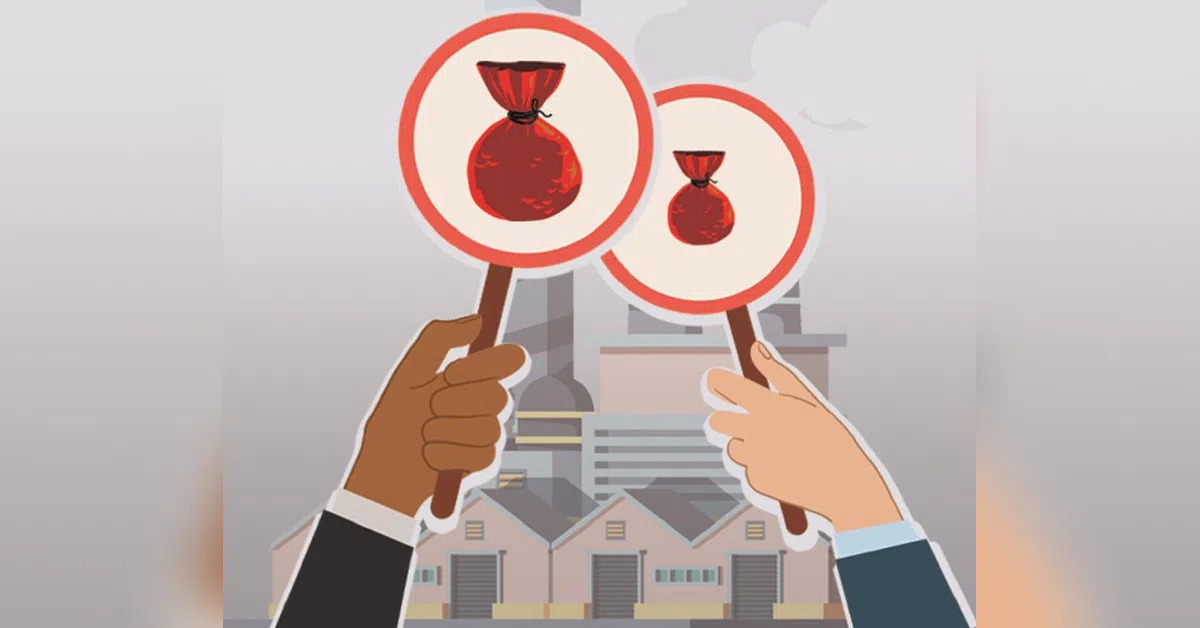
Nine Indian states raised ₹179 billion in a Reserve Bank of India auction on Wednesday, exceeding their ₹169 billion target. The auction, involving fresh and re-issued State Development Loans, saw competitive bidding across various maturities. These securities remain vital for state fiscal management and institutional fixed-income portfolios across the country.
Nine Indian states collectively raised ₹179 billion through the issuance of State Development Loans (SDLs) on Wednesday, surpassing their combined notified target of ₹169 billion. The Reserve Bank of India (RBI) facilitated the auction, which saw a mix of fresh issuances and re-issuances of existing securities, reflecting varied fiscal requirements across the states.
The auction results, released late Wednesday, highlighted specific market clearing rates for re-issued securities. Madhya Pradesh saw a cut-off of 7.46% for its 7.64% SDL due in 2034, while its 7.83% securities maturing in 2048 were issued at a yield of 7.77%. Similarly, Kerala secured funding through a re-issuance of its 7.83% SDL 2049, with a cut-off yield of 7.7692%.
Market Response and Fiscal Implications
State Development Loans are debt instruments issued by Indian state governments to fund their fiscal deficits, including infrastructure projects and revenue expenditure. Because these securities are backed by the respective state governments, they are often viewed as high-quality assets. While they do not carry an explicit central government guarantee, they are regulated by the Reserve Bank of India, which manages the auction process through its E-Kuber core banking solution.
The fact that states raised ₹179 billion against a target of ₹169 billion indicates strong appetite from institutional investors, including banks, insurance companies, and provident funds, which utilize these instruments to meet their Statutory Liquidity Ratio (SLR) requirements.
Understanding the Auction Process
The RBI conducted the auction electronically, allowing both competitive and non-competitive bids. Under the non-competitive bidding facility, a portion of the notified amount—typically up to 10%—is reserved for retail investors and eligible institutions, providing a pathway for individual participation through the RBI Retail Direct portal.
According to market analysts, the yield on SDLs generally trades at a spread over comparable central government securities. This "yield premium" is often attributed to the lower liquidity of state bonds compared to central government debt. However, for investors seeking a balance between safety and returns, SDLs remain a cornerstone of fixed-income portfolios.
Key Facts at a Glance
Total Amount Raised: ₹179 billion across nine Indian states.
Target vs. Actual: States outperformed their combined borrowing target of ₹169 billion.
Auction Mechanism: Conducted by the Reserve Bank of India via the E-Kuber electronic platform.
Investor Base: Primarily institutional, including banks, mutual funds, and insurance companies, with retail access via RBI Retail Direct.
Instrument Type: Includes both fresh issuances and re-issuances of existing State Development Loans (SDLs).
FAQ
What are State Development Loans (SDLs)?
SDLs are government securities issued by Indian states to raise funds from the market to finance their fiscal deficits and development projects, such as infrastructure and public welfare programs.
Why do states borrow more than their target?
The "greenshoe option" often allows states to accept additional subscriptions beyond the initial notified amount if there is strong investor demand, helping them meet their financing requirements efficiently.
Are SDLs safe for individual investors?
SDLs are considered high-quality, low-risk instruments as they are issued by state governments and regulated by the Reserve Bank of India. However, they are subject to market risks like interest rate fluctuations.
How can I invest in these securities?
Individual investors can participate in these auctions through the RBI Retail Direct platform, which allows for non-competitive bidding.
Source: Reserve Bank of India, RBI Retail Direct