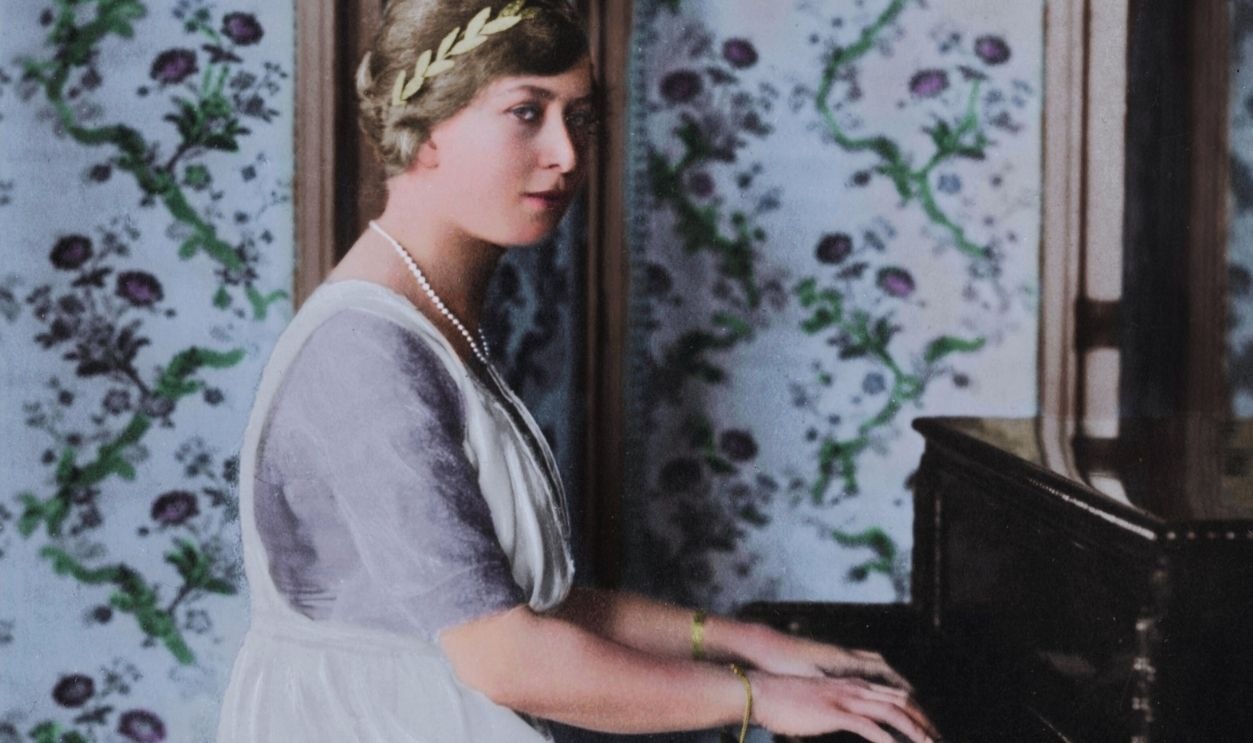
In historical evaluations of the House of Windsor, Princess Mary, Princess Royal, stands out in British royal history for her unwavering dedication to public duty during world wars and social transformation. Free of scandal, her lifetime of voluntary medical service and institutional stewardship offers modern historians a crucial lens on royal resilience.
LONDON — Historical reassessments published by royal heritage archivists on August 1, 2026, highlight how Princess Mary, Princess Royal, stands out in British royal history as one of the twentieth century's most dedicated yet understated public figures. Born in 1897 as the only daughter of King George V and Queen Mary, Princess Mary served through two World Wars and six British reigns, establishing a precedent for modern institutional royal service.
Unlike many of her historical contemporaries whose lives were defined by constitutional crises or personal controversy, Princess Mary maintained a public record completely free of personal scandal. Historians from the Royal Collection Trust note that her quiet dedication, far from rendering her story uninteresting, provides an essential blueprint for understanding how the British monarchy adapted to mid-century global conflict and social upheaval.
Pioneering Voluntary Service During World War I
During the outbreak of World War I in 1914, Princess Mary launched the Princess Mary's Christmas Gift Fund, which raised over £100,000 to deliver brass gift boxes containing brass cases, tobacco, writing materials, and confectionery to over 2.6 million British and Commonwealth troops deployed overseas.
Refusing to restrict her involvement to ceremonial patronages, the young princess trained as a Voluntary Aid Detachment (VAD) nurse at Great Ormond Street Hospital in London in 1918. She spent two days a week nursing wounded soldiers and pediatric patients, becoming the first daughter of a reigning British monarch to engage directly in active professional hospital nursing during wartime.
Expanding Women's Voluntary Organizations and Military Roles
Following World War I, Princess Mary assumed leadership roles that expanded women's participation across civil and military organizations. She served as President of the Girl Guides Association from 1920 until her death in 1965, guiding the movement through international expansion across Commonwealth nations.
Her military appointments reflected active administrative stewardship rather than nominal titles. She served as Controller-Commandant of the Auxiliary Territorial Service (ATS) during World War II and was appointed Air Chief Commandant of Princess Mary's Royal Air Force Nursing Service (PMRAFNS).
Records preserved by the National Archives document her extensive tour logs during World War II, during which she inspected over 200 ATS units, military canteens, and field hospitals across the United Kingdom despite ongoing aerial bombardment campaigns.
Personal Life at Harewood House and Public Legacy
In February 1922, Princess Mary married Henry Lascelles, Viscount Lascelles (later the 6th Earl of Harewood), at Westminster Abbey in a ceremony that served as a rare post-war national celebration. The couple made their family estate at Harewood House in Yorkshire a regional center for agricultural innovation, arts patronage, and horse breeding.
In 1932, King George V officially conferred upon her the title of Princess Royal, a traditional title granted to the sovereign's eldest daughter. Throughout the abdication crisis of 1936 and the subsequent succession of her brother, King George VI, Princess Mary provided steady institutional support to the Crown.
Official Sources Section
Historical records, correspondence archives, and official biographical registries cited in this news report are maintained by official institutional sources:
Royal Collection Trust: Official archives detailing Princess Mary's art collections, wartime gift fund records, and ceremonial artifacts.
The Royal Family Official Website: Historical register of the titles, appointments, and royal duties of Princess Mary, Princess Royal.
The National Archives: Official administrative logs of the Voluntary Aid Detachment (VAD) and Auxiliary Territorial Service (ATS).
Official Statements and Quotes
"Princess Mary was a figure of quiet dignity who understood that royal duty was defined by consistent service to others rather than personal publicity. Her work in nursing and voluntary services set a standard that continues to influence royal patronages today."
— Historical Archives Curator, Royal Collection Trust
"According to officials from royal historical archives, Princess Mary's wartime leadership and hands-on nursing work represented a fundamental shift in how female members of the royal family engaged with public healthcare during national emergencies."
Why It Matters
Re-evaluating how Princess Mary stands out in British royal history offers valuable lessons for modern constitutional institutions. Her career demonstrates that enduring public trust is built through long-term service, practical community engagement, and personal stability—qualities that remain central to the ongoing role of the British monarchy in contemporary society.
Key Facts at a Glance
Wartime Healthcare: First daughter of a reigning British monarch to train and work as a active hospital nurse.
1914 Gift Fund: Raised funds to distribute 2.6 million Christmas gift tins to frontline soldiers in World War I.
Princess Royal Title: Bestowed the title of Princess Royal in 1932 by her father, King George V.
Lifetime Service: Served actively across six reigns and two World Wars without a single personal scandal.
Frequently Asked Questions
Why does Princess Mary stand out in British royal history?
Princess Mary stands out in British royal history because she maintained an exemplary record of public service across two World Wars and six reigns while remaining completely free from personal or political scandal.
What was the Princess Mary 1914 Christmas Gift Box?
It was a brass gift box funded by a public campaign initiated by Princess Mary in 1914, which delivered tobacco, writing materials, and gifts to 2.6 million Allied troops during World War I.
Was Princess Mary a trained nurse?
Yes. Princess Mary trained as a Voluntary Aid Detachment (VAD) nurse at Great Ormond Street Hospital in London in 1918, caring directly for wounded soldiers and sick children.
Source: Royal Collection Trust, The Royal Family Official Website, The National Archives.