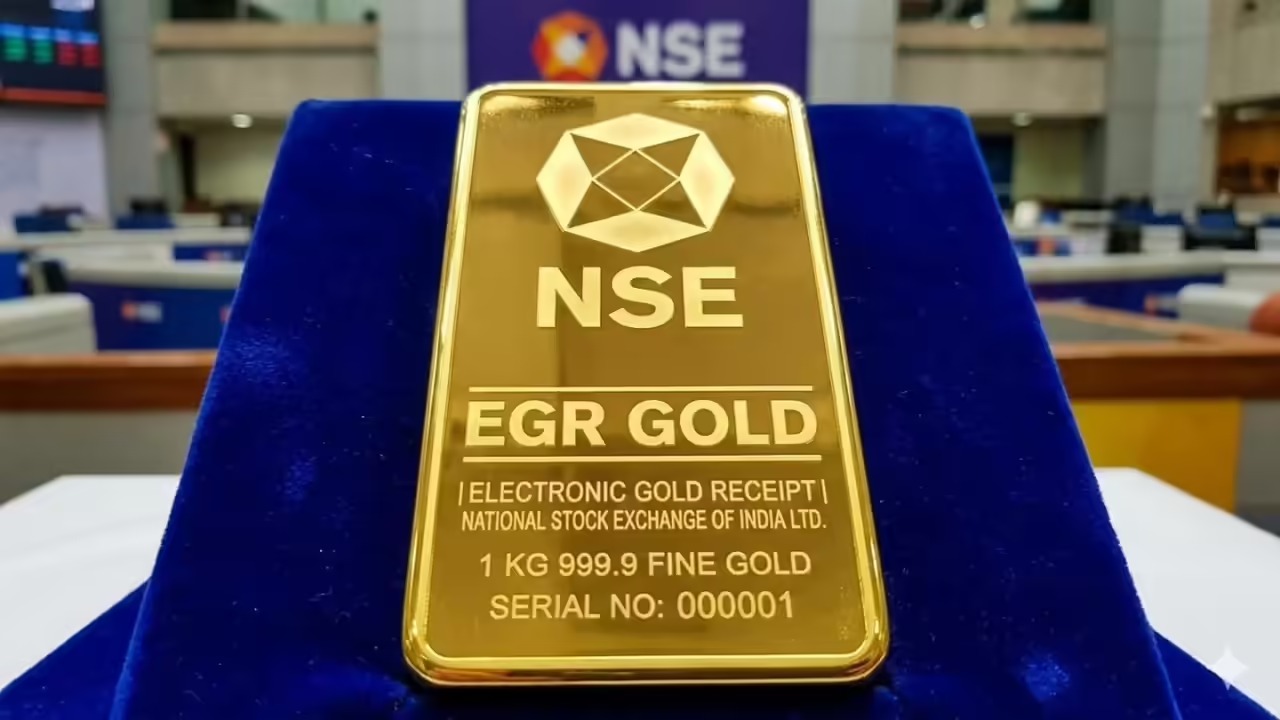
The National Stock Exchange (NSE) launched its Electronic Gold Receipts (EGR) segment in May 2026 to formalize and digitize gold investment in India. EGRs are dematerialized, exchange-traded securities fully backed by physical gold of verified purity stored in SEBI-accredited vaults, allowing investors to trade gold with transparency and ease.
The National Stock Exchange of India has strengthened its Electronic Gold Receipts (EGR) framework, enhancing accessibility and security for gold investors nationwide.
MUMBAI — The National Stock Exchange of India (NSE) is continuing to fortify its Electronic Gold Receipts (EGR) ecosystem, marking a pivotal shift in how India interacts with its most cherished asset. Since launching the EGR segment on May 4, 2026, the exchange has focused on building a regulated, transparent, and efficient pathway for gold investment, effectively bridging the gap between traditional physical gold and modern financial markets.
EGRs are dematerialized securities that represent ownership of physical gold, which is securely stored in SEBI-accredited vaults. By allowing investors to buy, hold, and trade gold electronically through their demat accounts, the NSE aims to formalize the gold market, ensuring standardized purity and reliable price discovery.
Strengthening the Infrastructure
A cornerstone of the NSE’s EGR strategy is the development of a robust vaulting network, which is essential for the creation and extinguishment of these digital receipts. To this end, the NSE has established key collaborations with logistics and vaulting partners to ensure secure, geographically diverse storage for the underlying physical gold.
"The introduction of Electronic Gold Receipts at NSE marks a pivotal evolution in how India interacts with its most cherished asset," said Sriram Krishnan, Chief Business Development Officer (CBDO) at NSE. By leveraging the exchange’s robust technology and liquidity framework, the NSE is democratizing access to gold, enabling investors across the nation to trade with unprecedented transparency and confidence.
The vaulting infrastructure, currently operational in major metropolitan hubs including Mumbai and Ahmedabad, is slated for further expansion to over 120 centers across the country. This widespread presence allows for the seamless conversion of physical gold into a tradable electronic instrument, providing investors with the flexibility to participate in the gold market even in smaller, more affordable denominations.
Formalizing India’s Gold Market
India’s gold market has historically been dominated by physical transactions, often characterized by concerns regarding purity and fragmented pricing. The NSE's EGR segment addresses these long-standing issues by offering:
Standardized Quality: Every EGR is fully backed by physical gold of verified purity.
Seamless Convertibility: Investors can easily convert their digital holdings into physical gold and vice versa.
Financial Inclusion: The digital nature of EGRs allows participation from retail, institutional, and trade participants, fostering deeper integration into the formal financial system.
Since the commencement of live trading on May 18, 2026, the product has seen an encouraging response from market participants, including jewelers, refiners, and asset management firms. The Wealth Company, for instance, has become the first asset management firm to partner with the NSE on this segment, underscoring the growing institutional interest in gold as a financialized asset class.
Why It Matters
For the average investor, the expansion of the EGR ecosystem offers a secure, liquid, and transparent alternative to traditional gold buying. It eliminates the risks associated with theft and storage of physical gold while ensuring that investors have a sovereign-backed, exchange-traded instrument at their disposal. As the NSE continues to scale its vaulting network and infrastructure, the transition from physical gold to digital gold is expected to become an increasingly integral part of India’s investment landscape.
Key Facts at a Glance
Segment Launch: The EGR segment officially launched on May 4, 2026, with live trading commencing on May 18, 2026.
Nature of EGRs: Dematerialized securities fully backed by physical gold stored in SEBI-accredited vaults.
Strategic Goal: To formalize and digitize India’s gold market, improving transparency and price discovery.
Expansion Plan: The vaulting network is expected to grow to 120 centers nationwide.
Frequently Asked Questions (FAQ)
What are Electronic Gold Receipts (EGRs)?
EGRs are dematerialized securities representing physical gold stored in vaults. They allow investors to trade gold on the exchange just like shares.
How do I invest in EGRs?
Investors can buy and sell EGRs through their existing demat accounts on the NSE, providing a seamless digital experience.
Is my investment in EGRs safe?
Yes, each EGR is backed by physical gold stored in SEBI-accredited vaults, ensuring transparency, security, and quality assurance.
Can I convert EGRs into physical gold?
Yes, the system allows for the seamless conversion between digital EGR holdings and physical gold, subject to the exchange's operational framework.
Source: National Stock Exchange of India (NSE) Press Releases, Business Standard, The Newsman of India