Repsol, Toyota, BMW, and Bosch have launched a six-month pilot in Spain to test 100% renewable gasoline in real-world conditions. Using a fleet of 20 vehicles and Bosch’s digital tracking technology, the project aims to prove that current combustion engine cars can decarbonize using existing infrastructure and organic-waste-based fuels.
A six-month trial in Spain demonstrates how existing combustion engine vehicles can operate exclusively on 100% renewable gasoline.
MADRID — A collaborative consortium including Repsol, Toyota Motor Europe, BMW Group, and Bosch has launched a pioneering six-month pilot project in Spain to demonstrate the real-world viability of 100% renewable petrol. The initiative, which commenced in early July 2026, aims to provide tangible evidence that internal combustion engine (ICE) vehicles can be decarbonized effectively using existing infrastructure and fuels derived from organic waste.
Scaling Renewable Fuel Technology
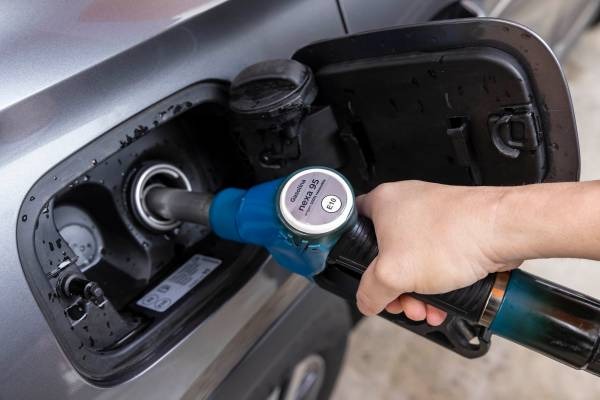
The pilot project features a fleet of approximately 20 Toyota and BMW vehicles powered by Repsol’s "Nexa 95," a 100% renewable gasoline product. Unlike conventional fossil-based fuels, Nexa 95 is produced from organic feedstocks, including used cooking oils and other agricultural or forestry waste.
A critical component of this trial is the integration of Bosch’s digital fuel tracking technology. This system provides verified, real-time data to certify the renewable origin of the fuel, ensuring transparency and accuracy in carbon footprint measurement. By linking the refueling infrastructure directly to the vehicle's performance data, the project seeks to prove that renewable fuels can be deployed at scale without requiring modifications to existing engine designs or fuel distribution networks.
Advancing Technology-Neutral Decarbonization
The collaboration underscores a "technology-neutral" approach to the European transition toward carbon neutrality. By focusing on renewable petrol, the partners aim to offer an immediate, competitive alternative for decarbonizing road transport while leveraging the millions of combustion-powered vehicles currently on the road.
"Technology openness is a key pillar of the BMW Group strategy," said Dr. Stefan Heller, Head of Development of the VEEF (Vehicles running Exclusively on Eligible Fuels) programme at BMW Group. "Our BMW and MINI vehicles as a part of this future-oriented pilot will help to gain valuable data, helping us to offer our global customers the best and most efficient powertrain also in the future."
The initiative leverages Repsol’s industrial capabilities, including its recent technological milestones in producing renewable gasoline at scale within its industrial complexes. The fuel is designed to be fully compatible with current petrol and hybrid engines, offering a significant reduction in net CO2 emissions compared to mineral petrol.
Official Sources
Toyota Motor Europe: Announcement regarding the "Vehicles running Exclusively on Eligible Fuels" (VEEF) programme.
BMW Group: Official release on the real-world potential of renewable gasoline.
Repsol: Data on Nexa 95 production and the transformation of industrial complexes toward a circular economy.
Bosch: Technical details regarding the digital fuel tracking platform used to certify the origin of renewable fuels.
Why It Matters
For consumers, this pilot signals a future where vehicle replacement may not be the only pathway to achieving lower carbon emissions. By validating the use of renewable petrol in existing fleets, the automotive and energy sectors are working to ensure that the transition to sustainable mobility is inclusive, efficient, and capable of utilizing established refueling networks.
Key Facts at a Glance
Duration: Six-month pilot project initiated in July 2026.
Fleet Size: Approximately 20 vehicles from Toyota and BMW.
Fuel Type: Repsol’s Nexa 95, a 100% renewable gasoline made from organic waste.
Tech Integration: Bosch’s digital fuel tracking platform verifies the renewable origin and carbon footprint of the fuel.
Sustainability: Compatible with existing engines and infrastructure, significantly reducing net CO2 emissions.
Frequently Asked Questions (FAQ)
What is 100% renewable gasoline?
It is a fuel produced from organic waste—such as used cooking oils, forest residues, and agricultural waste—that offers a significant reduction in net CO2 emissions compared to conventional fossil-based petrol.
Do I need to modify my car to use this fuel?
No. According to officials, the renewable petrol being tested is fully compatible with existing petrol and hybrid engines, requiring no modifications to the vehicle.
How is the "renewable" status of the fuel verified?
The pilot uses Bosch’s "Digital Fuel Twin" platform, which digitally traces the fuel from its production at the manufacturing plant to its use in the vehicle, ensuring verified origin and emission data.
Why is this pilot significant for the automotive industry?
It demonstrates that existing ICE vehicles can contribute to decarbonization efforts, providing a practical, immediate solution that leverages current refueling infrastructure while Europe shifts toward carbon neutrality.
Source: Toyota Newsroom, BMW Group Press, Repsol Press Releases